

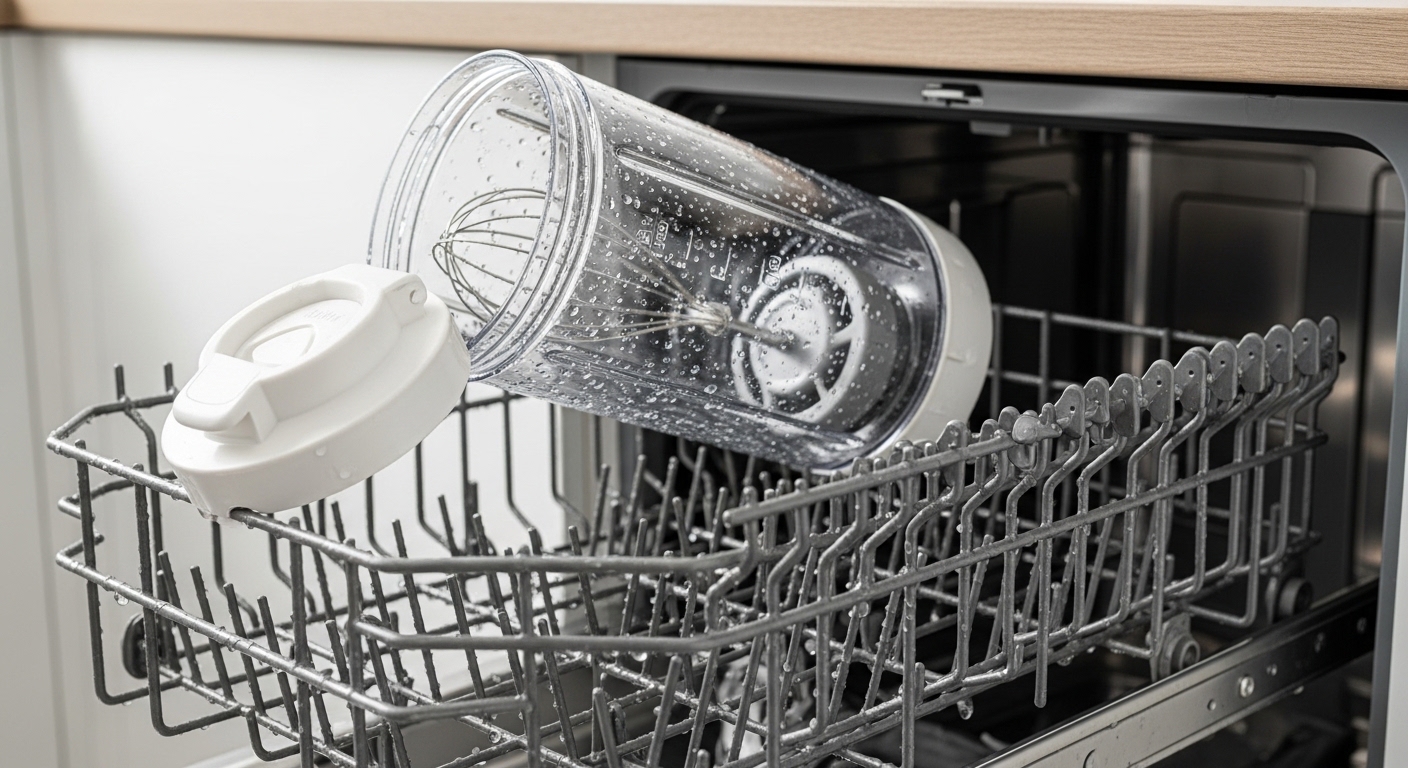
You’ve probably stood there, bottle in hand, wondering if blender bottles are dishwasher safe or if you’re about to ruin it with one lazy decision—and yeah, that tiny hesitation actually makes sense more than you’d think.
Because here’s the thing, these bottles look tough, feel durable, and honestly survive being tossed into gym bags like they owe you money… but dishwashers? That’s a different kinda chaos. Hot water, spinning jets, weird detergent chemicals doing their thing—it’s not exactly gentle spa treatment.
So let’s actually dig into it properly, without the usual robotic answers.
So… Are Blender Bottles Dishwasher Safe or Not?
Short answer, yeah… most blender bottles are dishwasher safe. But—and this is where people mess up—it depends on how you’re using the dishwasher, not just if you’re using it.
Most well-known shaker bottles, especially ones made from BPA-free plastic or stainless steel, are designed to handle dishwasher cleaning. But manufacturers usually say something very specific: top rack only. And that little detail? Not optional, even if it feels like it is.
The bottom rack gets hotter, more aggressive, more… destructive in a quiet, plastic-warping kind of way.
Why Top Rack Matters (More Than You Think)
Let’s break it down in a way that doesn’t sound like a science lecture.
- The heating element in most dishwashers sits at the bottom
- That area gets significantly hotter than the top
- Plastic bottles can warp, melt slightly, or lose shape
- Lids and seals get loose over time if overheated
So yeah, your bottle might survive one cycle on the bottom rack… but after a few rounds, you’ll notice weird stuff happening. The lid won’t snap right. The seal feels off. Suddenly it leaks, and now your protein shake is decorating your bag.
Not ideal.
What About Different Types of Blender Bottles?
Not all blender bottles are built the same, and this is where people kinda assume too much.
Plastic Blender Bottles
Most standard shaker bottles are made from BPA-free plastic. These are generally dishwasher safe, but again, top rack only.
They’re lightweight, easy to clean, and honestly pretty forgiving. But over time, if you keep exposing them to high heat, they can:
- Develop a cloudy look
- Absorb odors (protein powder smell that just won’t leave, ugh)
- Warp slightly
It’s subtle at first, then suddenly it’s not.
Stainless Steel Blender Bottles
These feel premium, and they usually are. Stainless steel bottles are much more resistant to heat, which means they handle dishwashers better overall.
But even here, there’s a small catch.
- The bottle itself? Usually dishwasher safe
- The lid? Often plastic, so still top rack only
Also, repeated dishwasher cycles can dull the exterior finish over time. Doesn’t ruin function, but yeah, it won’t look as shiny and new.
Glass Blender Bottles
Less common, but they exist. And these are technically dishwasher safe… but fragile in a different way.
Glass doesn’t warp, but it can crack if knocked around. Dishwashers aren’t exactly gentle environments.
So while it’s safe, it’s not always the smartest move unless you’re careful.
The Sneaky Part: Lids, Seals, and Mixing Balls
This is where most people don’t even think twice—and that’s kinda the problem.
Blender bottles usually come with:
- Screw-on lids
- Flip caps
- Rubber seals
- Metal mixing balls
Each of these reacts differently in a dishwasher.
Lids and Flip Caps
These are almost always plastic, even if the bottle isn’t. They’re safe on the top rack, but they’re also the first thing to wear out.
High heat can cause:
- Loose hinges
- Warped threads
- Caps that don’t snap shut properly
And once that happens, the whole bottle becomes… kinda useless, honestly.
Rubber Seals
These tiny rings are responsible for preventing leaks, and they’re more sensitive than they look.
Dishwasher heat can:
- Dry them out
- Make them brittle
- Cause slight shrinking
You won’t notice immediately, but after a while, leaks start happening outta nowhere.
Mixing Balls
Usually made of stainless steel, these are totally dishwasher safe. Throw them anywhere, they don’t care.
They’re probably the toughest part of the whole setup.
Dishwasher vs Hand Washing (The Honest Comparison)
Let’s be real for a sec, sometimes you just don’t feel like hand washing. Totally fair.
But here’s how they compare in a practical sense:
| Cleaning Method | Pros | Cons |
|---|---|---|
| Dishwasher | Easy, hands-off, consistent cleaning | Can damage parts over time |
| Hand Washing | Gentle, longer lifespan for bottle | Takes effort, easy to skip |
If you’re using your blender bottle daily (which, let’s be honest, many people do), a mix of both methods kinda works best.
Like, dishwasher during busy days, hand wash when you’ve got the time and energy.
Real-World Tip: Protein Smell is Stubborn
Here’s something nobody tells you properly—protein shakes leave behind a smell that’s… weirdly persistent.
Even after a dishwasher cycle, you might open the bottle and go, “why does it still smell like yesterday?”
That’s because:
- Protein residue sticks to plastic
- Heat can sometimes lock in odors instead of removing them
- Seals and lids trap smells easily
How to Fix That (Actually Works)
Try this occasionally:
- Fill the bottle with warm water
- Add baking soda or vinegar
- Let it sit for 15–30 minutes
- Rinse and wash normally
It’s simple, a bit old-school maybe, but it works better than you’d expect.
Manufacturer Guidelines (What They Quietly Recommend)
Most brands don’t make a big deal out of it, but their care instructions usually say:
- Dishwasher safe (top rack only)
- Do not use high heat drying
- Hand wash recommended for longevity
That last one is kinda interesting, right?
Dishwasher safe… but hand washing is still recommended. It’s like saying, “yeah you can do it, but maybe don’t always.”
Common Mistakes People Make
And yeah, some of these are very, very common.
Throwing Everything on the Bottom Rack
Feels convenient, but it’s basically asking for damage over time.
Using Harsh Detergents
Some detergents are aggressive enough to:
- Fade markings
- Damage plastic surfaces
- Leave behind a chemical smell
Not Disassembling the Bottle
If you’re tossing the bottle in fully assembled, you’re not cleaning it properly.
Water doesn’t reach every part, especially inside lids and seals.
Letting It Sit Dirty
This one’s the worst honestly.
Leaving a used blender bottle for hours (or overnight… yeah, we’ve all done it) makes cleaning way harder later. Smells get stronger, residue sticks more.
A Slightly Unexpected Thought
It’s funny, because blender bottles are designed for convenience, yet cleaning them properly requires just a tiny bit of intention.
Not effort exactly, just… awareness.
Like knowing when to use the dishwasher and when to not push your luck with it.
Final Answer (Without Overcomplicating It)
So, are blender bottles dishwasher safe?
Yeah, most of them are. But that doesn’t mean you should treat them like indestructible objects.
Use the top rack, avoid excessive heat, take apart the pieces when cleaning, and maybe—just sometimes—wash it by hand like you actually care about keeping it longer than a few months.
Because the truth is, these bottles don’t usually fail suddenly. They slowly stop working right, and by the time you notice, it’s already kinda too late.
And if you’ve ever had a shaker bottle leak in your bag, you already know… that’s not an experience you wanna repeat.

Jamesmathew is an expert Amazon affiliate writer, helping readers discover top products, smart deals, and practical buying guides through honest reviews and insightful content.