

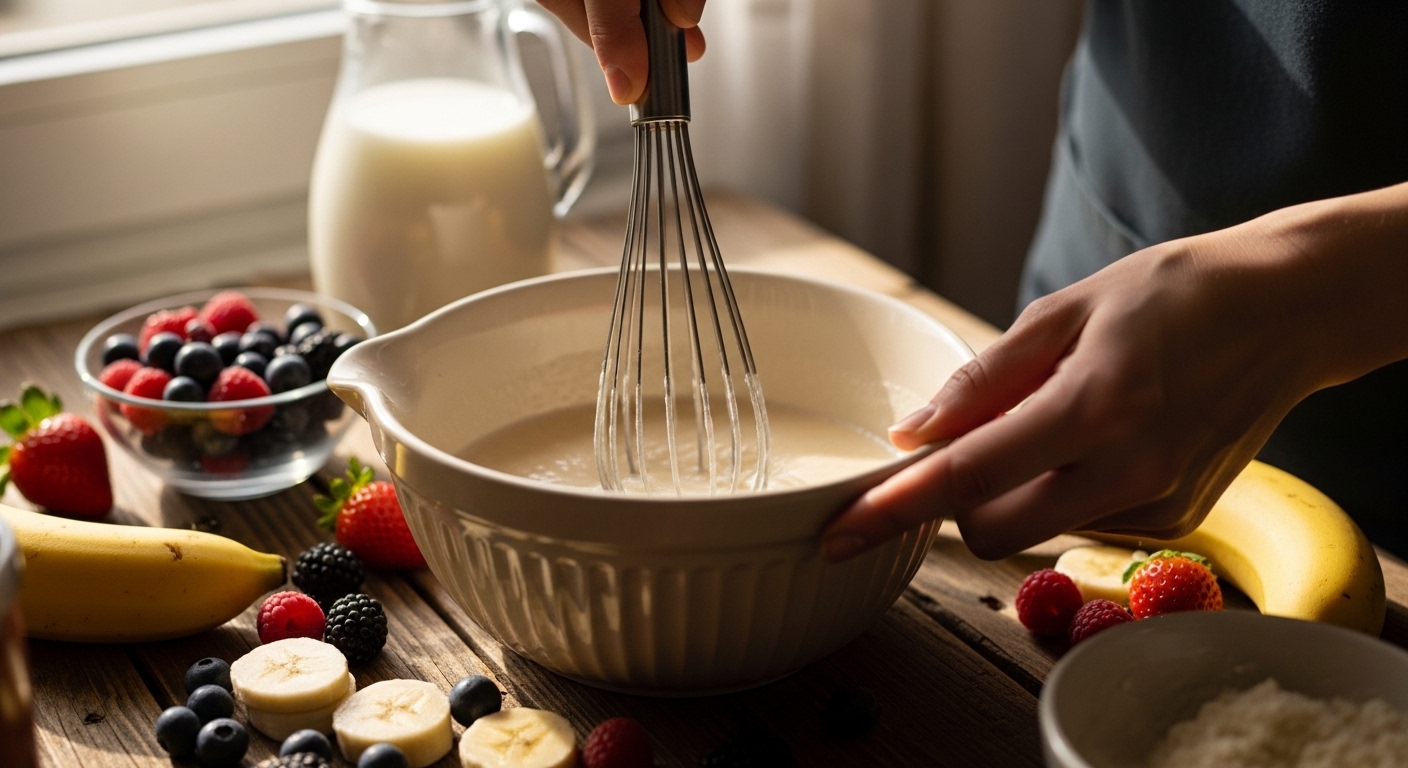
You’re standing there wondering how to blend without a blender, maybe staring at some fruits that are slowly judging you for not owning the one machine that would’ve made this whole thing easy, and yeah, it feels slightly unfair but also kinda fixable if you squint at it the right way.
The funny part is, people were blending things way before electric blenders existed, like centuries of soups, sauces, and mashed whatever happened without a single button press, so you’re not stuck—you’re just temporarily inconvenienced in a mildly dramatic way.
Why You Might Need to Blend Without a Blender
Sometimes the blender breaks, sometimes you never bought one, and sometimes you’re just in a place where appliances don’t exist the way you wish they did. You might be traveling, living in a dorm, or just trying to not wake the whole house at 6am making a smoothie that sounds like construction work.
Also, not everything actually needs a blender, which is a weird realization because we kinda assume it does. A lot of foods can be broken down manually with a bit of patience, and honestly, sometimes the texture comes out more… human? Not overly smooth in that suspiciously perfect way.
“Before modern appliances, cooks relied on manual tools and technique to achieve desired textures.” — Culinary Institute of America
That line sounds fancy, but it basically means: people used their hands and got on with it.
The Core Idea Behind Blending (Without Overthinking It)
Blending is just breaking stuff down until it becomes smooth enough to drink or eat. That’s it. You don’t need spinning blades specifically—you just need force, repetition, and something that helps mash or mix.
Think of it like this:
- Crushing = breaking structure
- Mixing = spreading evenly
- Softening = making it easier to crush
Once you get those three happening, you’re basically blending, just… slower and more personal.
Best Methods to Blend Without a Blender
1. Using a Fork or Spoon (Yes, Really)
This sounds almost insulting in its simplicity, but it works more often than you’d think. If your ingredients are soft—like bananas, avocados, or boiled vegetables—you can just mash them directly.
How to do it:
- Place food in a bowl
- Press down repeatedly with a fork
- Stir and press again until smooth-ish
It won’t be silky like a machine blend, but it gets surprisingly close if you keep going a bit longer than feels necessary.
Best for:
- Banana smoothies (start with mashed banana, then add milk and stir aggressively)
- Guacamole
- Baby food
There’s something oddly satisfying about doing it this way, even if your wrist starts complaining halfway through.
2. Mortar and Pestle (The Ancient MVP)
If you have one of these, you’re basically holding history in your hands. This tool was literally made for grinding and blending before electricity existed.
Steps:
- Add small portions of your ingredients
- Press and twist with the pestle
- Repeat until smooth
The circular motion kinda mimics a blender blade, just slower and quieter.
Best for:
- Sauces like pesto
- Spice pastes
- Soft fruits
Fun fact that feels random but isn’t: mortar and pestle use dates back thousands of years across multiple cultures, which means you’re not improvising—you’re participating in tradition, sorta.
3. Jar + Shake Method
This one feels a bit chaotic but works if you commit to it. You basically turn a jar into a mini blending system.
What you need:
- A sturdy jar with a tight lid
- Pre-softened ingredients
How it works:
- Chop ingredients into small pieces
- Add liquid (milk, water, juice)
- Seal tightly
- Shake like you’re mad at it
Then open, mash with a spoon, close again, shake again. Repeat until it looks like something you’d drink without questioning life.
Best for:
- Protein shakes
- Light smoothies
- Salad dressings
Not elegant, but honestly effective in a very “we’ll make it work” kind of way.
4. Grater + Mixing Combo
This one is underrated and weirdly clever. Instead of blending, you reduce size first, then mix.
Steps:
- Grate solid ingredients (like apples, carrots, even cheese)
- Add liquid or softer components
- Stir thoroughly
Grating breaks things down so much that blending becomes almost unnecessary.
Best for:
- Fruit mixes
- Vegetable purees
- Smooth-ish sauces
It’s like pre-blending before blending, except you skip the blender entirely, which is the whole point anyway.
5. Whisking for Liquids
If your goal is mixing rather than fully pureeing, a whisk can do a decent job.
How to use:
- Combine ingredients in a bowl
- Whisk rapidly in one direction
- Occasionally change direction (for stubborn bits)
It won’t crush solid chunks, but it smooths liquids nicely.
Best for:
- Smoothies with already soft ingredients
- Milk-based drinks
- Eggs, obviously
Your arm might get tired, but hey, free workout you didn’t ask for.
6. Rolling Pin Smash Technique
This one sounds aggressive because it kinda is.
Steps:
- Place ingredients in a sealed plastic bag
- Lay it flat on a surface
- Roll or press with a rolling pin
You’re basically flattening everything into submission.
Best for:
- Soft fruits
- Cooked vegetables
- Ice crushing (carefully tho)
It’s messy if the bag leaks, so maybe double-bag it unless you enjoy chaos.
A Quick Comparison Table (Because Why Not)
| Method | Effort Level | Texture Result | Best Use Case |
|---|---|---|---|
| Fork/Spoon | Low | Slightly chunky | Soft foods |
| Mortar & Pestle | Medium | Smooth-ish | Pastes and sauces |
| Jar + Shake | Medium | Mixed consistency | Drinks and light blends |
| Grater + Mix | Low | Fine texture | Fruits and veggies |
| Whisk | Medium | Smooth liquids | Beverages |
| Rolling Pin | Medium | Crushed | Fruits, cooked items |
You’ll notice none of these are perfect replacements, but all of them kinda get you there in their own slightly imperfect ways.
Tips to Make Blending Without a Blender Easier
This is where things start feeling less frustrating and more like you know what you’re doing.
Soften Ingredients First
Hard foods are the enemy here. If you can cook, soak, or microwave something briefly, do it.
- Boil carrots before mashing
- Let frozen fruits thaw
- Use ripe bananas instead of firm ones
Softness reduces effort, which reduces regret.
Cut Everything Smaller
The smaller the pieces, the easier they break down. This sounds obvious, but people skip it and then wonder why it’s taking forever.
Add Liquid Gradually
Liquid helps everything move and mix. Too little, and it’s dry and stubborn. Too much, and it’s… weirdly soupy.
Start small, then adjust.
Be Patient (Annoyingly Important)
Manual blending takes longer. There’s no way around that unless you invent something mid-process, which is unlikely.
But the upside is you control the texture more. Slightly chunky smoothies aren’t illegal, despite what Instagram suggests.
Real-Life Example: Making a Smoothie Without a Blender
Let’s say you want a banana milk smoothie.
What you do:
- Mash one ripe banana with a fork until very soft
- Add a bit of milk
- Stir until it loosens
- Add more milk gradually
- Whisk or shake in a jar
You end up with something drinkable, slightly textured, but still very much a smoothie. Not perfect, but definitely not a failure.
According to nutrition data, bananas are about 75% water and naturally soft when ripe, which is why they’re one of the easiest fruits to “blend” manually.
Common Mistakes People Make
You might already be doing one of these without realizing, which is mildly annoying but fixable.
- Trying to mash hard foods directly
- Not adding enough liquid
- Giving up too early
- Using tools that aren’t suited for the job
Also, expecting blender-level smoothness is setting yourself up for disappointment. Adjust expectations slightly and everything feels more successful.
When You Probably Actually Need a Blender
Let’s be real for a second. Some things just don’t work well without one.
- Ice-heavy drinks
- Nut butters
- Very fibrous vegetables (like raw kale)
If you’re doing those often, it might be worth investing in a blender eventually. But for occasional use, these manual methods hold up better than you’d think.
Final Thoughts That Feel Slightly Unfinished On Purpose
Figuring out how to blend without a blender isn’t really about replacing the machine completely, it’s more about realizing you’re not stuck just because one tool is missing, and honestly, that realization sticks longer than any perfectly smooth smoothie ever will.
You’ll probably mess it up the first time, maybe even the second, and it might look a bit off, taste slightly different, or feel like more effort than it should’ve been, but it works, and that’s kinda the whole point even if it doesn’t feel impressive at first.

Jamesmathew is an expert Amazon affiliate writer, helping readers discover top products, smart deals, and practical buying guides through honest reviews and insightful content.