

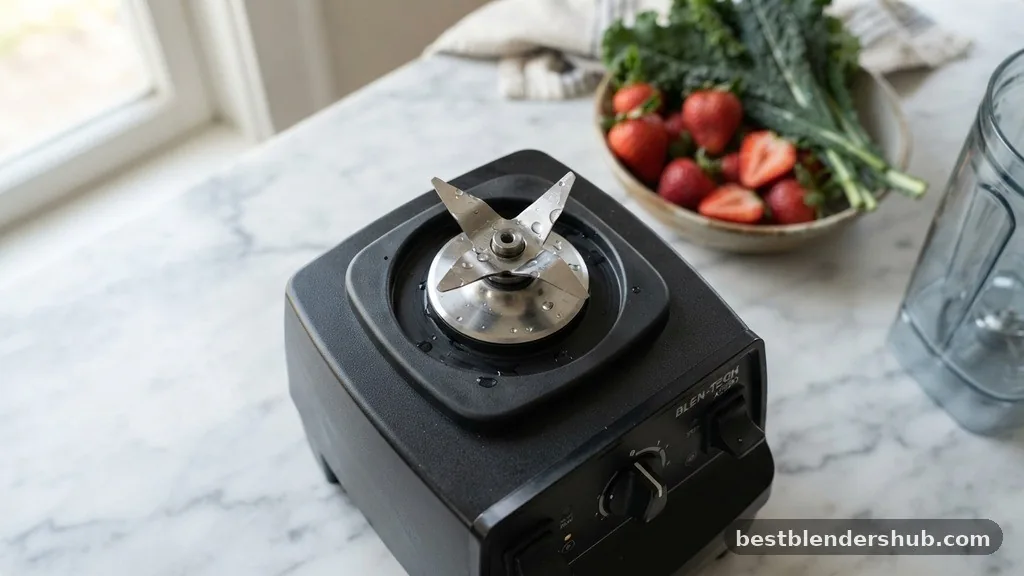
Mastering the art of crafting the perfect drink starts with understanding how to make smoothies in a blender effectively. While it might seem as simple as tossing ingredients into a jar, achieving that ideal, velvety consistency requires a specific approach to layering and processing. Whether you are aiming for a quick breakfast or a post-workout recovery drink, the quality of your output depends on your technique.
By balancing your ingredients and utilizing your machine’s settings correctly, you can transform basic produce into a nutrient-dense meal in under two minutes. This approach ensures every sip is as delicious as it is healthy.
Understanding the Mechanics of Your Blender
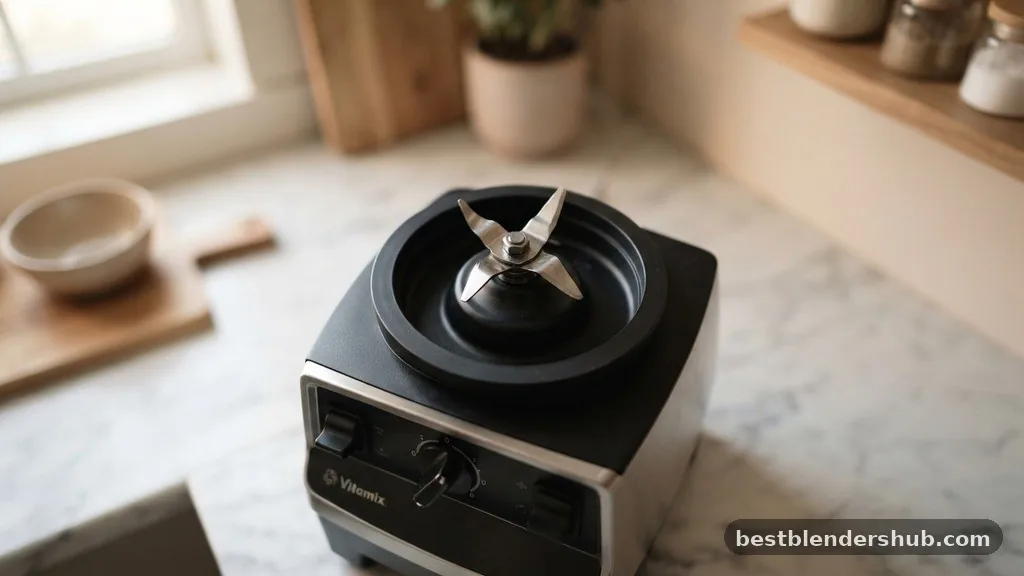
Every machine functions differently, but the fundamental physics of liquid motion remain constant. When you learn how to make smoothies in a blender, you quickly realize that the base is your best friend. Always pour your liquids in first.
This creates a vortex that pulls the solid components down toward the blades. If you add heavy items first, they tend to sit on top of the blades, causing the motor to struggle and leading to uneven blending.
High-speed blenders are particularly effective at breaking down fibrous stalks and tough seeds, but even standard models handle tasks well if you prep your ingredients properly. Start on a low speed to break up large chunks, then gradually increase to high.
This transition helps maintain the liquid-to-solid ratio necessary for a smooth finish. If your machine has a pulse function, use it for short bursts to redistribute ingredients that might have settled near the top of the jar.
Optimizing the Liquid-to-Solid Ratio
The secret to a perfect smoothie texture is the balance between your base and your bulk. If your drink is too thick, it won’t circulate; if it’s too thin, it feels watery.
A general rule of thumb is to start with one cup of liquid for every two cups of solid ingredients. You can always add more liquid later, but you cannot easily thicken a drink that has already been blended.
Common liquids to use include:
- Water or coconut water for a light, hydrating profile.
- Almond milk, soy milk, or oat milk for a creamier mouthfeel.
- Cold-pressed fruit juices for an extra burst of natural sweetness.
- Chilled green tea to add antioxidants without heavy calories.
Strategic Ingredient Layering
How you stack your blender jar dictates how fast your machine works. By following a specific order, you reduce the strain on the motor and ensure everything gets pulverized. The weight of the ingredients plays a major role in the emulsification process.
| Layer Order | Ingredient Type | Why It Matters |
|---|---|---|
| 1 (Bottom) | Liquids | Creates the initial vortex to pull other items down. |
| 2 | Powders/Seeds | Protein powder or chia seeds dissolve faster in liquid. |
| 3 | Fresh Produce | Softer fruits and leafy greens blend easily once base is set. |
| 4 (Top) | Frozen Items | Frozen fruit and ice cubes act as a weight to push solids down. |
Incorporating Nutrient-Dense Additions
To elevate your drink from a simple fruit slush to a meal replacement, focus on nutrient density. Adding leafy greens like spinach or kale is an easy way to boost your vitamin intake without significantly altering the flavor. Because these greens have a mild profile, they pair beautifully with sweeter fruits like bananas or mangoes.
If you want a thicker, more satisfying beverage, Greek yogurt is an excellent addition. It provides a probiotic boost and a creamy consistency that mimics a milkshake.
For those who need sustained energy, healthy fats like nut butters or seeds provide slow-burning fuel. Always add these denser items toward the middle of the blending process to ensure they are fully incorporated into the mixture.
Addressing Common Blending Issues
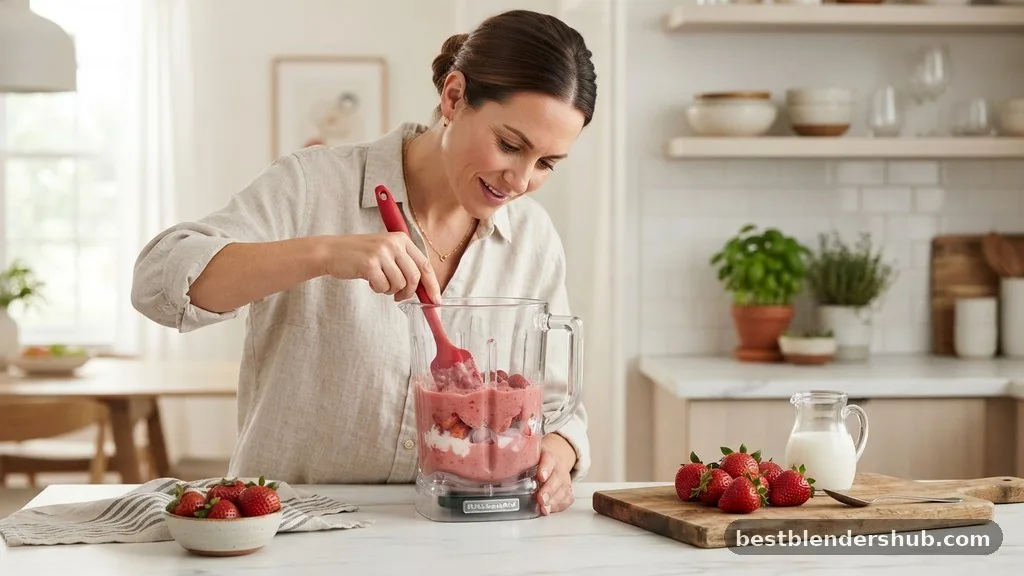
Even experienced smoothie makers encounter problems like air pockets or chunks of fruit that refuse to disappear. If your blender seems to be running but the ingredients aren’t moving, stop the machine immediately.
Use a tamper if your blender came with one, or remove the lid and stir the contents with a long spoon. Never force a spoon into the blades while the power is on.
If you find that your drink is consistently gritty, you might need to adjust your blender speed settings. Some ingredients, especially frozen ones, require a higher velocity to achieve a truly smooth consistency.
If you are using a standard blender, consider thawing your frozen fruit for five minutes before blending. This minor change makes a massive difference in the final texture, especially when dealing with berries that have tough skins.
The Importance of Proper Maintenance
Your equipment needs care to perform at its peak. Blender maintenance is often overlooked, but it is critical for longevity. After every use, clean the jar immediately.
If you let residue dry on the blades, it becomes difficult to remove and can dull the edges over time. A quick, effective cleaning method involves filling the jar halfway with warm water and a drop of dish soap, then running the machine on high for thirty seconds.
Check your blades regularly for signs of wear or dullness. If you notice it takes significantly longer to blend common ingredients than it used to, your blades may need sharpening or replacement.
Additionally, ensure the gasket around the blade assembly is clean and free of debris. A leaking gasket can lead to liquid entering the motor base, which is the most common cause of permanent blender failure.
Solving Topical Gaps: Blending Techniques for Specific Ingredients
Many beginners struggle with specific ingredients that don’t seem to blend well. For instance, leafy greens often leave behind stringy bits if not processed correctly. To solve this, blend your greens with the liquid portion of your recipe first.
Once you have a vibrant, green liquid base, add the rest of your fruits and powders. This ensures the greens are completely liquefied before they encounter the heavier items.
Another common issue is the inclusion of fibrous ingredients like ginger or fresh turmeric. These items are notoriously difficult to incorporate evenly. To avoid biting into a concentrated chunk of ginger, grate it finely before adding it to the jar.
Similarly, when using seeds like flax or chia, grind them into a powder first if your blender isn’t powerful enough to crack the shells. This ensures you actually absorb the nutrients contained within the seeds rather than having them pass through your system whole.
Achieving Consistent Results Every Time
Consistency is built on habit. Once you find a ratio of liquid, fruit, and thickener that you enjoy, stick to it as your foundation.
You can experiment with different flavor profiles, but keep the structural ratios the same. For example, if you swap strawberries for blueberries, the water content might change slightly, so be prepared to add a splash more liquid if the mixture looks too thick.
Always taste your creation before pouring it into a glass. If it lacks sweetness, a small amount of honey or a pitted date can provide a natural lift.
If it feels too tart, add a splash more of your liquid base or a bit of yogurt. By treating the process as an iterative experiment, you will eventually develop an intuitive sense for how to make smoothies in a blender that suit your personal palate perfectly.
Frequently Asked Questions
Is it better to add milk or water to a smoothie?
Milk provides a creamier texture and extra protein, while water keeps the drink light and low-calorie.
How do I stop my smoothie from being too thin?
Add more frozen fruit, a dollop of Greek yogurt, or half a banana to increase the thickness naturally.
Can I make a smoothie without a high-speed blender?
Yes, simply chop ingredients into smaller pieces and blend in shorter, controlled bursts for a smooth finish.
Do I really need to put liquids in the blender first?
Yes, adding liquids first creates the necessary vortex to pull solid ingredients down toward the spinning blades.
How do I keep my smoothie from tasting like just greens?
Balance leafy greens with sweet fruits like pineapple, mango, or banana to mask any bitter vegetable notes.
Should I use ice cubes in my smoothie?
Only if your blender is powerful enough; otherwise, use frozen fruit to chill your drink without diluting it.
How long should I blend my ingredients?
Usually, 45 to 60 seconds on high speed is sufficient to reach a perfectly smooth and uniform consistency.
Final Thoughts on Mastering Your Blender
Learning how to make smoothies in a blender is a straightforward skill that pays dividends in your daily nutrition. By focusing on the order of operations—liquids first, solids last—and respecting the power of your machine, you can create professional-quality drinks right in your own kitchen. Whether you are experimenting with new superfood combinations or sticking to your favorite fruit blends, the key remains in the balance of your ingredients and the maintenance of your tools.
Start with small batches to test your preferences and adjust your liquid-to-solid ratios as you go. With a little practice, you will find that preparing these healthy drinks becomes a seamless part of your routine, providing a quick, satisfying way to fuel your day.

Jamesmathew is an expert Amazon affiliate writer, helping readers discover top products, smart deals, and practical buying guides through honest reviews and insightful content.