

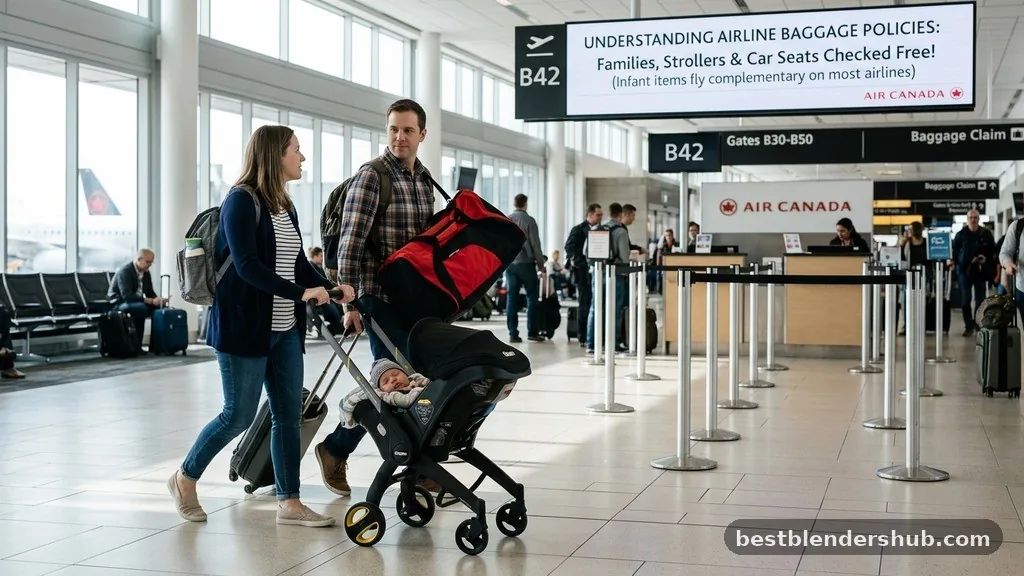
Navigating the airport with young children requires careful planning, especially when you are figuring out how to fly with car seat and stroller combinations. Most airlines allow parents to bring these essential items at no extra cost, but the logistics of getting them through the terminal can feel overwhelming. Whether you are checking gear at the ticket counter or utilizing the gate check process, having a clear plan reduces stress.
By understanding specific airline policies and packing your equipment effectively, you can move through the airport with confidence. Mastering these steps ensures your family arrives at the destination with all your necessary toddler travel gear intact and ready for use.
Understanding Airline Baggage Policies for Families
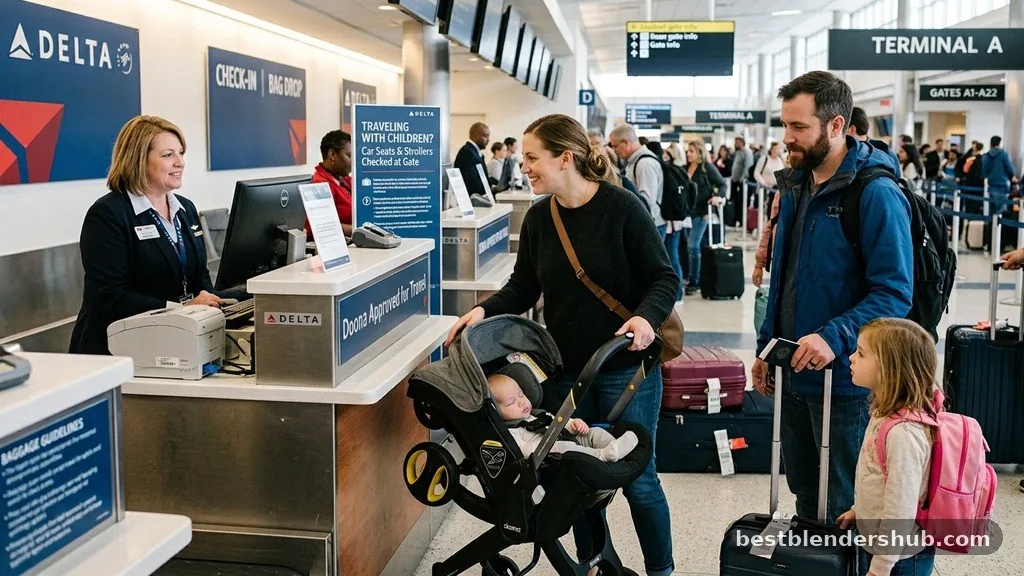
Most major carriers classify child safety equipment as essential, meaning you usually don’t have to worry about standard airline baggage fees for these items. Policies differ slightly between carriers, so always verify the specifics on the airline’s official website before heading to the airport. Generally, you can bring one stroller and one car seat per child without it counting toward your standard carry-on allowance.
When you arrive at the airport, you have two primary choices for your equipment: checking it at the main ticket counter or taking it through the terminal to the gate. Checking items at the counter means you won’t have to lug them through security, but you risk the gear being handled roughly by baggage crews. Gate checking allows you to keep your child in the stroller or car seat until the very last moment, which is often a lifesaver during long waits or layovers.
Navigating the TSA Security Checkpoint
Passing through a TSA security checkpoint with bulky gear requires patience and a bit of organization. You must send your car seat, stroller, and any associated bags through the X-ray machine. If your stroller is too large to fit through the scanner, the security officers will perform a manual inspection.
Remove your child from the stroller and the car seat before placing them on the belt. While it might be tempting to leave them strapped in, safety regulations require all items to be screened individually.
If you are traveling alone with a baby, ask an agent for assistance; they are usually willing to help manage the gear while you focus on your child. Keep your boarding pass and identification easily accessible, as you will need them multiple times throughout the process.
Gate Check vs. Checked Baggage
Choosing between gate check and checked baggage depends on your travel style and the size of your equipment. A gate check tag is obtained at the gate agent’s desk, and you leave your items at the end of the jet bridge right before boarding the plane. This process is generally free and ensures your gear is waiting for you as soon as you deplane.
Checked baggage, on the other hand, is handed over at the check-in desk when you drop off your suitcases. This is often the better choice if you have a bulky gear setup, such as a full-sized stroller wagon or a heavy-duty travel system that is difficult to navigate through the terminal. If you choose this route, always use a durable travel bag to protect your equipment from damage, grease, and dirt during transit.
| Method | Best For | Pros | Cons |
|---|---|---|---|
| Gate Check | Smaller strollers, infant car seat | Immediate access upon arrival | Must carry through terminal |
| Checked Baggage | Stroller wagon, heavy seats | Hands-free navigation | Risk of damage or delays |
Selecting the Right Equipment for Air Travel
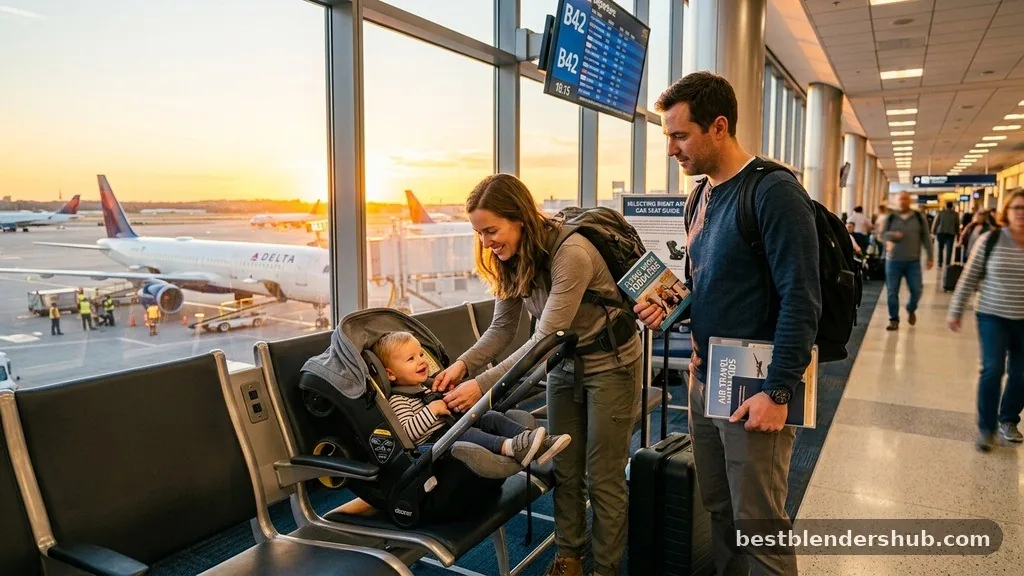
Traveling with heavy or complex equipment turns a simple trip into a logistical nightmare. Many experienced parents opt for a lightweight stroller umbrella that folds quickly and fits into tight spaces. If you prefer using your primary stroller, ensure it has a simple one-handed fold mechanism, which is vital when you are holding a baby in one arm.
An FAA-approved car seat is a requirement if you plan on using the seat in an airplane cabin. Check the label on the bottom of the seat to confirm it meets these safety standards. Even if you aren’t planning to use the seat on the plane, ensuring it is FAA-approved provides peace of mind if you ever need to use it during an emergency or unexpected flight change.
Protecting Your Gear with Travel Bags
Investing in a high-quality travel bag is one of the smartest decisions you can make to protect your investment. Airlines treat strollers and car seats as checked luggage, which means they are often tossed around in cargo holds. A padded bag provides a layer of protection against scratches and broken plastic components.
Look for bags that feature reinforced handles and heavy-duty zippers. Some parents even choose to stuff extra diapers, blankets, or soft clothing around the car seat inside the bag to provide additional cushioning.
This serves a dual purpose: it protects the seat and saves precious space in your primary luggage. Label your bags clearly with your contact information, just in case they are separated from your party.
Addressing Unique Travel Scenarios
Sometimes, standard advice doesn’t cover every situation, especially when dealing with specific types of equipment or unique travel needs. Here are some solutions for common, more complex scenarios:
- Stroller wagons: These are often treated as oversized items. Check your airline’s specific policy, as some may require you to check them at the oversized item claim area rather than the gate.
- International flights: Regulations can vary significantly abroad. Always verify if your destination country has specific safety standards for car seats, as they may differ from those in the United States.
- Connecting flights: If you have a tight connection, gate checking is safer than checking your gear through to your final destination, as it eliminates the risk of your equipment failing to make the transfer.
- Rental options: If you want to avoid the hassle entirely, look into destination-based rental services that provide car seats and strollers upon arrival.
Topical Gaps and Practical Tips
Many parents worry about whether they can take both a car seat and a stroller on a plane simultaneously. The answer is yes, most airlines allow both items for free, but you must be prepared to manage them during boarding.
If you are flying solo, consider wearing your baby in a carrier and gate-checking both the stroller and the car seat. This keeps your hands free to manage your carry-on bags and documents.
Another common concern is what happens if your equipment is damaged. Always inspect your gear as soon as you retrieve it from the jet bridge or baggage claim.
If you notice a broken wheel or a cracked frame, report it to the airline desk immediately before leaving the airport. Documenting the damage with photos and filing a claim on the spot is essential for getting the airline to cover repairs or replacements.
FAQ
Can I take both a car seat and a stroller on a plane?
Yes, most airlines allow you to bring both items for free as part of your child’s travel allowance.
Is it free to fly with a car seat and stroller?
Yes, these items are typically exempt from standard baggage fees, though you should always confirm with your specific airline.
Should I gate check or check my gear at the counter?
Gate checking is ideal for quick access, while checking at the counter is better for heavy or bulky gear.
How do I pass through TSA with a car seat?
You must remove your child from the seat and place the car seat through the X-ray machine for screening.
What if my stroller is too big for the security scanner?
TSA agents will perform a manual inspection of the stroller if it does not fit through the X-ray machine.
Do I need an FAA-approved car seat?
Yes, if you intend to use the car seat in the aircraft cabin, it must have an FAA-approved sticker.
Where do I pick up my gate-checked items?
Gate-checked items are usually returned to you on the jet bridge immediately after you exit the aircraft door.
Final Thoughts
Successfully managing your child’s mobility gear requires a blend of preparation and flexibility. By familiarizing yourself with your specific airline’s policies and choosing the right storage solutions, you turn a daunting task into a manageable part of your journey. Remember that while flying with car seat and stroller combinations presents challenges, thousands of parents do it every single day.
Taking a few extra minutes to pack correctly and organize your gear before arriving at the terminal pays off when you are navigating the airport. Stay patient, keep your documents ready, and don’t hesitate to ask airline staff for help if you feel overwhelmed. With these strategies in your toolkit, you are ready to focus on the joy of your family trip rather than the stress of the travel process.

Jamesmathew is an expert Amazon affiliate writer, helping readers discover top products, smart deals, and practical buying guides through honest reviews and insightful content.