


Determining at what age a baby can sit in a stroller safely is a common concern for new parents who are eager to get out and explore the world. While the convenience of a modern stroller is undeniable, your child’s physical development must dictate when they transition from a flat, supported position to a more upright one. Because every infant develops at a slightly different pace, there isn’t a single universal date on the calendar.
Instead, you need to watch for specific physical cues and milestones that indicate your baby is ready to sit up. Understanding these signs ensures you prioritize comfort and safety during your daily outings.
Understanding Developmental Milestones for Stroller Use
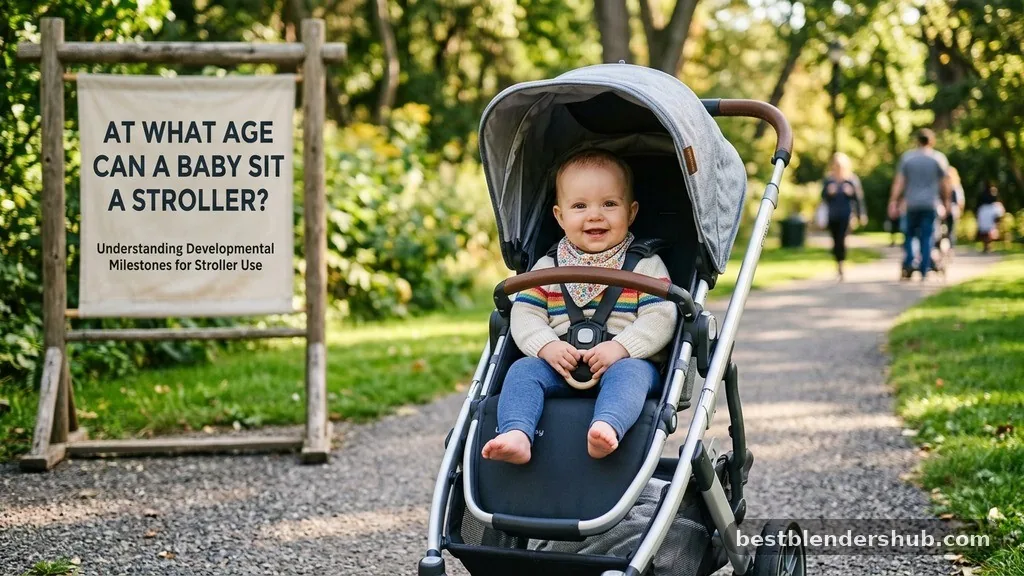
The primary indicator for moving your child into an upright stroller seat is their physical ability to support their own head and torso. Most pediatricians suggest that infants typically develop the necessary neck control and torso stability between four and six months of age.
Before this point, a baby’s muscles are not strong enough to handle the vibrations and sudden movements of a moving stroller while in a seated position. If you place a baby who lacks this strength into an upright seat, they may slump over, which can compromise their airway and cause discomfort.
Developmental milestones are not just suggestions; they are markers of your child’s musculoskeletal development. When your baby can hold their head steady without wobbling for extended periods, they are signaling that their neck muscles are maturing. Similarly, being able to sit up with minimal support is a sign that their core is ready for the transition.
Rushing this process can lead to unnecessary strain on their developing spine. Always prioritize their physical readiness over the convenience of a specific piece of gear.
The Importance of Proper Recline Settings
If you are wondering at what age a baby can sit in a stroller, it is helpful to remember that “sitting” doesn’t have to be vertical. Most high-quality strollers offer a full recline feature designed specifically for infants who cannot yet hold themselves up.
Using the reclined position allows you to use the main seat much earlier, provided the stroller is rated for newborns. This setup keeps the baby in a safe, lying-down orientation while still utilizing the stroller’s frame.
When the seat is fully reclined, you effectively mimic the support of a bed. This protects the baby’s neck and prevents their head from flopping forward. As they grow and their muscle tone improves, you can gradually adjust the seat to a semi-reclined position before finally moving to the full upright position.
This incremental approach is the safest way to transition. It allows your baby to build stamina and strength in their core while ensuring they remain secure throughout the ride.
Safety Features and Equipment Considerations
Safety standards for strollers are rigorous, but they only work if the equipment is used correctly. The most critical safety component is the five-point harness. This restraint system prevents the baby from sliding out of the seat or slumping to one side, even if they are in a reclined position.
Never skip using the harness, even for short walks around the neighborhood. It is the single most effective way to keep your child secure as they transition into sitting.
Many parents wonder about the role of accessories like a newborn insert. These inserts are designed to provide extra padding around the head and shoulders, filling the gaps in a seat that might otherwise be too large for a small infant. They are particularly useful if your baby is on the smaller side or if your stroller seat lacks sufficient side-to-side support.
When using an insert, ensure that it does not interfere with the harness straps. The straps must fit snugly against the baby’s body to be effective.
Comparing Stroller Configurations for Infants

Different stroller setups offer varying levels of support, and choosing the right one depends on your baby’s age and stage. The following table provides a breakdown of common stroller configurations and their suitability for different developmental stages.
| Configuration | Best For | Key Safety Feature |
|---|---|---|
| Infant Car Seat | Newborns to 6 months | Click-in secure attachment |
| Bassinet Attachment | Newborns to 4 months | Flat, ergonomic surface |
| Full Recline Seat | 3 months to 6 months | Five-point harness |
| Upright Stroller Seat | 6 months and older | Core and head control |
Addressing Common Gaps in Stroller Safety Knowledge
Many parents search for specific answers regarding “at what age can a baby sit in a stroller” without considering the nuance of terrain. Even if your baby has the neck control to sit upright, the type of ground you walk on matters significantly.
Pushing a stroller over bumpy grass or uneven pavement creates jarring movements that can be difficult for a young baby’s neck to absorb. If you are walking on uneven terrain, consider keeping the seat in a slightly reclined position for longer, even if your baby is technically old enough to sit upright.
Another frequently overlooked factor is the duration of the walk. A baby might have the strength to sit up for ten minutes, but they may tire after thirty. Watch for signs of fatigue, such as your baby trying to lean to the side or crying when the stroller is in an upright position.
If you notice these cues, recline the seat immediately. There is no shame in returning to a reclined position if your child is clearly struggling to maintain their posture. It is better to prioritize comfort and safety over an upright view of the world.
Practical Tips for a Smooth Transition
When you decide it is time to try the upright position, start with short, controlled walks. Testing the transition on a smooth surface, like a paved park path, allows you to observe how your baby handles the change.
If they seem comfortable and remain upright without slumping, you can gradually increase the duration of your trips. Always keep an eye on them; frequent checks are a standard part of responsible stroller use.
* Ensure the five-point harness is tightened so no more than two fingers fit between the strap and the baby.
* Check that the stroller seat fabric is breathable to prevent overheating during warmer months.
* Avoid hanging heavy bags on the handles, as this can make the stroller unstable and prone to tipping.
* Always engage the parking brake whenever the stroller is stationary, even on flat ground.
* Keep the canopy extended to protect your baby from direct sunlight and wind exposure.
Consulting with Professionals
If your baby was born prematurely or has specific medical needs related to their development, it is essential to consult with your pediatrician or a physical therapist before moving them to an upright stroller seat. These professionals can assess your child’s specific musculoskeletal development and provide guidance tailored to their needs.
They may recommend specific supports or suggest waiting longer before allowing them to sit upright. Following professional advice is always the safest course of action when you have concerns about your infant’s physical readiness.
Common Questions About Stroller Readiness
Can I put a 3-month-old in a standard stroller seat?
Most standard seats are not suitable for a 3-month-old unless they offer a full recline feature for safety.
When can a baby sit in a front-facing stroller?
Most babies can face forward once they have sufficient torso stability, typically around six months of age or older.
Is a car seat safer than a stroller seat for a newborn?
Yes, an infant car seat provides better head and neck support for newborns than a standard, non-reclining stroller seat.
Can my 4-month-old sit upright in their stroller?
Only if they have strong neck control and can sit with minimal support, though a slight recline is safer.
What is the purpose of a bassinet attachment?
A bassinet attachment provides a completely flat surface, which is ideal for newborns to lie down and rest comfortably.
Are there risks to letting a baby sit too early?
Yes, sitting too early can strain a baby’s neck and spine if they lack the required muscle strength and control.
How do I know if the stroller seat is safe for my baby?
Check the manufacturer’s manual for age and weight requirements and ensure the five-point harness fits the baby securely.
The journey of determining at what age can a baby sit in a stroller safely is a milestone that marks your child’s growing independence. By focusing on their physical development, specifically their neck control and torso stability, you can make informed decisions that keep them comfortable and secure. Remember that the transition to an upright seat is a gradual process rather than an overnight change.
Utilizing features like the full recline and proper harness adjustments ensures that every outing remains a positive experience. As your baby grows and their muscles strengthen, you will naturally find the right balance between support and freedom.
Enjoy these walks, as they are a wonderful way to bond with your child while exploring the outdoors together. If you ever have doubts about your baby’s readiness, don’t hesitate to reach out to your pediatrician for personalized advice.

Jamesmathew is an expert Amazon affiliate writer, helping readers discover top products, smart deals, and practical buying guides through honest reviews and insightful content.