

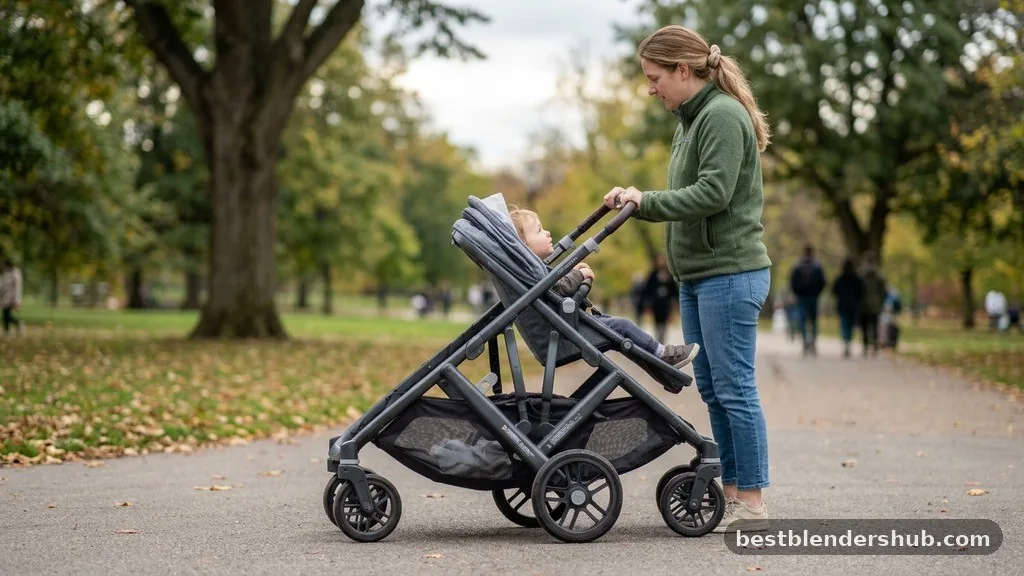
Many parents wonder if a stroller has an expiration date, especially when they are considering buying a pre-owned model or pulling an old one out of storage for a new baby. Unlike car seats, which are strictly governed by material fatigue and crash-test ratings, strollers operate under a different set of rules.
Understanding whether or not a specific model is still safe requires looking at the physical condition of the unit rather than just an arbitrary date stamped on the frame. By learning how to inspect your gear for wear, you can determine if it remains a reliable choice for your growing family.
Understanding Why Strollers Lack Formal Expiration Dates
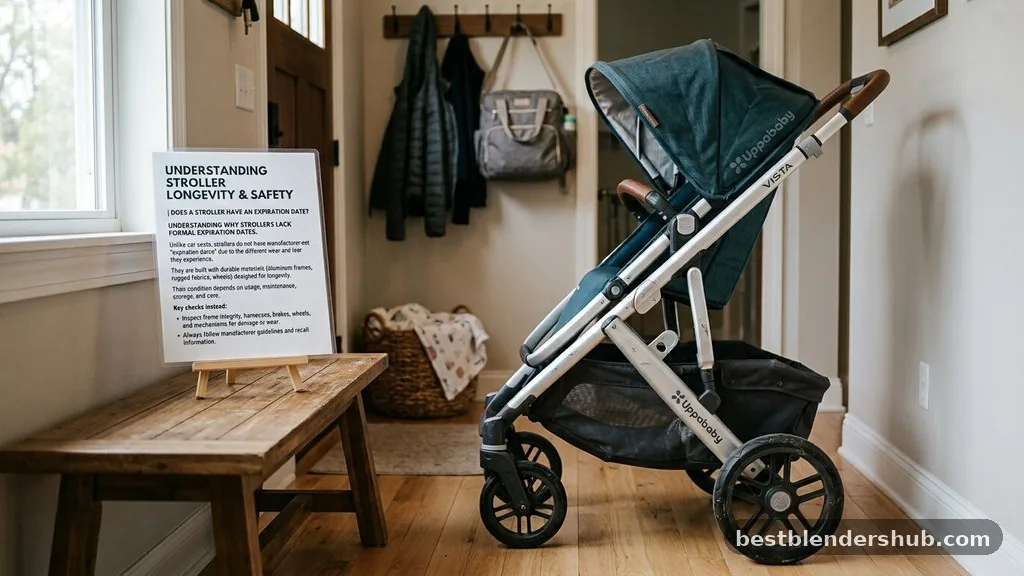
Most strollers do not carry a formal expiration date because they aren’t subject to the same high-velocity impact forces as car seats. While car seats rely on specific chemical compositions that break down over time, a stroller’s safety is primarily determined by its structural integrity and the quality of its mechanical components. Manufacturers typically design these products to withstand years of daily use, but they don’t usually provide a “use-by” date because the rate of decay depends entirely on how the stroller is stored and maintained.
The absence of a set date doesn’t mean these items last forever. Instead of a fixed timeline, you should focus on the manufacture date found on the frame or the product label.
If you find a model that is more than ten years old, you might encounter issues with parts availability or outdated safety standards. Keeping track of the serial number is the best way to monitor whether your specific unit has been involved in any recalled products lists issued by the CPSC compliance authorities.
Factors That Influence Stroller Longevity
Even if a product doesn’t have an official shelf life, various environmental and physical factors contribute to how quickly it wears out. Material degradation is the most common culprit when a stroller starts to feel unsafe or wobbly. When you are assessing an older piece of equipment, keep an eye on these specific areas:
- UV exposure: Constant sunlight can cause fabric to fade and weaken, and it can make plastic components brittle over time.
- Hinge wear: Constant folding and unfolding puts immense pressure on the joints, which can lead to loose connections.
- Mechanical stress: Carrying loads that exceed the weight limit can permanently warp the metal frame or stress the axle.
- Plastic brittleness: Extreme temperature fluctuations, such as leaving a stroller in a freezing garage or a hot car, can cause plastics to crack.
- Safety harness: Frayed straps or a sticky buckle are immediate red flags that indicate the restraint system may fail during use.
Comparing Stroller Safety to Car Seat Standards
It is common for parents to confuse the maintenance of a stroller with the strict life cycle of a car seat. The following table highlights the fundamental differences in how these two essential pieces of baby gear are managed regarding their safety lifespan.
| Feature | Stroller Lifespan | Car Seat Lifespan |
|---|---|---|
| Regulatory Focus | ASTM safety standards | Crash testing and material fatigue |
| Expiration Rule | No formal date | Strict expiration date (usually 6-10 years) |
| Primary Failure Point | Mechanical/Hinge wear | Chemical degradation of foam/plastic |
| Verification | Physical inspection | Manufacturer date/Manual |
How to Inspect Your Stroller for Safety
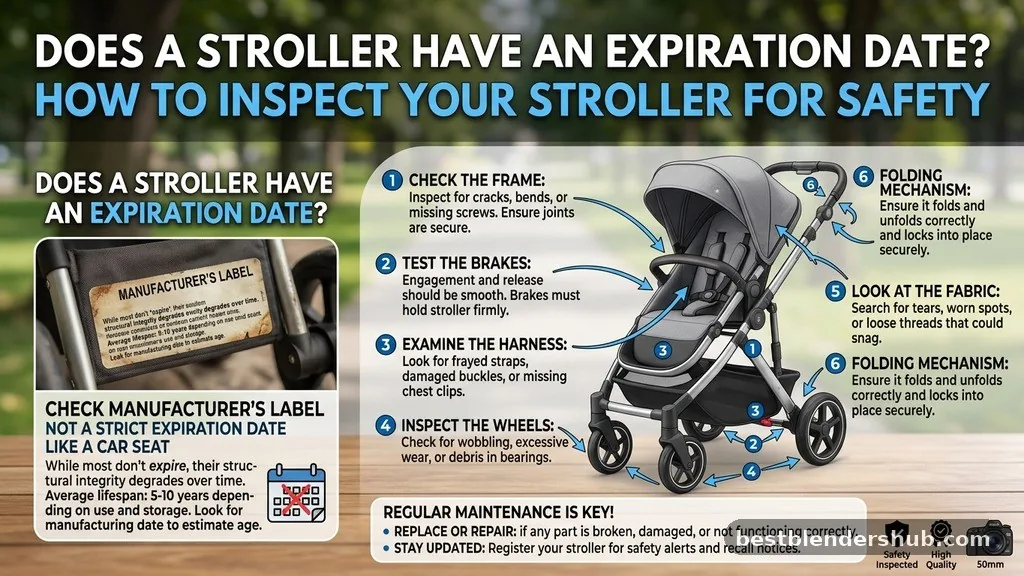
If you are inheriting a stroller or buying one second-hand, you need to perform a thorough safety audit. Start by checking the JPMA certification sticker, which confirms that the model met rigorous safety benchmarks at the time of its production. Do not rely on the visual appearance alone; a stroller might look clean but still suffer from hidden issues.
Check the frame for any signs of rust, stress fractures, or deep scratches that could compromise the metal. Engage the brake system multiple times to ensure it locks securely and doesn’t slip under pressure.
If the wheels are wobbling or the suspension feels unresponsive, these are clear signs of mechanical fatigue. Always verify that the safety harness is fully functional and that the fabric is securely attached to the frame, as loose material can become a snag hazard.
Addressing Topical Gaps: The Realities of Aging Gear
A common gap in the advice provided by many retailers is the lack of information regarding spare parts for discontinued models. If you own a stroller that is over a decade old, you will likely find that replacement wheels, seat pads, or canopy attachments are no longer in production. This makes the unit effectively “expired” in a practical sense, even if it is technically safe to push.
Furthermore, many people assume that “older is stronger” because of the metal construction used in vintage models. While older frames may feel heavier, they often lack the modern safety features required by updated ASTM safety standards, such as improved parking brakes or tether straps.
If you cannot find a manual or verify the model’s history, the risk of using an unsupported, aging product often outweighs the cost savings of avoiding a new purchase. Always prioritize the current safety features that protect against modern accident scenarios.
The Role of Maintenance in Extending Utility
You can significantly extend the useful life of your stroller by performing routine maintenance every few months. Keeping the moving parts clean is essential to preventing grit and dirt from grinding down the hinges and wheel bearings. A simple wipe-down with mild soap and water, followed by a light silicone-based lubricant on the joints, can keep the folding mechanism operating smoothly for years.
Avoid storing the stroller in damp areas, as moisture can lead to hidden corrosion inside the tubing of the frame. If you frequently use your gear for outdoor adventures, make sure to dry off the frame if you get caught in the rain.
Regularly tightening any screws or bolts that have loosened through vibration will prevent the structural integrity from degrading prematurely. If you notice a part is failing, contact the manufacturer immediately to see if a replacement is available before attempting a DIY fix that might not meet safety regulations.
When to Retire a Stroller
Knowing when to retire your gear is just as important as maintaining it. You should stop using any stroller that shows signs of compromised frame stability, such as cracks in the metal or joints that no longer lock into the “open” position. If you have been involved in a significant accident or if the stroller has been dropped or damaged during travel, it is safer to replace it entirely.
Additionally, if your specific model has been subject to a recall that cannot be remedied with a repair kit, it should be removed from service immediately. Check the manufacturer’s website periodically using your serial number to ensure no new safety bulletins have been issued for your model. If the fabric is torn or the harness is damaged beyond simple repair, it is time to move on to a newer, safer model that meets current industry expectations.
Conclusion
While you might be relieved to learn that a stroller doesn’t have an expiration date in the same way a car seat does, the importance of regular inspection cannot be overstated. Your child’s safety depends on the mechanical reliability of the frame, the integrity of the harness, and the overall condition of the components.
By keeping up with maintenance, checking for recalls, and being honest about the wear and tear on your equipment, you can ensure that your stroller remains a safe and effective tool for your family. If you ever feel uncertain about the stability of your gear, it is always better to err on the side of caution and look for a replacement that offers the peace of mind you deserve.
FAQ
Does a stroller have a formal expiration date?
No, most strollers do not have a formal expiration date like car seats do.
How can I tell if my stroller is still safe?
Check for rust, loose hinges, brake functionality, and ensure the safety harness is secure and undamaged.
Are old strollers safe to use for a new baby?
They can be, provided they haven’t been recalled and remain in excellent, fully functional structural condition.
What should I look for in a second-hand stroller?
Look for the serial number, check for recalls, and inspect all moving parts for signs of excessive wear.
Do Nuna or Doona strollers expire?
Specific components may have lifespans, so always consult the manual for the manufacturer’s specific recommendations on longevity.
Should I replace a stroller after a car accident?
Yes, if the stroller was in the vehicle during a crash, it should be replaced immediately for safety.
How often should I clean the stroller to keep it safe?
Clean your stroller every few months to remove debris that causes friction and wear on mechanical parts.

Jamesmathew is an expert Amazon affiliate writer, helping readers discover top products, smart deals, and practical buying guides through honest reviews and insightful content.