

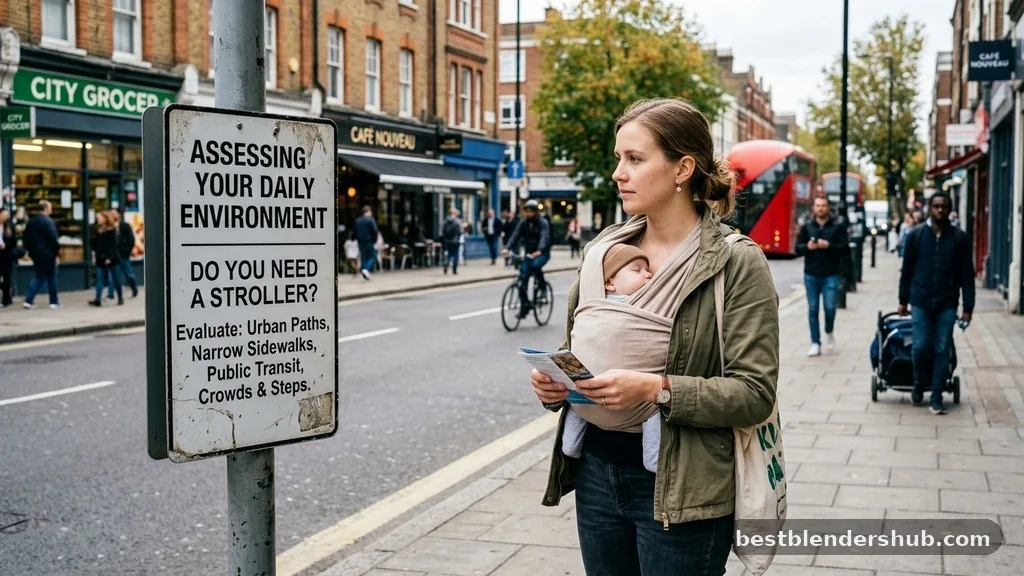
Deciding whether you need a stroller is one of the first big dilemmas new parents face when preparing for their baby’s arrival. While the baby gear market is flooded with high-end models and complex systems, every family’s daily routine differs significantly based on their location and personal habits.
Some parents find a mobile carriage essential for long walks and errands, while others prefer the closeness of a carrier. Understanding if you need a stroller requires looking closely at your lifestyle, your living situation, and how you plan to move around your community during those first few years of parenthood.
Assessing Your Daily Environment
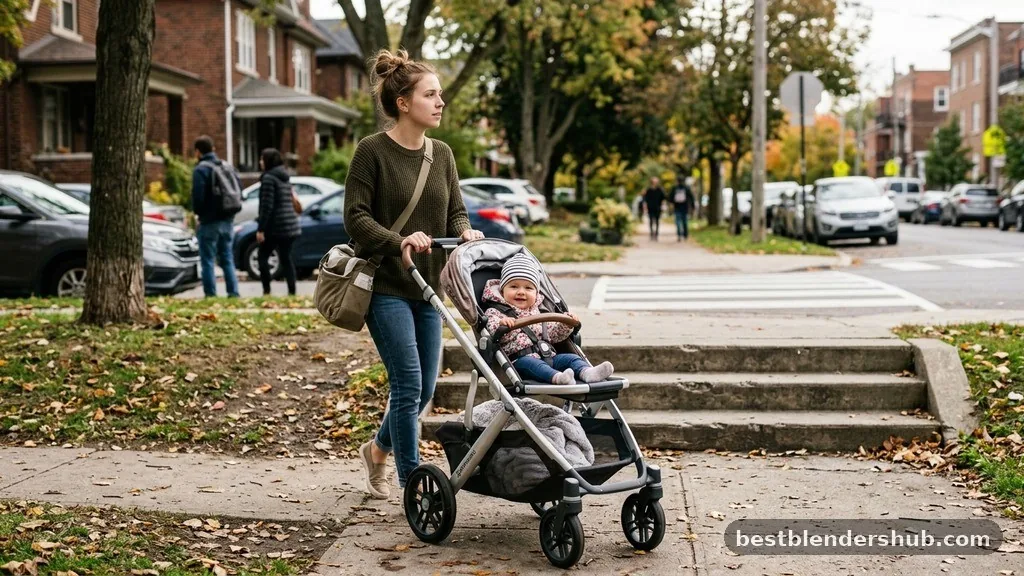
The most important factor in your decision is your living situation. If you live in an urban environment, you will likely find that navigating city sidewalks, grocery stores, and public transit is vastly easier with a set of wheels. A sturdy pushchair acts as a mobile base of operations, providing a supportive surface for your child to nap while you handle errands.
In contrast, if you live in a rural area or a house where you spend most of your time in a private backyard or driving to destinations, the requirements change. You might find that you only need a way to transport the baby from the car to the house, which can often be handled by a car seat carrier.
Consider your typical school runs or trips to the local park. If you are constantly on the move on foot, the stroller is often the primary tool for keeping your child contained and safe while you manage the logistics of daily life.
The Role of Babywearing
Many parents choose to forgo a stroller entirely in the first year by embracing the role of babywearing. Using various wraps, slings, or structured carriers allows you to keep your baby close while keeping your hands free for other tasks. This approach is excellent for accessibility, as you can navigate stairs, enter narrow shops, and move through high-traffic crowds without worrying about the footprint of a bulky frame.
Babywearing also provides a sense of security for the infant and can often soothe a fussy baby who prefers being upright. However, there are physical limitations to consider.
Carrying a growing child for long periods can put significant strain on your back and shoulders. As the baby gains weight, the convenience of a hands-free carrier may start to compete with the physical comfort of pushing a stroller that bears the weight for you.
Evaluating Different Life Stages
Your need for a stroller will likely evolve as your child grows. During the newborn phase, you might prioritize a travel system that connects to a car seat, allowing for seamless transitions from the vehicle to the walking path. As your child reaches toddlerhood, their desire for independence increases, and they may want to walk alongside you more often.
The Toddler Transition
By the time a child reaches two or three years old, many parents find they only use their transport for long outings or naps. You might find that you no longer need a full-sized, heavy-duty model and can switch to a lightweight option. Travel strollers: compact designs that fold down into a small footprint are often perfect for this stage. These units are easy to toss into a car trunk or carry onto a bus, providing a backup option when little legs get tired after a long day of walking.
Travel and Theme Parks

When planning travel and theme parks, the stroller becomes more than just a convenience; it becomes a survival tool. These locations involve massive amounts of walking, often exceeding what a young child can physically handle. Even older children who haven’t used a stroller at home for years may find they need one to keep up with the pace of a vacation.
If you are heading to a busy attraction, consider the following benefits of having a transport option:
- Storage space for snacks, extra layers, and water bottles.
- A dedicated, private space for your child to nap in the middle of a loud environment.
- Protection from the sun and rain, depending on the canopy coverage.
- A safety barrier in dense, high-traffic crowds where children can easily become separated.
Cost-Benefit Analysis of Baby Gear
Purchasing a high-quality stroller is a significant investment. When performing a cost-benefit analysis, you should look at the expected lifespan of the product versus your actual usage. If you only plan to use it once a month, a budget-friendly or pre-owned model might be the smartest financial move.
| Stroller Type | Best Use Case | Portability |
|---|---|---|
| Full-Sized System | Newborns and daily heavy use | Low |
| Lightweight Umbrella | Quick errands and older toddlers | High |
| Jogging Stroller | Active parents, rough terrain | Medium |
| Travel-Friendly Compact | Air travel and urban transit | Very High |
Alternatives to Consider
If you are still on the fence, look into alternatives to consider before making a purchase. Some families find that a simple wagon is more versatile for older children, offering more room for gear and multiple kids.
Others might rent equipment when they travel rather than buying and hauling their own gear through airports. Renting is a fantastic way to test if your child will actually tolerate sitting in a seat for extended periods before you commit to buying a brand-new model.
Addressing Common Concerns
A frequent point of confusion is whether you need a stroller if you have a car. While a car seat is mandatory for safety, a stroller is a lifestyle choice. You might find that you use your car to get to a trail, and then you need a stroller to actually traverse that trail.
Think about the “last mile” of your journey—the distance between your parking spot and your final destination. If that distance is significant, a stroller is almost always worth the investment.
FAQ
Do I actually need a stroller for a newborn?
You don’t strictly need one, but it’s highly recommended for longer outings and easier daily mobility.
At what age should a child not need a stroller?
Most children outgrow the consistent need for a stroller between three and five years of age.
Does my 7-year-old need a stroller at Disney?
It depends on their stamina, but many parents find them helpful for long, high-activity park days.
Is a stroller worth the money?
If it facilitates your daily routine, improves your physical comfort, and aids travel, it is worthwhile.
Can I use a baby carrier instead of a stroller?
Yes, babywearing is a popular and effective alternative, though it becomes physically demanding as children grow.
How do I decide which stroller fits my lifestyle?
Consider your primary mode of transport, where you walk most often, and your available storage space.
Is a travel stroller necessary?
If you fly or take public transit frequently, a compact travel model is a massive convenience factor.
Final Thoughts
Ultimately, determining if you need a stroller depends on your specific lifestyle, your child’s temperament, and your local environment. While some families thrive by relying exclusively on baby carriers or simply letting their children walk, most parents find that having at least one reliable set of wheels provides a much-needed layer of convenience. Start by observing your daily habits and identifying where you feel the most friction when moving around.
If you find yourself struggling to manage bags, a nap-deprived toddler, and long distances during your regular outings, it’s likely time to invest in a model that makes your life easier. Feel free to reach out if you need help narrowing down the best features for your specific situation.

Jamesmathew is an expert Amazon affiliate writer, helping readers discover top products, smart deals, and practical buying guides through honest reviews and insightful content.