

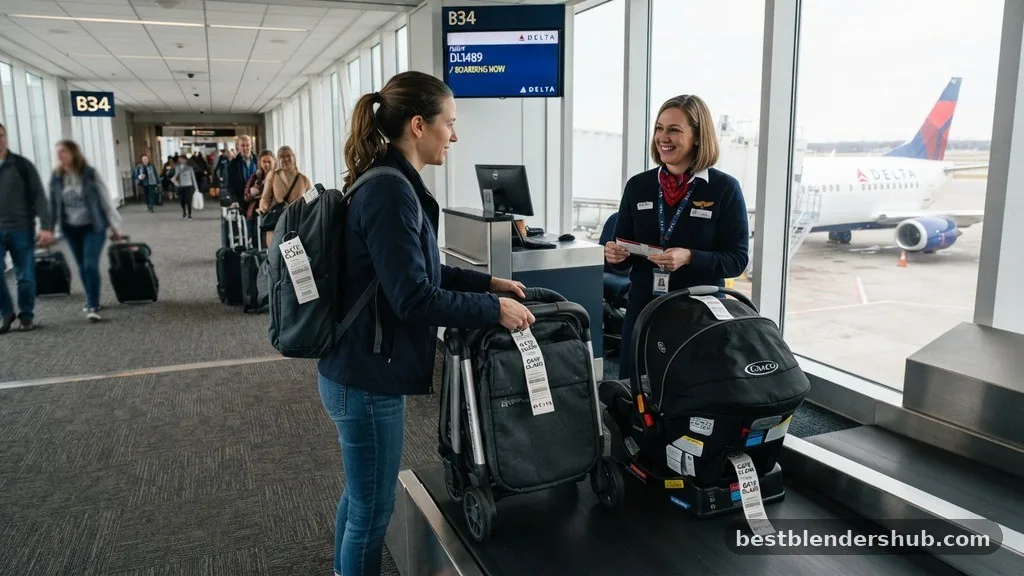
Navigating airport terminals with young children requires careful planning, especially when you are wondering if you can gate check your stroller and car seat for a smoother boarding process. Most major airlines allow parents to bring these essential items to the departure gate, providing a convenient way to keep your little ones mobile until the very last second before you step onto the aircraft.
Understanding the nuances of airline policies and the specific procedures at the boarding gate will save you time and reduce stress during your family travels. By preparing your gear correctly, you can ensure your equipment arrives safely at your destination without adding unnecessary complexity to your journey.
Understanding Gate Checking Procedures
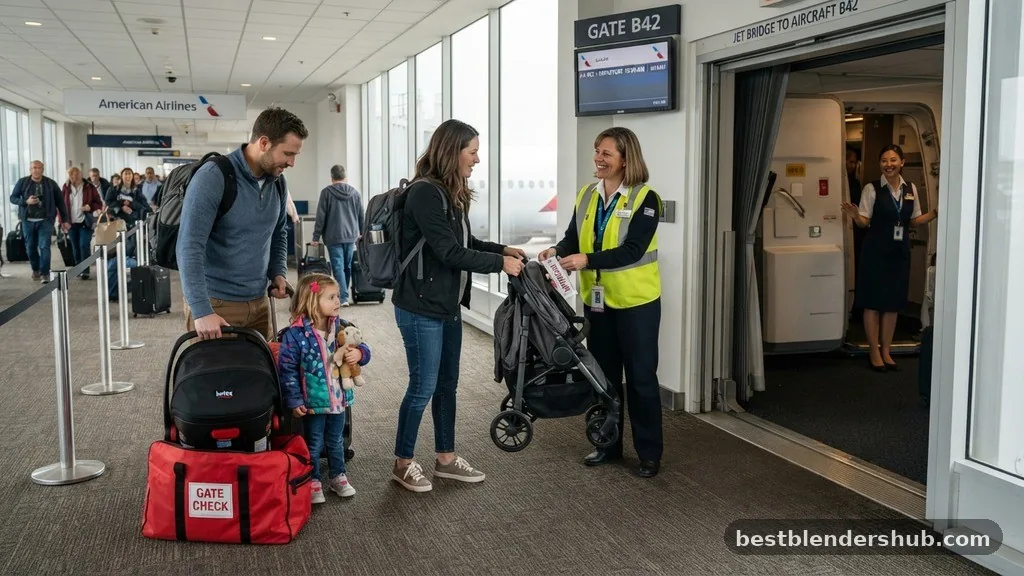
Gate checking is a service provided by most airlines that allows passengers to leave items like strollers and car seats at the end of the jet bridge just before boarding the plane. This process is distinct from standard checked baggage because the airline ground crew takes your items directly to the cargo hold and typically returns them to the jet bridge upon arrival. For many parents, this is the preferred method because it minimizes the time your gear spends in the general baggage handling system, which often sees more rough handling.
To successfully gate check your items, you must visit the check-in counter or the gate agent to obtain a specific gate check tag for each item. These tags act as identification, ensuring the ground crew knows exactly which items belong to which flight.
Once you have your tags attached, you can proceed through security and through the terminal with your child in the stroller. When you reach the boarding gate, you will collapse your stroller, detach any extra components, and leave the gear in the designated area as instructed by the flight crew.
Navigating TSA Security Screening with Gear
Getting through security with baby equipment is often the most daunting part of the travel experience for new parents. You should expect that your stroller and car seat will undergo physical inspection or X-ray screening at the checkpoint.
The TSA security screening process requires that all items, including strollers, must pass through the X-ray tunnel if they fit. If your stroller is too large, the agents will perform a manual inspection, which may include a swab for explosive residue.
It is helpful to prepare for this by removing all loose items from the storage basket of your stroller before you reach the front of the line. Keeping your belongings in a clear bag or organized bin can speed up the process significantly.
If you are traveling with an infant car seat, you may be asked to remove the child from the seat while the equipment is scanned. Communicating clearly with the TSA officer about your needs can help keep the process moving efficiently.
Comparing Checked Baggage and Gate Checking
Deciding whether to check your gear at the main counter or at the gate depends on your child’s needs and the size of your equipment. Many families choose to check their bulky items at the ticket counter to avoid carrying them through the terminal, but this means you will have to carry your child through the airport. Conversely, gate checking allows you to use your stroller for transportation within the terminal, which is a massive advantage if you have a long layover or a large airport to navigate.
| Factor | Gate Checking | Main Counter Checked Baggage |
|---|---|---|
| Convenience in Terminal | High (stroller usage allowed) | Low (need to carry child/bags) |
| Handling Risk | Lower (less transit time) | Higher (goes through baggage system) |
| Boarding Speed | Slightly slower (must collapse) | Faster (no gear at gate) |
| Arrival Wait Time | Short (waiting at jet bridge) | Long (waiting at baggage claim) |
Protecting Your Gear During Travel
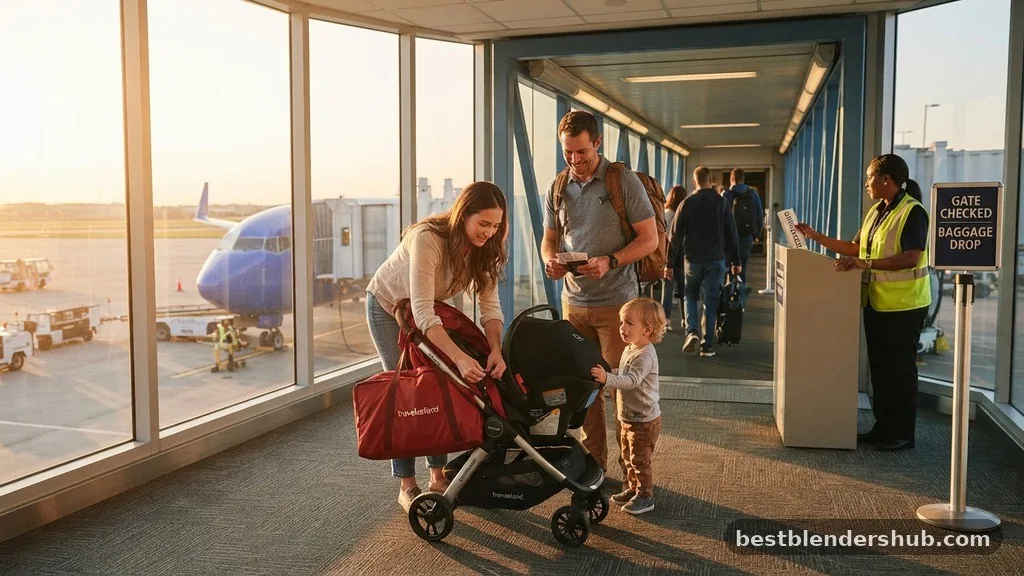
While gate checking is generally safer than standard checked baggage, your equipment is still susceptible to scratches, dirt, and damage during the loading and unloading process. Investing in a durable protective travel bag is one of the smartest moves you can make as a parent.
These bags are designed specifically for car seats and strollers, providing a layer of padding and keeping the fabric clean. Many of these covers are water-resistant, which is a lifesaver if your gear sits on the tarmac during a sudden rainstorm.
Beyond using a bag, consider adding a bright ribbon or a custom tag to your gear to make it easily identifiable among other strollers on the jet bridge. If you have a high-end travel stroller, you might want to remove any detachable accessories like cup holders or snack trays, as these are easily lost or damaged when the stroller is collapsed and handled by ground crew. Taking two minutes to secure these loose parts can prevent a frustrating discovery upon arrival at your destination.
Airline Policies and Weight Limits
Every airline maintains its own specific airline policy regarding the transport of baby gear, and these rules can change based on the aircraft type and the destination. While most domestic carriers allow you to gate check a standard stroller for free, some budget airlines or international carriers may have strict stroller weight limit requirements or size restrictions. If your stroller is an oversized model or a heavy jogging stroller, the gate agent may decide that it must be checked as cargo instead of being gate-checked.
Always verify the current rules on the airline’s website a few days before your flight. Look specifically for information regarding “strollers and car seats” to see if they count toward your carry-on allowance or if they are considered free extras. Being informed prevents arguments at the gate and ensures you have a backup plan if your equipment doesn’t meet the specific criteria for gate-side handling.
Addressing Common Challenges and Topical Gaps
A common concern involves the transition from the gate to the aircraft cabin. If you are worried about the safety of your child during the flight, consider bringing your car seat on board if you have purchased a seat for your baby. FAA regulations permit the use of FAA-approved car seats on aircraft, provided they are properly secured in a window seat. This is often the safest way to travel, but it requires that your car seat fits within the dimensions of the plane’s seat, which is usually around 16 to 18 inches wide.
Another challenge is the “lost gear” scenario. While rare, it is possible for gate-checked items to be sent to the baggage claim area instead of the jet bridge.
If you arrive at your destination and do not see your stroller on the jet bridge, check the oversized luggage claim area first. It is always a good idea to keep your contact information attached to the stroller handle, just in case a tag gets ripped off during the flight.
* Check your airline’s website for the most recent updates on family travel policies.
* Arrive at the gate early to request your tags and speak with the agent.
* Use a protective cover to prevent damage during the loading process.
* Verify whether your specific stroller model meets the size requirements for gate checking.
* Keep your child in a carrier or wearable wrap if you choose to check gear at the counter.
* Double-check that your gate check tag is securely fastened to the frame of the stroller.
* Remove all loose toys or blankets from the stroller before handing it to the crew.
The Importance of Preparation for Family Travel Logistics
Effective family travel logistics rely on minimizing the number of items you have to manage while moving through the airport. By deciding early whether you will bring your car seat into the cabin or gate check it, you can simplify your boarding process.
If you decide to gate check, ensure your car seat is in a protective bag to keep it sanitized and intact. This preparation allows you to focus on your children rather than worrying about the logistics of your gear.
Remember that airline staff are there to assist you, but they are often balancing many tasks at once. Being polite and having your gear ready to collapse quickly makes the process easier for everyone involved. If you are traveling solo with children, consider using a stroller that can be folded with one hand, as this will significantly reduce your stress when the boarding call is made.
Conclusion
Successfully managing your baby gear while traveling comes down to understanding the specific procedures provided by your airline and preparing your equipment for the rigors of flight. Whether you decide to gate check your stroller and car seat or check them at the main counter, the goal is to keep your travel day as manageable as possible.
By using protective covers, checking airline policies in advance, and staying organized during security, you can ensure that your gear arrives in good condition and ready for use at your destination. Always keep your essential items with you in your carry-on, and treat the gate check process as a helpful service designed to assist families in navigating the busy airport environment with greater ease and comfort.
Can I bring my car seat on the plane for free?
Most airlines allow you to bring a car seat for free if you purchased a seat for your child.
Is it safe to gate check a car seat?
Gate checking is safer than standard baggage handling, but using a protective bag significantly reduces the risk of damage.
Do all airlines allow gate checking for strollers?
Most major airlines permit gate checking, but some budget carriers may have specific size or weight restrictions for strollers.
What happens if my gate-checked stroller is damaged?
Report the damage to the airline’s baggage service office immediately upon arrival before leaving the airport terminal area.
Can I use my stroller until I board the plane?
Yes, you can use your stroller all the way to the jet bridge, where you then collapse it for storage.
Do I need a special tag for my stroller at the gate?
Yes, you must obtain a gate check tag from the gate agent before you begin the boarding process.
Should I remove accessories from my stroller before gate checking?
Yes, remove all loose items like cup holders, snack trays, and toys to prevent them from being lost or broken.

Jamesmathew is an expert Amazon affiliate writer, helping readers discover top products, smart deals, and practical buying guides through honest reviews and insightful content.