

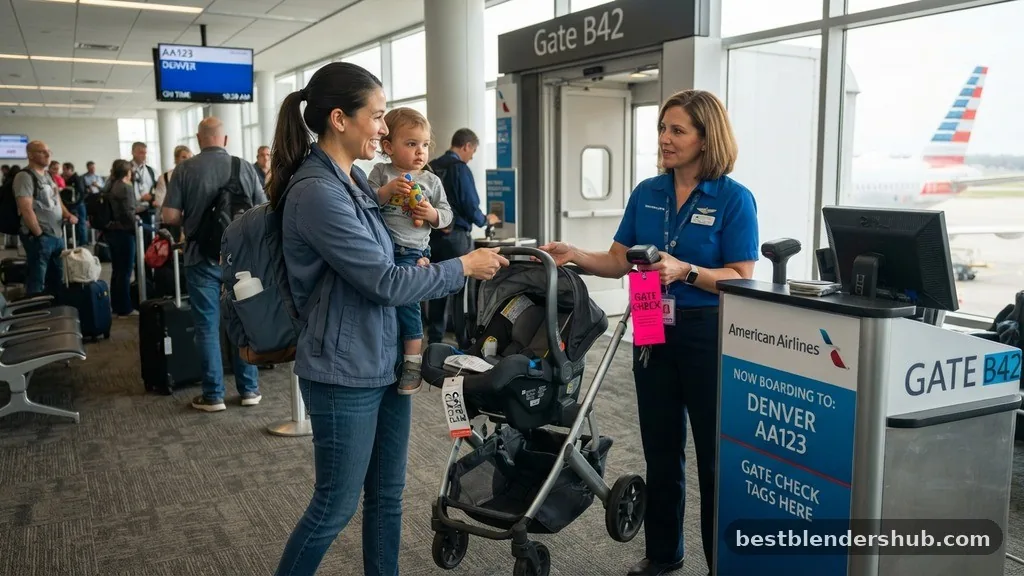
Traveling with a young child turns an airport terminal into an obstacle course, and knowing exactly how to handle your bulky gear is essential for a smooth departure. Many parents wonder if they can gate check a car seat and stroller to keep their hands free until the very last second before boarding the plane.
Understanding the nuances of airline policies ensures you don’t end up at the boarding gate with items that aren’t permitted. Getting this right saves you from unnecessary stress and ensures your infant travel gear arrives safely at your destination.
Understanding Gate Checking Procedures
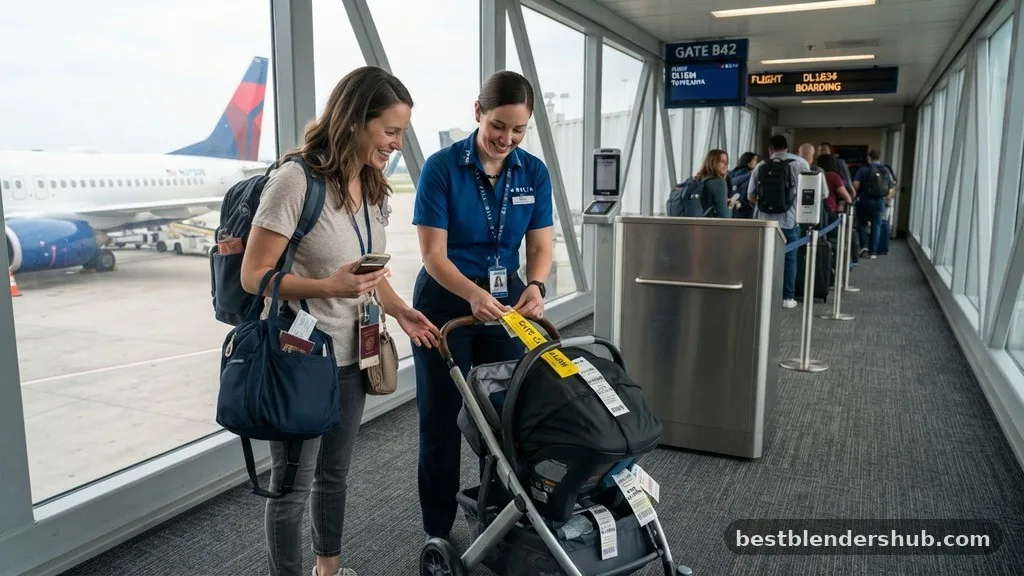
Gate checking is the practice of leaving your stroller or car seat at the end of the jet bridge just before you step onto the aircraft. Most major airlines allow this for families, but there are specific rules regarding size and weight that you must follow to ensure your items are handled correctly.
When you arrive at the airport, you should head to the checked luggage counter if you plan to stow your gear in the hold from the start. However, if you prefer the convenience of having your gear available while navigating the terminal, you can wait until you reach the departure gate. At the gate, the airline cabin crew or gate agents will issue a gate check tag that you attach to your equipment.
Once tagged, you leave the stroller or car seat at the designated spot on the jet bridge. Ground crew members then take these items, place them in the cargo hold, and deliver them back to the jet bridge upon arrival. This process, often called tarmac delivery, is standard for many carriers, but it is not guaranteed for every flight or every type of equipment.
Navigating Airline Baggage Policy Variations
Every airline maintains its own airline baggage policy, which dictates what can and cannot be gate-checked. While most domestic carriers are quite accommodating, international flights or smaller regional jets may have stricter limitations due to limited cargo space or different loading procedures.
Always verify your specific airline’s requirements before you leave for the airport. Some carriers restrict gate checking to umbrella-style or compact strollers only. If your stroller is too large or doesn’t fold properly, they may require you to check it at the main desk, which means you’ll have to carry your child or use a baby carrier through the terminal.
Comparing Gate Check Policies by Airline Type
Understanding the difference between major carriers and budget airlines helps you plan your transit through the airport more effectively.
| Airline Category | Gate Check Policy | Typical Handling |
|---|---|---|
| Major Domestic Carriers | Generally Permitted | Tarmac delivery provided |
| Budget/Low-Cost Carriers | Often Restricted | May require checked baggage |
| International Carriers | Varies by Route | Dependent on aircraft size |
Protecting Your Gear During Travel
If you decide to gate check a car seat and stroller, you need to consider how these items are handled. Cargo holds are cramped environments, and items are often tossed or stacked quickly by ground personnel. Without proper protection, your expensive equipment can suffer from scuffs, broken clips, or grease stains.
Investing in a protective travel bag is one of the smartest decisions a traveling parent can make. These bags are typically made of durable, water-resistant material and provide a layer of padding that shields your gear from dirt and rough handling. Many of these bags are bright in color, making it easier to identify your items when you step off the plane.
Tips for Safeguarding Your Equipment
* Use a padded bag specifically designed for your infant car seat model to prevent structural damage.
* Remove all loose accessories like cup holders, snack trays, or sunshades before folding your foldable stroller.
* Secure all loose straps with tape or rubber bands to prevent them from getting caught in conveyor belts or luggage loaders.
* Label your bags clearly with your name, phone number, and flight details.
* Consider using a cheaper, lightweight “umbrella” stroller for travel rather than your high-end everyday model.
Compliance with FAA Safety Regulations
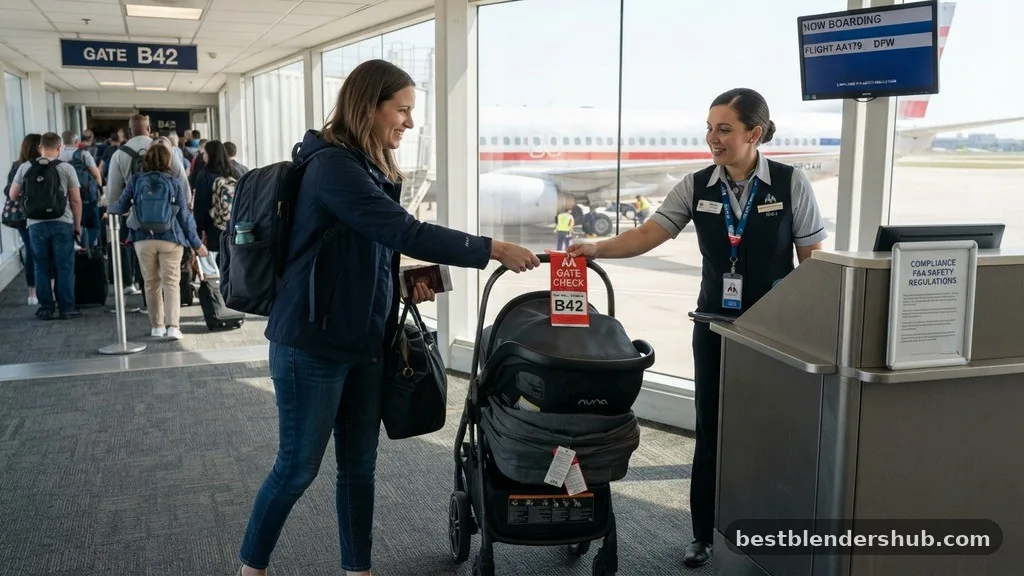
While you are permitted to gate check your gear, there are strict FAA safety regulations regarding the use of car seats on the plane itself. If you have purchased a separate seat for your child, the FAA strongly recommends that your child stays in their car seat during the flight.
If you choose to gate check your car seat, you are essentially treating it as checked baggage. This means it is subjected to the same handling conditions as standard suitcases.
If you prefer to have your child sit in their car seat during the flight, you must ensure the seat is labeled as FAA-approved. Most seats manufactured in the US meet these criteria, but always check the sticker on the side of the frame before you fly.
Managing TSA Security Screening with Kids
Navigating the TSA security screening process is often the most daunting part of the journey. You will be required to send your stroller, car seat, and any other large items through the X-ray machine. If your stroller is too large to fit through the scanner, the security officers will perform a manual inspection, which can delay your progress.
Be prepared to remove your child from the stroller and fold it down completely. Having a travel stroller that folds with one hand is a significant advantage here. Keep your liquids and medications in an easily accessible bag, and consider wearing your baby in a carrier during the screening process to keep your hands free for managing your bins.
Addressing Topical Gaps in Travel Preparation
Many parents ask about the specific nuances of gate checking that aren’t immediately obvious. A major gap in common advice is the difference between “gate checking” and “checking at the counter.”
When you check at the counter, your items are sent directly to the baggage claim carousel at your destination. When you gate check, you get them back at the jet bridge.
Another common point of confusion involves the carry-on allowance. Most airlines allow you to bring a car seat and stroller for free, in addition to your standard carry-on baggage.
However, this policy does not always extend to other baby gear like pack-and-plays or large diaper bags. Always confirm whether your specific airline counts these as extra pieces of luggage or as exempt “family items.”
Finally, consider the transit time during layovers. If you have a short connection, relying on tarmac delivery can be risky.
If the ground crew misses the connection or fails to bring your gear to the gate, you may have to wait at the final destination’s baggage claim. If you have a long layover, having your gear at the gate is a lifesaver, as it allows your child to nap comfortably in the stroller while you wait for your next flight.
The Reality of Tarmac Delivery
Tarmac delivery is a convenient service, but it is not flawless. On busy flights, the ground crew may be under pressure to turn the plane around quickly.
This can lead to delays in getting your stroller or car seat back to the jet bridge. In some cases, the crew may decide that the items should be sent to the main baggage claim area instead of being returned to the gate.
This usually happens on smaller, regional aircraft with very limited space in the cargo hold. If your flight is full, the cargo hold might be packed to capacity, leaving no room for late-arriving gate-checked items.
In these instances, the gate agent may proactively ask you to check the items at the counter to avoid an issue at the destination. Always remain flexible and keep your essential items—like diapers, wipes, and snacks—in your diaper bag, which should remain with you in the cabin.
Conclusion
Navigating the logistics of air travel with small children requires preparation, but knowing the rules helps reduce the friction of the journey. When you gate check a car seat and stroller, you gain the benefit of mobility throughout the terminal, provided you choose compact gear and respect your airline’s specific baggage policy. Remember to invest in protective covers and arrive at the airport with extra time to clear security, as these steps significantly improve the odds of your gear arriving safely.
By following these guidelines, you can ensure that your equipment remains in good condition and that your travel day remains as manageable as possible. If you need further clarification on your specific airline’s rules, check their website or contact customer service well before your departure date.
Frequently Asked Questions
Can you gate check a car seat and stroller for free?
Most major airlines allow you to gate check your car seat and stroller for free, regardless of ticket class.
Do I need a special bag for gate checking?
While not strictly required, a durable, padded travel bag protects your gear from dirt, grease, and rough handling.
Will my stroller be waiting for me at the plane door?
Usually, yes, but on some regional flights or crowded planes, it may be sent to the baggage claim area.
Can I bring a car seat into the cabin?
Yes, if you have purchased a separate seat for your child and the car seat is FAA-approved and labeled.
Does a stroller count toward my carry-on allowance?
Generally, no; most airlines classify strollers and car seats as exempt items that do not count as carry-on luggage.
What if my stroller is too big for the gate?
If it exceeds the airline’s size limits, you will be required to check it at the main luggage counter instead.
Is it better to check gear at the counter or the gate?
Gate checking is better for terminal mobility, while counter checking is safer for large, expensive, or heavy-duty gear.

Jamesmathew is an expert Amazon affiliate writer, helping readers discover top products, smart deals, and practical buying guides through honest reviews and insightful content.