


Deciding whether to invest in a stroller is a rite of passage for every expecting parent, though many wonder if they can simply skip the bulky equipment. While the market pushes high-tech gear, the reality is that your specific lifestyle—not the marketing—should dictate your purchases.
Whether you are navigating a dense city, living in a quiet suburb, or embracing a minimalist philosophy, determining if you really need a stroller comes down to how you move through your world each day. This article explores the trade-offs between carrying your child and pushing them, helping you decide if wheels are a necessity or an optional convenience for your family.
Lifestyle Factors and Mobility
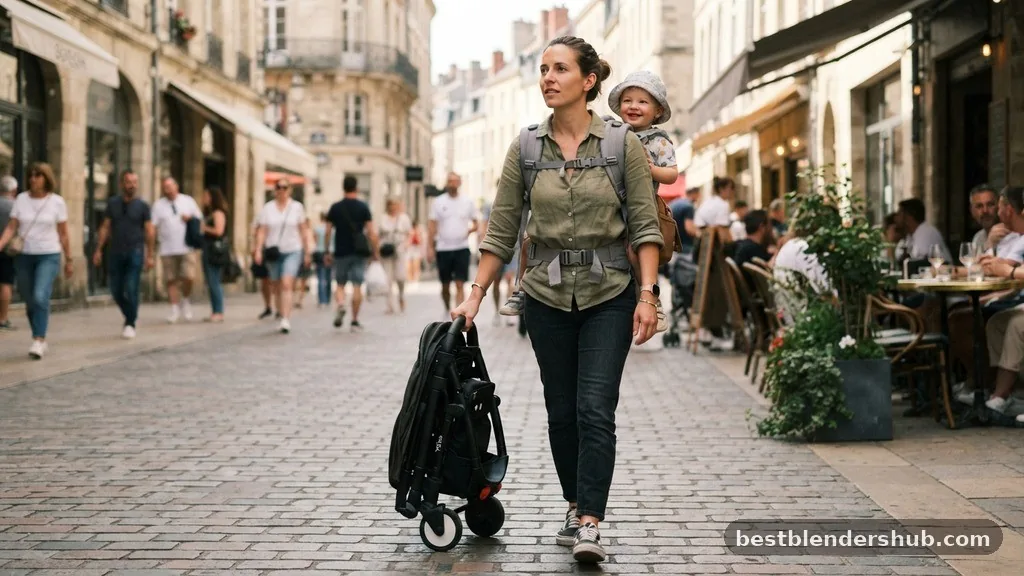
Your daily routine serves as the primary indicator for whether a stroller will be a staple or a dust collector in your garage. If your lifestyle involves significant amounts of walking, such as commuting to work, running errands on foot, or enjoying long park strolls, the physical strain of carrying a growing infant becomes a genuine concern. A stroller acts as a mobile base station, providing a secure spot for your child to nap, eat, or just observe the world while you keep your hands free.
Conversely, if you primarily travel by car, you might find yourself questioning the utility of a stroller. In this scenario, a travel system—which allows you to click a car seat directly into a stroller frame—might bridge the gap between vehicle transit and walking.
However, if you are a fan of baby gear minimalism, you might prefer to rely on a baby carrier or an ergonomic infant sling for the first several months. These tools allow for closer physical contact and are often far more effective for navigating crowded spaces or rough terrain where wheels might struggle.
The Role of Public Transit and Urban Living
If you live in a city, the question of whether you need a stroller takes on a practical, logistical dimension. Public transit accessibility is often the deciding factor here. A massive, heavy jogger might be a nightmare to lug onto a bus or through a subway turnstile, whereas a lightweight umbrella stroller or a compact model with easy foldability can be a lifesaver.
For city dwellers, the stroller is essentially a second set of arms. When you are carrying groceries, a diaper bag, and a baby, the ability to store items in the under-seat basket is invaluable. Consider these points when evaluating your urban mobility needs:
- The weight of the unit: Can you lift it up a flight of stairs if the elevator is broken?
- Storage footprint: Does it fit comfortably in your entryway or apartment closet?
- Maneuverability: Can you weave through narrow aisles at the local market?
- Public transport compatibility: Will it fit through the doors of your local bus or tram?
Developmental Milestones and Baby Carriers
Understanding your baby’s physical development helps clarify the timeline for stroller use. Newborns require significant newborn neck support, which means if you opt for a carrier instead of a stroller, you must ensure the carrier is specifically designed for the newborn stage. As your baby gains head control and starts hitting developmental milestones like sitting up, the requirements for your gear will shift.
Some parents find that by the time their child reaches the “toddler stamina” phase, they rarely use a stroller anyway. Toddlers are notoriously fickle; they may want to walk for miles one day and refuse to take a single step the next. If you choose to forgo a stroller early on, you might find yourself needing one later simply to contain an active toddler during long outings or trips to theme parks.
Analyzing Gear Necessity: A Comparison
To better visualize your options, it helps to compare the utility of various transport methods. The following table highlights how different pieces of equipment perform across common parenting scenarios.
| Equipment | Best For | Key Advantage | Main Limitation |
|---|---|---|---|
| Ergonomic Carrier | Newborns, crowded areas | Hands-free, promotes bonding | Physical strain over long periods |
| Travel System | Infants, car-heavy lifestyles | Seamless car-to-walk transition | Heavy and takes up trunk space |
| Umbrella Stroller | Travel, older toddlers | Lightweight, easy storage | Lacks features like deep recline |
| Full-Size Stroller | Daily use, rough terrain | Storage, comfort, longevity | Bulky, requires more space |
Addressing Common Gaps in Stroller Advice
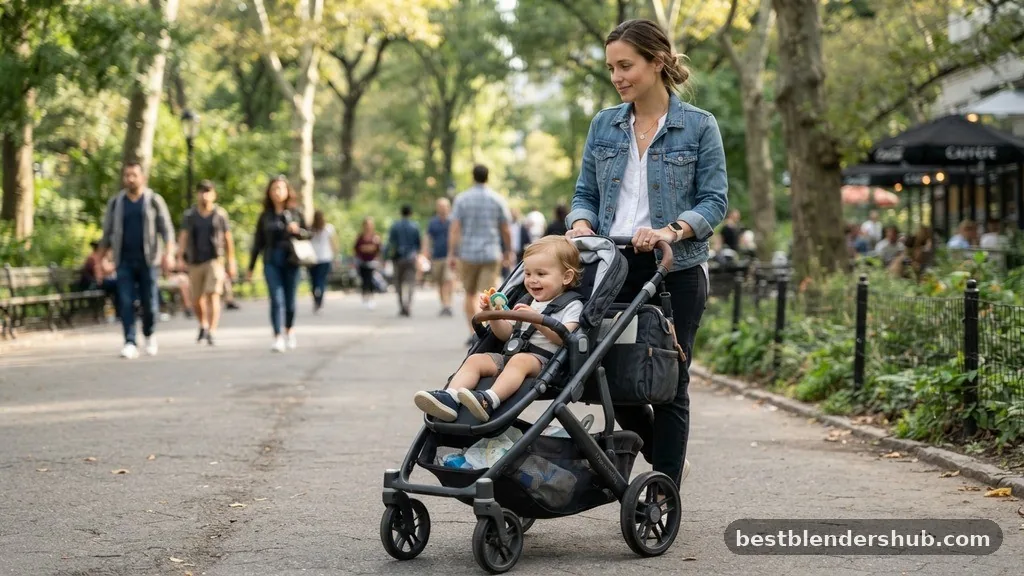
Many guides fail to address the specific “what if” scenarios that parents actually face. One common gap is the assumption that you must have a stroller from day one. In reality, many parents survive the first three months using only a high-quality carrier, only purchasing a stroller once the baby becomes too heavy for long-term carrying.
Another often overlooked factor is the stroller weight limit. If you invest in a cheaper model, you might find that your child outgrows it by age two, forcing you to buy a second, more robust unit. If you plan on using a stroller for long-term travel or park visits, check the manufacturer’s weight limit to ensure it will actually last through the toddler years.
Additionally, many parents worry about car seat compatibility. If you are buying gear secondhand, ensure the adapters match your specific car seat model, as this is a frequent point of frustration for new parents who assume all brands are universal.
Navigating Theme Parks and Major Outings
A major point of contention for many parents is the decision to bring a stroller to high-activity locations like theme parks. You might wonder, “Does my seven-year-old need a stroller at Disney?” While it seems excessive, the reality of Disney stroller rental services suggests that even older children often need a break from the massive amount of walking required in theme parks.
If you are planning an extended trip, the fatigue factor for a small child is real. Even if you don’t use a stroller at home, having one for a vacation can prevent total meltdowns and allow you to stay out longer in the evenings. Evaluate your child’s walking endurance honestly before deciding to leave the wheels at home.
The Minimalist Approach to Baby Gear
Adopting a minimalist approach doesn’t mean you have to be uncomfortable. It means being intentional. If you decide that you do not need a stroller, ensure you have a backup plan for when your back needs a break or your arms are tired.
Some parents keep a very cheap, collapsible stroller in the trunk of the car “just in case,” while relying on carriers for 90% of their daily movement. This hybrid strategy allows you to enjoy the benefits of both worlds without cluttering your home with gear you rarely touch.
Summarizing Your Mobility Needs
Ultimately, the question of whether you need a stroller is entirely personal. If you enjoy the physical closeness of a carrier and have a lifestyle that supports it, you might find that you can skip the stroller entirely for the first year. For those who prioritize a walking commute or need the extra storage space for a long day out, a stroller remains an essential piece of infrastructure.
Assess your daily routine, consider your local environment, and be realistic about your physical stamina. You don’t need to buy everything at once. Sometimes, the best strategy is to start with a versatile carrier and see how your needs evolve as your baby grows.
If you find yourself struggling with the weight of a growing child or the lack of storage for your gear, that is the moment to research a stroller that fits your specific needs. Start small, observe your habits, and invest only when you are certain that a specific piece of equipment will improve your daily experience.
Frequently Asked Questions
Is a stroller really necessary for every parent?
Not necessarily; many parents successfully rely on baby carriers if they prefer mobility and minimal storage space.
At what age do most children stop using a stroller?
Most children naturally transition out of stroller use between three and five years old, depending on endurance.
Can I put my four-month-old in a stroller without a car seat?
Yes, provided the stroller seat fully reclines to a flat position to support the baby’s developing neck.
Does a two-year-old really need a stroller?
It depends on your activity level; active toddlers often need one for long outings or mid-day naps.
Is a travel system worth the investment?
Yes, if you frequently transfer a sleeping infant from the car to walking, it offers significant convenience.
What is the benefit of an umbrella stroller?
They are lightweight, highly portable, and perfect for quick trips, public transit, or air travel needs.
Are strollers allowed in all public spaces?
Most public spaces are accessible, but very bulky strollers can be difficult to navigate in crowded venues.

Jamesmathew is an expert Amazon affiliate writer, helping readers discover top products, smart deals, and practical buying guides through honest reviews and insightful content.