

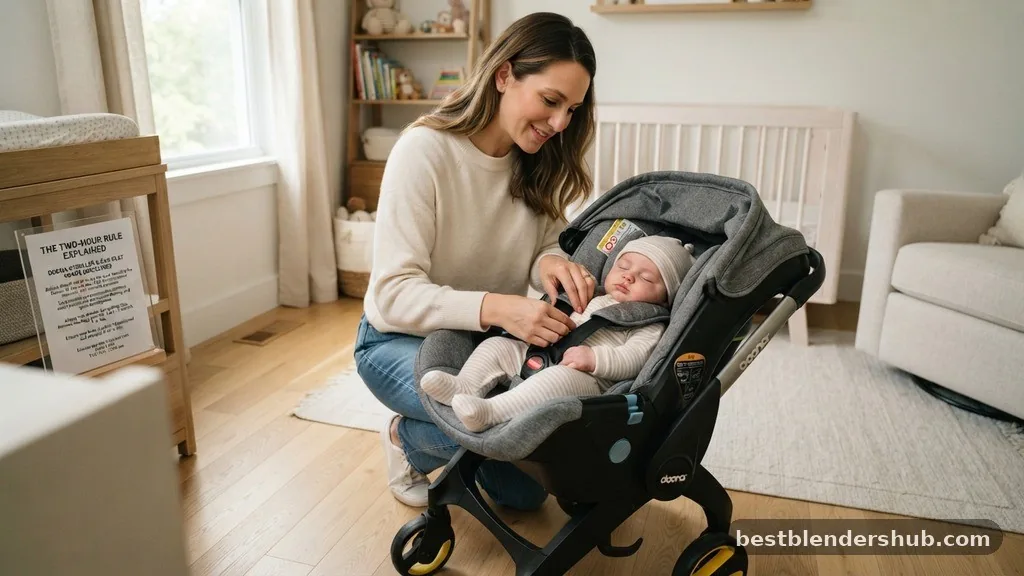
Determining how long can a baby stay in a Doona stroller is a common concern for parents who value the convenience of this innovative hybrid system. While the Doona simplifies transitions between car travel and walking, it remains an infant car seat at its core, subject to the same physiological constraints as any other mobile restraint system. Understanding these limits is essential for your child’s well-being, as extended time in a semi-reclined position can impact their comfort and safety.
By balancing the ease of use with pediatric guidelines, you can ensure your little one remains supported while on the go.
The Two-Hour Rule Explained 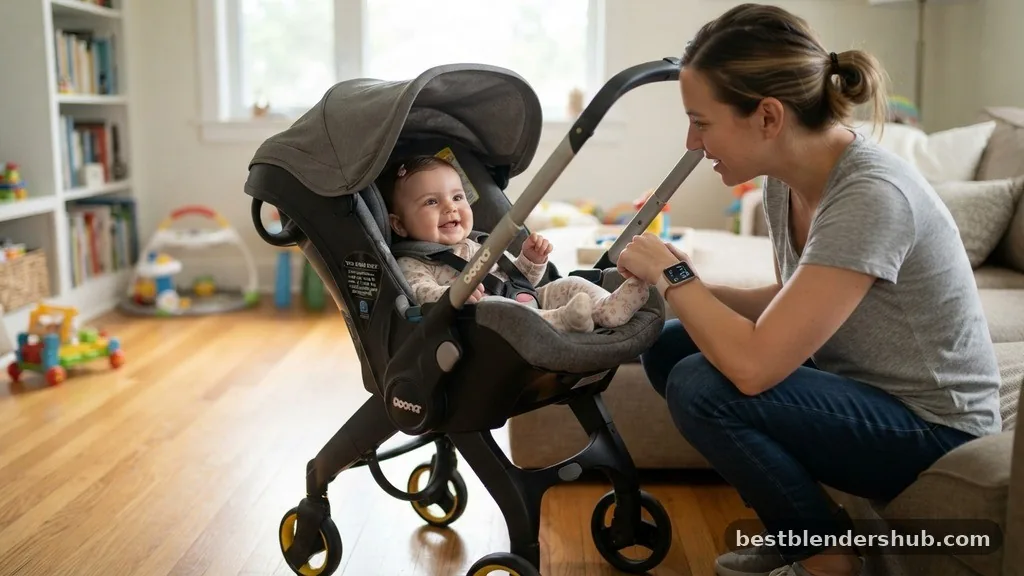
The primary guideline regarding how long a baby should remain in any car seat, including the Doona, is the two-hour rule. This recommendation suggests that infants should not spend more than two consecutive hours in a car seat during a 24-hour period. This is not merely a suggestion for convenience but a safety measure rooted in physical development.
When a baby is in an infant car seat, their body is positioned in a semi-upright, curved posture. While this is necessary for crash protection, it is not an ideal position for prolonged periods. The two-hour rule helps mitigate risks associated with restricted movement and potential breathing difficulties.
If you have a longer journey planned, experts recommend stopping to take the baby out, allowing them to stretch, lie flat on a level surface, and move their limbs freely.
Understanding the Risks of Prolonged Use
The main concern with keeping a baby in a car seat for extended durations involves the risk of positional asphyxia. Because an infant’s neck muscles are still developing, they may not have the strength to keep their airway open if their head tips forward. If their head can slump forward while they are sleeping in a slumped position, it can obstruct their breathing.
Even if the baby seems content, being confined in a fixed position for too long can lead to other issues. It may cause significant physical strain, causing discomfort to the infant’s spine and hips. Furthermore, infants require regular opportunities to lie flat to support muscle development and healthy circulation.
Always prioritize safe sleep practices and limitations to ensure your baby’s respiratory health is never compromised by their gear.
Identifying When to Transition Away
Knowing when your child has outgrown the device is just as important as monitoring time limits. The Doona is designed for infants up to a specific weight and height, and exceeding these limits compromises the safety efficacy of the seat. Growth milestones and weight limits serve as the hard boundaries for when you must move to a different type of seat.
Beyond the physical size constraints, watch for developmental cues. If your baby is consistently fussy, trying to climb out, or seems physically cramped, it is a clear sign that the seat no longer fits their needs. Transitioning away from the Doona usually happens when the baby reaches the maximum height or weight capacity, or when they become too active to remain securely harnessed in a single-position carrier.
| Metric | Constraint |
|---|---|
| Maximum Weight | 35 lbs (15.8 kg) |
| Maximum Height | 32 inches (81 cm) |
| Time Limit | 2 Hours (Recommended) |
| Sleep Usage | Only under supervision |
Addressing Common Concerns and Misconceptions

Many parents wonder if the convenience of the Doona makes it a substitute for a crib or a dedicated stroller. It is critical to recognize that even for short periods, the seat should be used as a transport device rather than a permanent resting place. If you are at a restaurant or visiting friends, try to remove the baby from the seat whenever possible.
A common misconception is that because the baby is sleeping soundly, they are safe to remain in the seat for several hours. This is dangerous. Sleep in a car seat is often shallower and less restorative than sleep on a flat mattress, and the risk of positional asphyxia remains present regardless of how quiet the baby seems.
Always move a sleeping baby to a safe, flat, and firm sleep environment as soon as you reach your destination.
Best Practices for Daily Use
To maximize safety while using your Doona, integrate specific habits into your routine. These small changes ensure that you aren’t accidentally keeping your baby in the seat for longer than intended.
- Always check that the harness is snug and the chest clip is at armpit level.
- Avoid using aftermarket inserts that could interfere with the seat’s geometry.
- Set a timer on your phone if you are running errands to keep track of the two-hour limit.
- Use the stroller mode on flat, even ground to ensure the seat remains level.
- If you notice your baby’s head dropping forward, adjust their position immediately.
- Never leave the baby unattended in the seat while it is placed on a table or high surface.
Beyond the Two-Hour Limit
When travel necessitates longer times, beyond the time-based recommendations, parents must be proactive. If you are on a road trip, plan your stops carefully. Use those breaks to take the baby out, check their diaper, and let them have some “tummy time” or lie flat on a blanket.
Car seat safety is a dynamic process that evolves as your child grows. While the Doona is a fantastic tool for modern parenting, it is just one component of your travel gear. By adhering to the core safety principles and recognizing the developmental needs of your infant, you can enjoy the benefits of the product without compromising their health.
Frequently Asked Questions
How long can a baby safely stay in a Doona at one time?
You should limit continuous use to two hours to ensure proper breathing and physical comfort for your infant.
Is the two-hour rule strictly for the Doona?
No, the two-hour rule applies to all infant car seats to prevent positional asphyxia and spinal strain.
Can my baby sleep in the Doona overnight?
No, the Doona is not a substitute for a crib and is not safe for unsupervised overnight sleep.
What happens if my baby’s head slumps forward?
If their head slumps, it can restrict their airway, so you must reposition them immediately to breathe easier.
When should I stop using the Doona entirely?
Stop using it when your child reaches the weight or height limit, typically 35 pounds or 32 inches.
Does the Doona count as a stroller for long walks?
It is designed for transport, but for long walks, prioritize taking the baby out for regular movement breaks.
Why is a flat surface better than a car seat for sleeping?
A flat, firm surface supports healthy spinal development and reduces the risk of accidental airway obstruction during sleep.
Understanding the balance between convenience and safety is the hallmark of responsible parenting. While the Doona is an incredible piece of engineering designed to simplify your daily life, it remains essential to respect the physiological needs of your developing child. By following the two-hour rule and keeping a close watch on your baby’s position, you ensure that every outing is both stress-free and secure.
If you find yourself frequently pushing these time limits, consider whether a more traditional stroller might be a better fit for your specific lifestyle. Keeping your child safe is always the top priority, and staying informed about how long can a baby stay in a Doona stroller will help you make the best decisions for your growing family.

Jamesmathew is an expert Amazon affiliate writer, helping readers discover top products, smart deals, and practical buying guides through honest reviews and insightful content.