

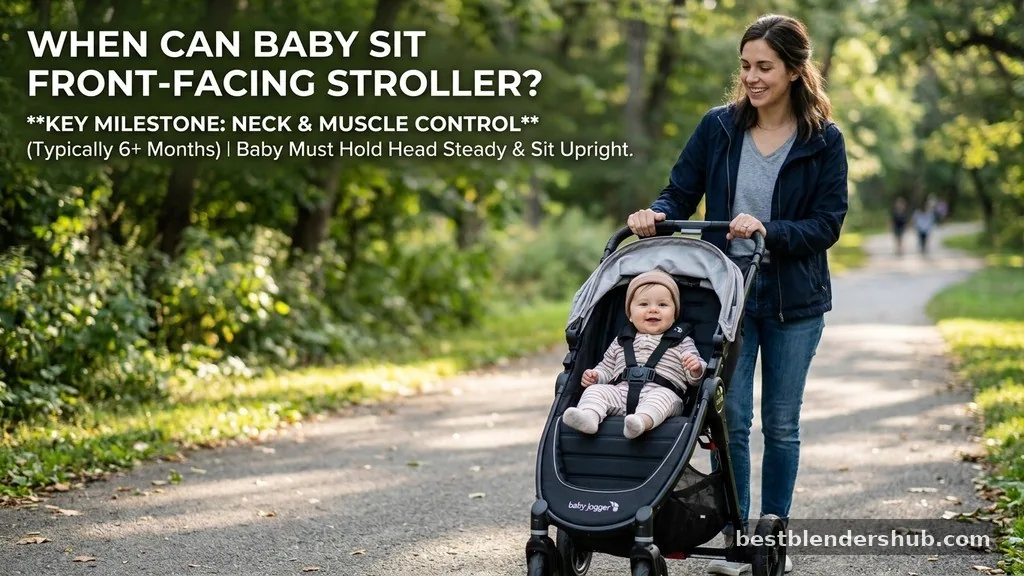
Determining when a baby can safely transition to a forward-facing stroller seat is a common concern for new parents. While many modern strollers offer versatility, placing a child in an upright seating position too early can compromise their comfort and safety.
Most experts suggest that a baby should generally be at least six months old before facing forward, primarily because they require sufficient neck control and trunk stability to handle the change in perspective and potential terrain bumps. Understanding your specific model’s stroller recline settings is essential for ensuring your little one remains secure and supported during every outing.
Developmental Readiness for Forward-Facing Strollers
The most accurate way to gauge when a baby can sit in a front facing stroller is by observing their developmental milestones. Physical maturity is the primary factor, as a baby needs to support their own head and torso before moving away from a parent-facing view.
The Role of Neck Control and Muscle Strength

A child must demonstrate solid neck control to hold their head steady without slumping. When a baby faces forward, they are more exposed to the environment and less supported by the stroller’s headrest than they are when facing the parent.
Sufficient core muscle strength is equally critical because it allows the infant to maintain an upright seating position without leaning excessively to one side. If your baby still struggles to sit up with support or frequently flops forward while in a bouncer or high chair, they are likely not yet ready for a forward-facing orientation.
Assessing Trunk Stability
Trunk stability refers to the ability of the infant to coordinate their core muscles to remain balanced. If you notice your child has strong head control but still lacks the ability to stabilize their torso, consider keeping them in a parent-facing transition mode for a few more weeks.
This ensures that even if they get tired, their back and head remain fully supported by the seat. Always prioritize their physical comfort over the convenience of a forward-facing view.
Navigating Stroller Features and Safety
Modern equipment is designed with varying capabilities, but the safety of your child depends on how you utilize those features. Using the right settings at the right time is the best way to prevent injury.
Stroller Recline Settings and Flat Positions
Before a baby reaches the age where they can sit upright, you should utilize the flat recline position. This setting mimics a bassinet, which is ideal for newborns who have not yet developed the muscle tone for sitting.
By keeping the seat fully reclined, you minimize the risk of the baby’s head falling forward, which can obstruct their airway. Many parents find that transitioning from a flat recline position to a semi-reclined angle helps the baby acclimate to the stroller before they eventually move to the full upright seating position.
The Importance of the Five-Point Harness

Regardless of the orientation, the five-point harness is your most important tool for safety. This restraint system secures the child at the shoulders, waist, and between the legs, preventing them from sliding down or climbing out.
Ensure the straps are snug enough that you can only fit two fingers between the harness and the baby’s chest. When switching to a forward-facing orientation, check the harness height to ensure the straps are at or slightly above the child’s shoulders.
Comparison of Stroller Configurations
Different stroller modes serve different purposes throughout a child’s growth. The following table illustrates the recommended usage based on developmental stages.
| Stroller Mode | Recommended Age | Primary Benefit |
|---|---|---|
| Bassinet / Flat Recline | 0 – 6 Months | Optimal spinal support and airway safety |
| Parent-Facing | 4 – 12 Months | Increased social interaction and monitoring |
| Forward-Facing | 6+ Months | Encourages environmental exploration |
Addressing Common Parental Concerns
Many parents worry about the emotional and physical impact of changing their child’s perspective. It is normal to wonder if the transition will be too overwhelming or if the baby will feel isolated.
Social Interaction and Monitoring
When a baby faces the parent, they gain a sense of security and constant visual feedback. This is why the parent-facing transition is often recommended for the first several months.
Once your baby shows a strong interest in their surroundings and begins to turn their head to track movement, they are likely ready to benefit from the forward-facing orientation. You can still maintain a connection by talking to them during the walk and checking on them frequently through the canopy window.
Infant Head Support and Comfort
For younger babies, adding an infant head support insert can provide extra stability during the transition period. These cushions fill the gap between the baby and the seat, preventing their head from wobbling on bumpy sidewalks.
Always ensure that any aftermarket support does not interfere with the effectiveness of the five-point harness. If the insert causes the harness to sit incorrectly, it is safer to remove it and wait until the baby is larger.
Topical Gaps: What Most Parents Miss
While most manuals provide weight limits, they rarely address the nuance of pediatric physical development regarding stroller use. One major oversight is the impact of terrain on a baby’s spine. If you frequently walk on uneven surfaces, the vibration can be significant for a child who lacks full core muscle strength.
In these cases, opting for a stroller with suspension systems and keeping the child in a more reclined position—even if they are old enough to sit up—can prevent unnecessary physical stress. Another common gap is the assumption that weight alone dictates readiness.
A baby who reaches the weight limit for an infant car seat compatibility system may not have reached the physical milestones necessary for a standard stroller seat. Always prioritize developmental readiness over weight capacity.
Practical Tips for a Successful Transition
Moving to a front-facing seat should be an incremental process. Start by using the forward-facing mode for short trips in familiar, quiet environments. This allows the baby to get used to the new sensory input without becoming overstimulated.
- Start with short, 15-minute walks to gauge how the baby responds to the new view.
- Ensure the ergonomic stroller seat is adjusted to the most upright position only when the child is awake and alert.
- If the baby becomes fussy, immediately switch back to the parent-facing mode to provide comfort.
- Check the stroller brakes and wheels before every outing, as an active baby in a forward-facing seat can shift the center of gravity.
- Keep the five-point harness tight and properly positioned, even if the baby protests initially.
- Avoid hanging heavy bags on the handles, which can make a forward-facing stroller prone to tipping.
Conclusion
Knowing when a baby can sit in a front facing stroller ultimately comes down to observing their growth and comfort. While six months is a common guideline, your child’s specific pediatric physical development—specifically their ability to hold their head up and sit with stability—is the true deciding factor. By utilizing stroller recline settings and ensuring the five-point harness is used correctly, you can safely allow your little one to explore the world around them.
Always monitor their reactions during the first few trips and be ready to revert to a more supported position if needed. Taking a slow, observant approach ensures that every outing remains a positive and secure experience for your growing child. We hope this information helps you feel confident as you navigate the many stages of early parenthood.
When can my baby start facing forward in a stroller?
Most babies are ready between six and twelve months, once they have strong head and neck control.
Is an upright seating position safe for a four-month-old?
Generally, no. A four-month-old usually lacks the necessary core stability and should remain in a reclined position.
Does the stroller recline setting matter for older babies?
Yes, keeping a slight recline is beneficial for napping and provides extra support for the baby’s developing spine.
How do I know if my baby has enough trunk stability?
If your baby can sit in a high chair without slumping to the side, they likely have sufficient stability.
Should I use an infant head support in the forward-facing mode?
Yes, if your baby still needs extra help keeping their head steady, an appropriate support insert is recommended.
Can a heavy baby face forward earlier than six months?
Weight does not equate to muscle development; always prioritize physical milestones like neck and core strength over weight.
How can I keep my baby safe during the forward-facing transition?
Use the five-point harness, keep trips short initially, and ensure the seat is adjusted to provide adequate support.

Jamesmathew is an expert Amazon affiliate writer, helping readers discover top products, smart deals, and practical buying guides through honest reviews and insightful content.