

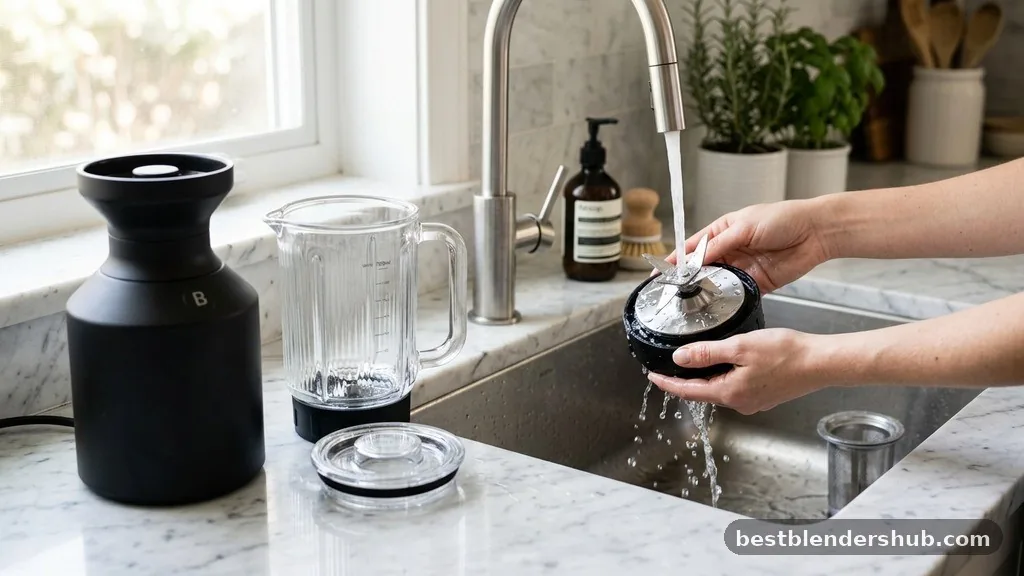
Keeping your kitchen equipment in top shape ensures that every smoothie or protein shake tastes as fresh as the first one you made. Learning the best way to clean your Beast blender helps prevent the buildup of stubborn food residue that can affect both the flavor of your drinks and the longevity of the appliance.
Whether you are using the Beast® Mega 1200 or the Beast® Mighty 850, regular maintenance is a simple process that keeps your machine running smoothly. By following a few straightforward steps, you’ll avoid common pitfalls like trapped odors or damaged seals, ensuring your blender remains a reliable tool in your daily wellness routine.
Daily Maintenance for Your Beast Blender
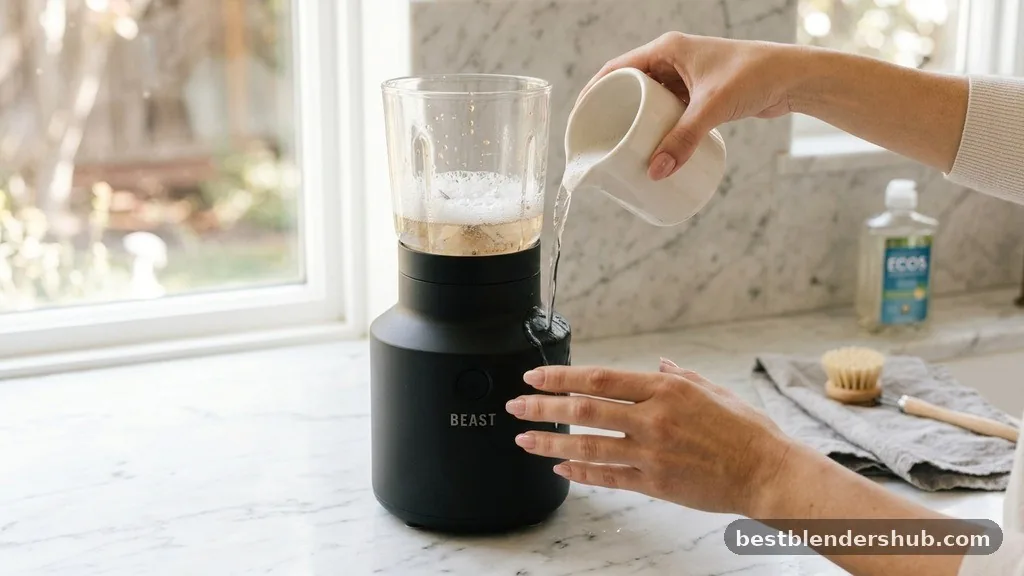
The most effective way to maintain your device is to clean it immediately after each use. Letting food particles dry inside the vessel makes the process significantly harder and can lead to staining or persistent smells. Since the blender blade assembly is designed for high-performance extraction, it often traps small bits of fruit or greens near the base.
To clean it quickly, fill the blending vessel halfway with warm water and add a single drop of dish soap. Secure the blade assembly, attach it to the motor base, and run a short pulse cycle for about 10 to 15 seconds.
This creates a vortex that dislodges debris from the blades and the walls of the container. Rinse the vessel and the lid thoroughly under running water, then place them upside down to air dry completely.
Deep Cleaning the Blade and Gasket
Occasionally, you need to perform a deep cleaning to ensure no buildup exists behind the silicone gasket. This component is vital for creating a leak-proof seal, but it can harbor bacteria if not cleaned properly. If you notice your blender starting to smell, it is usually because moisture or food particles have settled in this crevice.
To tackle this, carefully remove the gasket using a dull tool like a butter knife, taking care not to puncture the silicone. Soak the gasket and the blade assembly in a solution of warm water and mild soap for ten minutes. Use a soft bottle brush to scrub the underside of the blades and the interior of the gasket channel.
Once everything is scrubbed, rinse the parts thoroughly and allow them to air dry before reassembling. Never submerge the motor base in water, as this will damage the electrical components.
Addressing Stubborn Odors and Stains
If your vessel has retained an unpleasant scent from ingredients like garlic, ginger, or old protein powder, white vinegar and baking soda are your best friends. These household staples neutralize odors rather than just masking them. Create a paste with baking soda and a small amount of water, then apply it to the interior of the container.
Let the paste sit for about 20 minutes before scrubbing it gently with a soft sponge. For deeper sanitization, fill the vessel with a mixture of equal parts warm water and white vinegar.
Let this solution sit for an hour, then perform a quick pulse cycle to ensure the liquid touches every surface. Rinse the container extensively to remove any lingering vinegar taste before your next blending session.
| Component | Cleaning Method | Frequency |
|---|---|---|
| Blending Vessel | Warm water and dish soap pulse | After every use |
| Blade Assembly | Hand wash with bottle brush | Daily or after heavy use |
| Silicone Gasket | Remove and soak in soapy water | Weekly |
| Motor Base | Wipe with damp microfiber cloth | When dirty |
Addressing Common Cleaning Misconceptions
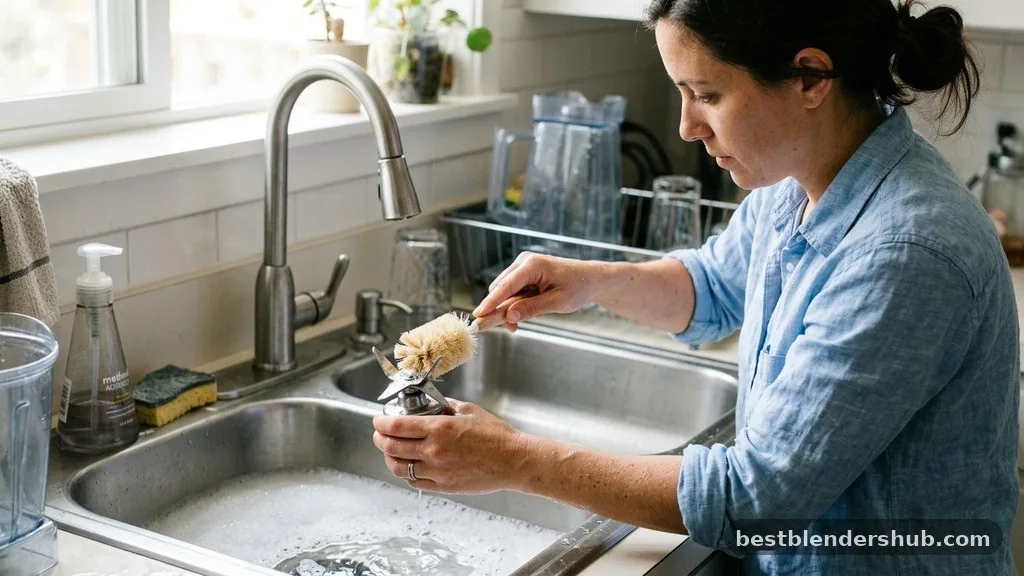
Many users wonder if their equipment is dishwasher safe. While the blending vessels are typically made of durable materials, the high heat of a dishwasher can degrade the plastic or damage the seal over time. Hand washing is almost always the preferred method to extend the lifespan of your blender components.
* Avoid using abrasive scrubbers that can scratch the interior plastic.
* Check the gasket for cracks or wear every few months.
* Always ensure the blade assembly is completely dry before storing it.
* Wipe the motor base with a damp cloth; never spray water directly onto the unit.
By adhering to these simple practices, you protect the investment you made in your appliance. Using a dishwasher might seem convenient, but the harsh detergents and intense heat can warp the seals, eventually leading to leaks during operation.
Topical Gaps in Blender Maintenance
One frequently overlooked aspect of maintaining these blenders is the care of the external housing. While the interior gets the most attention, the motor base can accumulate dust or accidental spills that dry into sticky patches. Keeping the exterior clean prevents these particles from entering the ventilation slots, which could potentially cause the blender to overheat or trigger warning lights.
Another gap involves the “stuck” blade issue. Sometimes, the blender blade assembly might feel stiff or sluggish. This often happens if sugar or fiber has hardened around the spindle.
If this occurs, avoid forcing the blade. Instead, soak the base in warm, soapy water to soften the residue. If you hear an unusual noise during the pulse cycle, stop immediately and inspect the area for small seeds or debris that might be physically obstructing the movement of the blades.
Troubleshooting Performance Issues
If your blender isn’t performing at its peak, the issue is rarely a mechanical failure and usually a maintenance one. Ensure the silicone gasket is seated perfectly flat in the groove. If it’s slightly twisted, it will create friction or an uneven seal, causing the motor to work harder than necessary.
If you encounter an orange light, this often indicates that the motor is overheating or the jar is not properly seated. Ensure you aren’t overfilling the vessel, as this puts excessive strain on the motor base. When you clean the vessel, make sure no moisture is trapped in the connection points, as this can interfere with the sensors that communicate with the base.
Frequently Asked Questions
Is it safe to put the Beast blender vessel in the dishwasher?
While some parts may seem durable, hand washing is recommended to prevent heat damage to the seals.
How often should I remove the silicone gasket for cleaning?
It is best to remove and sanitize the gasket weekly to prevent mold and bacteria buildup over time.
Why does my blender blade assembly smell bad?
Odors usually stem from food residue trapped under the gasket; deep clean it with vinegar and water.
Can I use harsh chemicals to clean the blender?
Avoid harsh chemicals, as they can degrade the plastic and silicone, potentially leaching toxins into your food.
What is the best way to clean the motor base?
Simply wipe the exterior with a damp microfiber cloth to remove dust and spills; never submerge it.
How do I fix a stiff blender blade?
Soak the blade assembly in warm, soapy water to dissolve stuck sugar or fibers preventing smooth rotation.
Will baking soda scratch the inside of my blending vessel?
Use a soft sponge or cloth with the baking soda paste to avoid creating micro-scratches on surfaces.
Ensuring Longevity for Your Appliance
Proper care for your blender is the most effective way to keep your morning routine consistent and enjoyable. By integrating these simple cleaning habits into your daily flow, you prevent the accumulation of food residue and keep the silicone gasket in peak condition. Remember that the motor base requires gentle care, while the vessel and blender blade assembly benefit from a thorough scrub after every use.
If you notice any lingering odors, a quick soak in white vinegar will restore the freshness of your equipment without the need for harsh detergents. Taking just a few minutes to clean your device properly after each session ensures it remains a powerful, reliable part of your kitchen. If you have any specific tips or tricks that have worked for you, feel free to share them, as keeping these machines in great shape is a team effort for all wellness enthusiasts.

Jamesmathew is an expert Amazon affiliate writer, helping readers discover top products, smart deals, and practical buying guides through honest reviews and insightful content.