

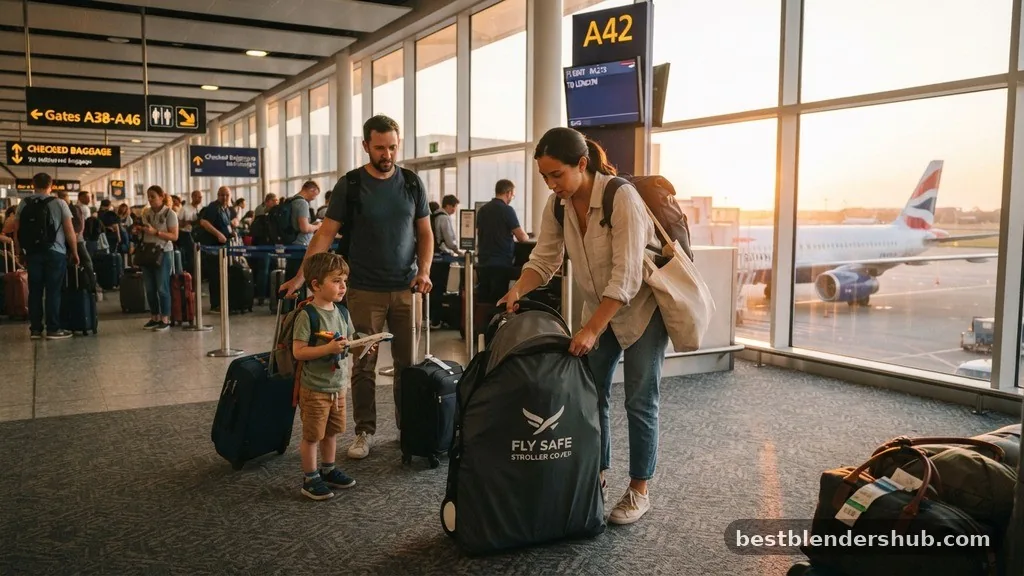
Deciding whether you really need a stroller bag for airplane travel often comes down to balancing the cost of your gear against the realities of airport logistics. Many parents wonder if the extra effort of bagging their equipment is worth the hassle, especially when rushing through terminals with children in tow.
While airlines rarely mandate a specific cover, protecting your investment during the gate-check process is a practical step to avoid common wear and tear. Understanding the risks associated with luggage handling and the specific requirements of your carrier will help you determine if a protective sleeve is a necessary addition to your travel routine.
Why Stroller Protection Matters During Air Travel
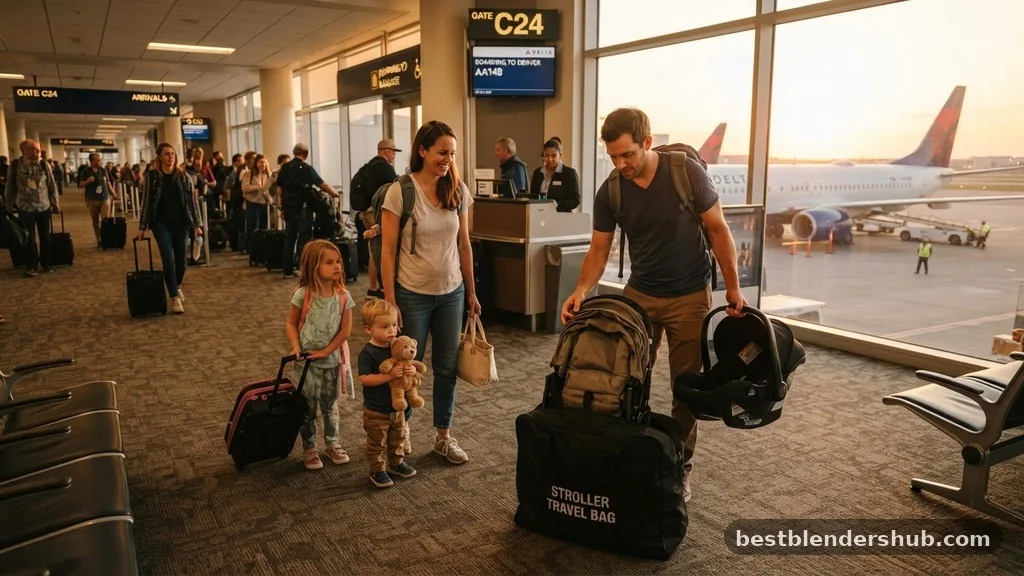
You don’t technically need a specialized bag to get your equipment onto a plane, but you certainly need one to keep it in good condition. When you hand over your baby gear at the jet bridge, it enters a chaotic environment where it is tossed into the cargo hold alongside heavy suitcases. Without a protective cover, your stroller is exposed to grease, hydraulic fluid, and rough surfaces that can easily stain or tear delicate fabrics.
Most parents find that the peace of mind offered by a sturdy bag outweighs the modest inconvenience of packing it. Airport ground crews are rarely delicate with items that aren’t marked as fragile, and a stroller without a cover is essentially just a collection of moving parts waiting to be bent or scratched. Investing in a durable nylon bag provides a physical barrier that keeps your gear contained, clean, and significantly less likely to suffer from accidental damage during transit.
Evaluating Airline Policies and Gate-Checking
Every airline policy differs regarding how they handle strollers, but most allow you to gate-check them for free. This means you can use your stroller all the way to the aircraft door, where it is then tagged and taken down to the hold. While this is convenient, it also means your stroller is handled separately from your standard checked baggage, often in a tighter, more cramped space.
It is helpful to check your specific airline’s website before you arrive at the airport to see if they have restrictions on the size or type of stroller allowed at the gate. Some carriers might require you to check larger, full-sized strollers at the main counter, which makes a protective bag even more essential since these items will undergo the full rigors of the standard luggage sorting system.
Comparing Stroller Protection Options
| Feature | Standard Stroller Bag | Heavy-Duty Padded Bag | Plastic Gate-Check Bag |
|---|---|---|---|
| Durability | Moderate | High | Low |
| Protection Level | Surface protection | Impact and scratch protection | Dirt and moisture only |
| Ease of Use | Fast packing | Slower, requires folding | Very quick |
| Price Point | Budget-friendly | Premium investment | Disposable/Cheap |
The Benefits of Using a Padded Stroller Bag
A padded stroller bag offers a level of security that thinner covers simply cannot match. If you are traveling with an expensive travel stroller or a high-end model, the padding acts as a buffer against hard impacts that could snap plastic clips or bend metal frames. Many of these bags are designed to be water-resistant, which is a major advantage if your stroller sits on the tarmac in the rain while waiting to be loaded.
Choosing a model with a compact fold is vital for parents who want to keep their travel setup as light as possible. You want a bag that fits snugly around your stroller to prevent excess fabric from getting caught in airport conveyor belts or cart wheels. Look for features like reinforced handles and heavy-duty zippers, as these are the components most likely to fail under the stress of frequent travel.
Common Risks of Flying Without a Cover
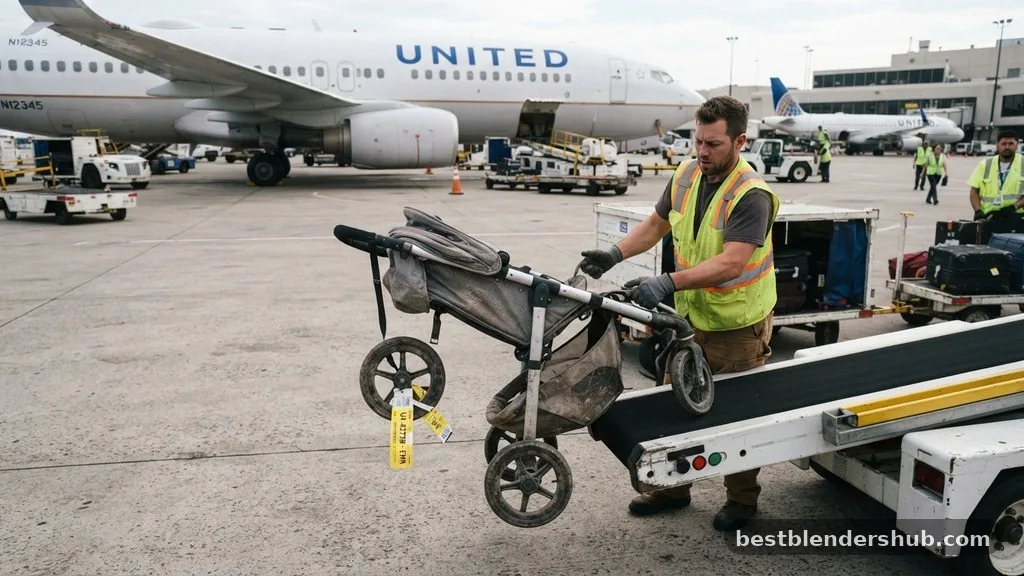
Choosing not to use a bag means accepting the possibility of stroller damage that might not be covered by airline insurance. Most carriers have strict liability limitations for baby equipment, often stating they are not responsible for minor cosmetic issues like scuffs, stains, or torn fabric. When you skip the bag, you are essentially leaving your equipment vulnerable to the grime of the airport ramp.
* Grease and oil stains from aircraft machinery.
* Scratches and dents to the frame from heavy luggage.
* Lost accessories that can fall off during transit.
* Broken buckles or latches caused by shifting cargo.
* Exposure to moisture if left on the tarmac during inclement weather.
Addressing Topical Gaps in Stroller Protection
Many parents ask if they should remove wheels or accessories before bagging their stroller. Generally, if you have a compact fold stroller, you should fold it as small as possible to minimize the chance of parts snapping off. If your model requires removing wheels, keep them inside the bag with the frame to ensure they don’t get separated during the chaotic baggage claim or gate-check process.
Another common concern involves TSA security screening and whether you need to take the stroller out of the bag. You almost never need to put the bag itself through the X-ray machine unless it contains other items. Security officers will usually inspect the stroller separately if it needs to be screened, so keep your bag easily accessible until you have cleared the checkpoint.
Tips for Managing Stroller Gear at the Airport
Efficiency is the name of the game when traveling with children. Practice folding and bagging your stroller at home before your trip to ensure you can do it quickly under pressure at the gate. If you struggle to get your stroller into the bag in under sixty seconds, you may want to look for a model with a wider opening or a simpler drawstring design.
Labeling your bag is also a smart move. Even if you use a high-quality cover, it can easily look like everyone else’s black nylon bag.
Add a bright luggage tag or a piece of neon ribbon to the handle so you can spot it immediately when you arrive at your destination. This simple step saves time and ensures your gear isn’t accidentally picked up by another passenger.
When to Consider Renting Instead of Bringing Your Own
If you are worried about the wear and tear of flying, renting baby gear at your destination is a viable alternative. Many services now offer high-quality, sanitized equipment that is waiting for you at your hotel or rental property. This eliminates the need for a stroller bag for airplane travel entirely, as you simply leave your own gear safely at home.
However, if you prefer the comfort and familiarity of your own stroller, don’t let the fear of damage stop you. A high-quality, durable nylon bag is a one-time purchase that can save you hundreds of dollars in repair or replacement costs over the life of your stroller. By taking the time to protect your gear, you ensure that your vacation starts with one less headache.
Frequently Asked Questions
Do airlines provide bags for strollers?
Most airlines do not provide bags, though some sell plastic covers at the gate for a small fee.
Is it worth buying a padded stroller bag?
Yes, if your stroller is expensive, the padding provides essential protection against structural damage and harsh handling impacts.
Can a stroller bag be used as a checked bag?
Yes, but check your airline’s weight limits, as some carriers count the stroller and bag toward weight allowances.
Will my stroller be protected from grease without a bag?
Not reliably; the tarmac is often dirty, and strollers are frequently exposed to hydraulic fluid and airport grime.
Does a stroller bag count as a carry-on item?
Typically, gate-checked items do not count toward your carry-on limit, but check with your specific airline carrier policy.
Should I remove the wheels before putting it in a bag?
Only if the manufacturer recommends it or if the stroller cannot be bagged securely without removing the wheels.
Can I put diapers or clothes inside the stroller bag?
Airlines generally prohibit packing extra items in stroller bags for safety and security reasons during ground handling.
Conclusion
Deciding whether you need a stroller bag for airplane travel often comes down to protecting your investment from the harsh reality of airport operations. While you can technically gate-check a stroller without any covering, the risk of damage from grease, dirt, and rough handling is significant. By using a durable, well-fitted bag, you safeguard your equipment and simplify your journey through the terminal.
Whether you opt for a basic protective sleeve or a heavy-duty padded carrier, the peace of mind is well worth the small investment. Before your next flight, take a moment to evaluate your stroller’s specific needs and choose the protection that best fits your travel style. Safe travels to you and your family as you head out on your next adventure.

Jamesmathew is an expert Amazon affiliate writer, helping readers discover top products, smart deals, and practical buying guides through honest reviews and insightful content.