

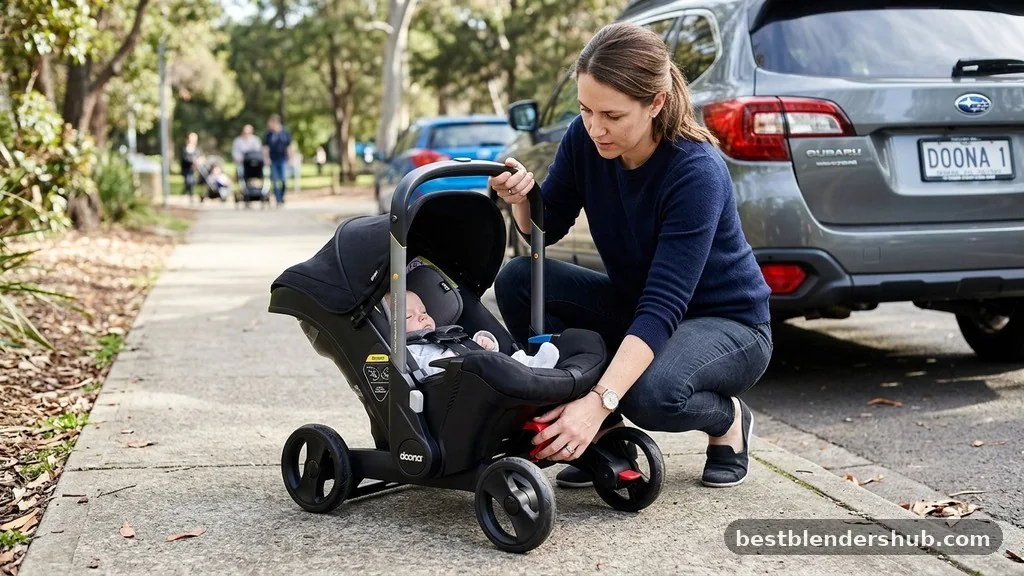
Mastering the mechanics of a Doona stroller is a rite of passage for many modern parents who value efficiency. Understanding exactly how to use this hybrid device transforms your daily routine, turning a standard car seat into a nimble stroller with just a few clicks.
Whether you are prepping for your first trip home from the hospital or upgrading your current gear, grasping the nuances of the wheel retraction mechanism and proper harness configuration ensures your little one remains secure and comfortable. Getting this right from day one saves time, reduces stress, and maximizes the utility of your investment.
Understanding the Core Functionality

The primary appeal of the Doona is its ability to transition from a vehicle-ready infant carrier to a functional stroller without needing a separate frame. To use it effectively, you must become intimately familiar with the wheel retraction mechanism. Located on the back of the unit, the release levers allow you to drop the wheels into place when you are ready to hit the sidewalk.
Conversely, when you are preparing for a car ride, you simply trigger the mechanism to tuck the wheels securely into the chassis. This movement is the foundation of the travel system design, and practicing it a few times while empty will build the muscle memory required for quick transitions in busy parking lots.
Installation Options for Your Vehicle
You have two primary ways to secure the seat in your car, depending on your vehicle’s equipment. Utilizing the car seat base is generally the most convenient method for families who use the same vehicle consistently.
Once the base is anchored using the LATCH system or the vehicle seat belt installation method, the seat clicks in and out with minimal effort. If you are traveling or using a secondary vehicle, you can opt for a base-free installation.
- Ensure the belt path is clearly identified by the blue guides on the seat frame.
- Always check that the seat is reclined to the correct angle indicated by the level line.
- Double-check that the shoulder belt passes through the rear guides and the lap belt sits firmly across the lap.
- Confirm the seat is locked tight by pulling firmly at the base rather than the top handle.
Positioning Your Newborn Safely

Safety begins with proper fit. You must use the infant insert and newborn head support provided with the unit until your baby reaches the weight or height limit specified in the manual. These components are not merely for comfort; they are critical for maintaining the airway and preventing the infant’s head from slumping forward.
When placing your baby in the seat, ensure their back is flat against the padding. The harness adjustment is equally vital; the straps should sit at or slightly below the shoulders. You should never be able to pinch any excess webbing at the collarbone area, and the chest clip must be positioned precisely at the level of your baby’s armpits.
Managing the Wheel Retraction Mechanism
Operating the wheels is a straightforward process, but it requires a specific sequence to prevent damage to the frame. When you are ready to convert from a stroller to a car seat, lift the handle to the upright position. Press the red release button while simultaneously pushing the seat slightly downward.
The wheels will fold inward, locking into the underside of the seat. Always listen for an audible click, which signals that the wheels are fully locked into the “car seat” position.
If you feel resistance, stop and check for debris or ensure the handle is in the correct orientation. Never force the mechanism, as it is designed to move fluidly when engaged correctly.
Maintenance and Usage Tips
Keeping your gear in top shape extends the life of your equipment and ensures ongoing stroller safety. Regularly check the wheels for gravel or grit that might hinder the retraction process.
You should also inspect the webbing of the harness for any fraying or signs of wear. If you need to clean the fabric, remove it according to the manufacturer’s instructions, but avoid using harsh chemicals that could compromise the integrity of the fire-retardant materials.
| Component | Maintenance Frequency | Action Required |
|---|---|---|
| Harness Straps | Monthly | Check for fraying and ensure smooth retraction |
| Wheel Assembly | Bi-weekly | Remove debris and wipe with a damp cloth |
| Seat Fabric | As needed | Machine wash on cold/delicate cycle |
| Base Connectors | Quarterly | Inspect LATCH hooks for rust or damage |
Addressing Common Usage Gaps
Many users encounter confusion when transitioning from the original model to the Doona X or when attempting to use the unit with different vehicle types. One common issue is the angle of the seat during base-free installation. If the seat feels too upright, you may need a rolled towel or a pool noodle under the base to achieve the correct level indicator reading.
Another frequent point of confusion is the handle position. While the handle can be moved to various positions for carrying, it must be locked in the designated “anti-rebound” position when the seat is installed in a vehicle. Always verify that the handle is clicked firmly into the upright or rear-facing position before you start your engine.
Conclusion
Learning the ropes of a Doona stroller makes your life as a parent significantly more manageable. By focusing on the correct installation, ensuring your baby is properly harnessed, and keeping the wheel mechanism clean, you provide the highest level of security for your child. Whether you are navigating city streets or buckling in for a long road trip, these steps help you move with confidence.
Take the time to practice these techniques with an empty seat until every action feels like second nature. When you master the way your stroller functions, you spend less time wrestling with gear and more time enjoying those precious moments on the go with your little one.
FAQ
How do I properly install a Doona without a base?
Route the vehicle seat belt through the blue guides, ensuring it is tight and locked securely.
When should I remove the infant insert?
Remove the insert once your baby reaches the weight or height limit specified in your user manual.
Can I use the Doona stroller on public transportation?
Yes, it is compact and ideal for buses or trains, provided the wheels are locked and stable.
How do I know if the harness is tight enough?
Perform the pinch test; if you cannot pinch any excess webbing at the shoulder, it is secure.
Is the Doona stroller compatible with all car models?
Most vehicles with standard seat belts or LATCH systems are compatible, but always check your vehicle manual.
How often should I inspect the car seat for safety?
Perform a visual inspection of the harness, buckles, and wheel mechanism at least once every two weeks.
What is the purpose of the handle position in a car?
The handle acts as an anti-rebound bar, providing extra protection during a potential collision or impact.

Jamesmathew is an expert Amazon affiliate writer, helping readers discover top products, smart deals, and practical buying guides through honest reviews and insightful content.