

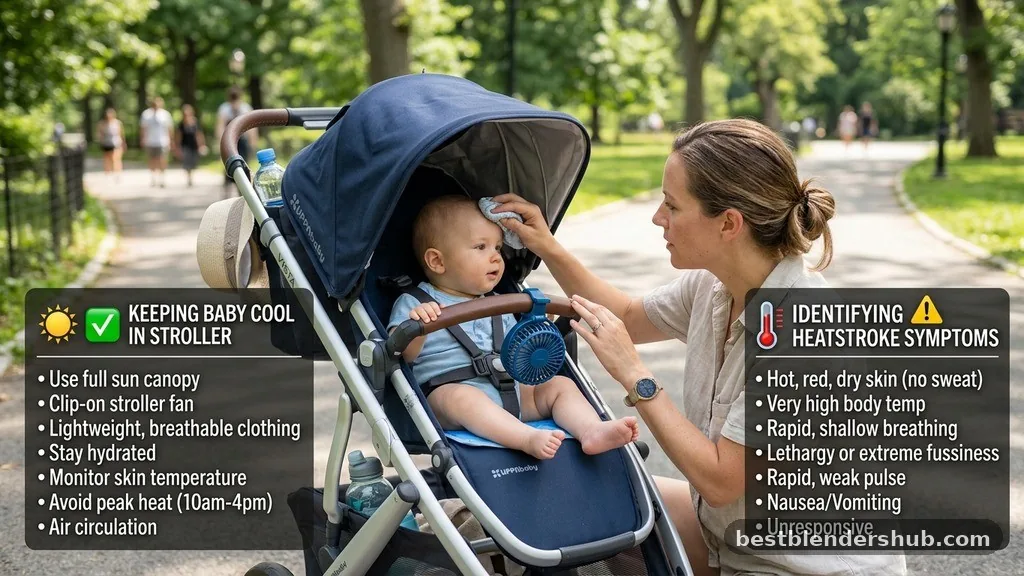
Managing your child’s body temperature during outdoor excursions is a priority for every parent, especially when the summer heat begins to rise. Knowing how to keep baby cool in stroller environments is essential because infants cannot regulate their internal thermostats as effectively as adults.
Small adjustments to your daily routine can prevent discomfort and ensure that your walks remain pleasant rather than stressful. By focusing on airflow, strategic sun management, and timing your outings, you can create a safe micro-climate for your little one regardless of the external weather conditions.
Understanding Infant Overheating Risks
Infants are highly susceptible to infant overheating because their bodies have a higher surface-area-to-body-mass ratio. This means they absorb heat faster and lose it more slowly than older children or adults. Recognizing the signs of distress early is the best way to prevent dangerous outcomes like heat exhaustion.
Identifying Heatstroke Symptoms
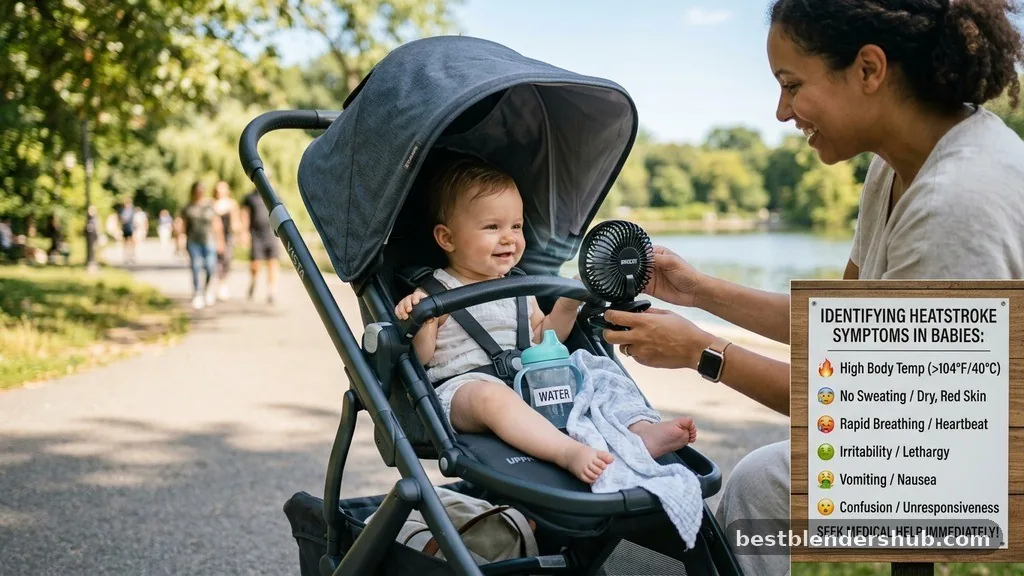
If you notice your baby is acting unusually lethargic, has flushed skin, or feels hot to the touch, you must take action immediately. Heatstroke symptoms in babies can escalate quickly, so watch for these specific warning signs:
* Excessive sweating or, conversely, skin that feels dry and hot.
* Rapid, shallow breathing.
* Irritability or extreme fussiness that is difficult to soothe.
* Vomiting or signs of dizziness.
* A weak or rapid pulse.
If you observe these symptoms, move your baby to a cool, shaded area immediately and apply cool—not ice-cold—cloths to their forehead and chest. Offer fluids if appropriate for their age, and seek professional medical assistance if they do not improve within a few minutes.
Optimizing Air Circulation Around the Baby
The most common mistake parents make is draping a thick blanket over the opening of a stroller to block the sun. This creates a “greenhouse effect,” trapping hot air inside and drastically reducing air circulation. Instead of blocking the airflow, you need to facilitate it.
Using a portable stroller fan is one of the most effective ways to keep a consistent breeze moving across your baby. Ensure the fan is securely attached out of reach of tiny fingers and pointed toward the baby’s feet or legs, not directly into their face. This constant movement of air helps evaporate moisture from the skin, which is the body’s natural cooling mechanism.
Choosing the Right Stroller Accessories
The accessories you choose can either help or hinder your efforts. Avoid heavy synthetic materials that trap heat.
Instead, look for accessories made from breathable fabric or natural fibers like bamboo or cotton. A specialized stroller liner made with moisture-wicking technology can also prevent your baby’s back from getting sweaty against the padded seat.
| Accessory Type | Function | Cooling Benefit |
|---|---|---|
| Stroller Fan | Active Airflow | High |
| UPF 50+ Canopy | Sun Blocking | Medium |
| Cooling Liner | Moisture Control | High |
| Parasol | Directional Shade | Medium |
Managing Sun Exposure and UV Protection
Direct sunlight is the primary source of heat gain during an outdoor walk. Protecting your baby from harmful radiation is just as important as managing the ambient temperature. A high-quality UPF 50+ canopy is your first line of defense, as it blocks the majority of harmful rays while still allowing for some airflow if the sides are left open.
Strategic Sun Management
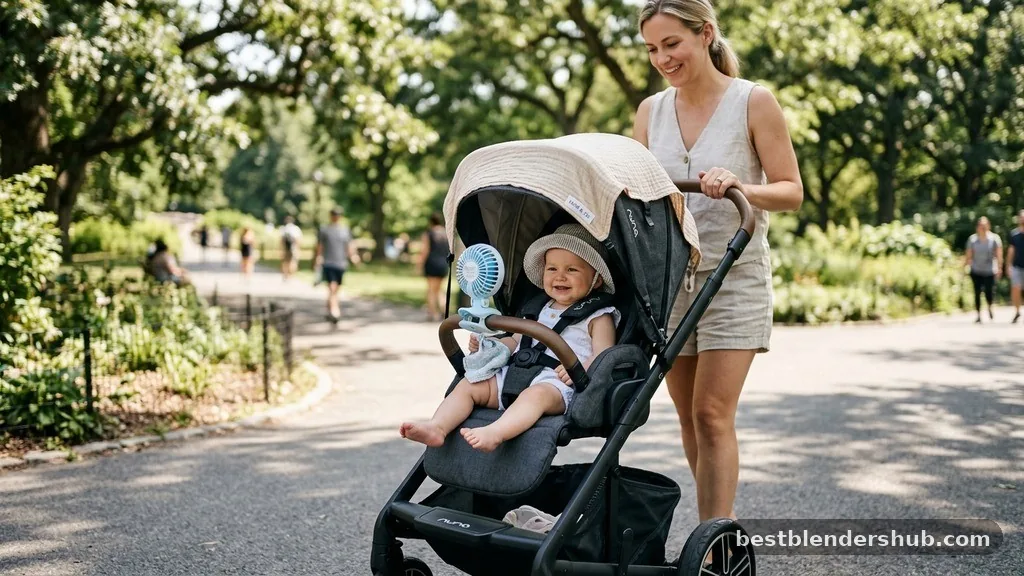
When the sun is at its peak, usually between 10:00 AM and 4:00 PM, try to plan your shaded walking routes. Parks with dense tree cover or streets with tall buildings providing consistent shade are ideal. If you must be out during high-UV periods, consider using a parasol that can be adjusted to block the sun from specific angles as you move.
Always check the position of the sun periodically. A stroller sunshade or extendable canopy needs to be adjusted frequently to ensure your baby remains in the shade. Remember that reflected light from pavement or water can still reach your baby, so ensure they are dressed in light, loose-fitting clothing that offers UV protection.
Addressing Humidity and Environmental Factors
While temperature is the most obvious factor, humidity levels play a massive role in how hot a baby feels. High humidity prevents sweat from evaporating, which makes the air feel much hotter than the thermometer suggests. On extremely humid days, even a moderate temperature can be dangerous.
Hydration Strategies
Hydration is critical when you are out and about. For breastfed or formula-fed infants under six months, frequent feeds are necessary to maintain hydration levels.
If your baby is older and has started solids, you may be able to offer small amounts of water, but always consult your pediatrician first. Watch for signs of dehydration, such as fewer wet diapers than usual or a dry, parched mouth.
Common Myths vs. Reality in Stroller Cooling
Many parents rely on outdated advice that can actually be harmful. It is common to believe that a thin muslin blanket draped over the stroller protects the baby, but this is a major safety concern.
* Myth: A thin blanket provides shade without blocking air.
* Reality: Even thin fabric significantly restricts airflow, causing the temperature inside the stroller to rise by several degrees within minutes.
* Myth: If the baby is quiet, they are comfortable.
* Reality: An overheated baby may become lethargic and quiet, which can be mistaken for sleeping.
* Myth: You should keep the stroller closed to keep the “cool air” inside.
* Reality: Strollers are not refrigerators; they require constant ventilation to prevent heat buildup.
Topical Gaps: Beyond the Basics
Many resources fail to address the specific cooling needs of different stroller types or the impact of the baby’s clothing layers. A travel system with a heavy car seat attachment, for instance, holds much more heat than a lightweight umbrella stroller with a mesh seat.
If you are using a travel system, consider removing the car seat insert or using a dedicated cooling mat designed for infant car seats. Furthermore, parents often over-dress their babies.
A good rule of thumb is to dress your baby in one more layer than you are wearing, but in summer, this rule should be adjusted to “the same as you.” If you are comfortable in a t-shirt, your baby likely does not need a onesie and a blanket.
Maintaining Comfort During Summer Outings
To ensure your outings remain safe and enjoyable, follow these practical steps:
- Check the temperature inside the stroller by placing your hand near the baby’s chest or back every 15 minutes.
- Avoid using heavy plastic rain covers during sunny days, as they create an oven-like environment.
- Plan your outings for the early morning or late evening when solar radiation is at its lowest.
- Keep a spray bottle with cool water handy to mist the air around the stroller, which helps cool the surrounding micro-climate.
- Ensure the stroller’s seat back is in a reclined position if possible, as this allows for better air circulation around the baby’s body.
Conclusion
Keeping your baby cool in a stroller is primarily about managing airflow and minimizing direct heat exposure. By avoiding the temptation to cover the stroller with blankets and instead utilizing fans, breathable materials, and shaded paths, you create a much safer environment. Always stay vigilant for signs of distress and prioritize hydration throughout your day.
These small, deliberate choices make a significant difference in your baby’s comfort and safety. As you gain experience with your specific stroller model, you will find it easier to adapt to changing weather conditions on the fly. If you have specific concerns about your baby’s health or heat sensitivity, do not hesitate to reach out to your pediatrician for personalized advice tailored to your climate and lifestyle.
Frequently Asked Questions
What is the best way to keep my baby cool in a stroller?
Use a battery-operated fan, prioritize shaded routes, and keep the stroller canopy open for maximum air circulation.
Is it safe to cover a stroller with a muslin blanket?
No, it is dangerous because it blocks airflow and traps heat, significantly increasing the risk of infant overheating.
How can I tell if my baby is too hot?
Check for flushed skin, rapid breathing, excessive sweating, or a hot chest and back during your walk.
What temperature is too hot for a baby in a stroller?
Temperatures above 80°F (27°C) require extreme caution, frequent hydration, and constant monitoring for signs of heat distress.
Are stroller fans safe for babies?
Yes, provided they are securely attached out of reach and are not pointed directly into the baby’s face.
How do I protect my baby from the sun without trapping heat?
Use a UPF 50+ canopy, a clip-on parasol, or dress your baby in lightweight, long-sleeved UV-protective clothing.
What should I do if my baby shows signs of heatstroke?
Move them to shade immediately, offer fluids, apply cool cloths to their body, and seek medical help.

Jamesmathew is an expert Amazon affiliate writer, helping readers discover top products, smart deals, and practical buying guides through honest reviews and insightful content.