

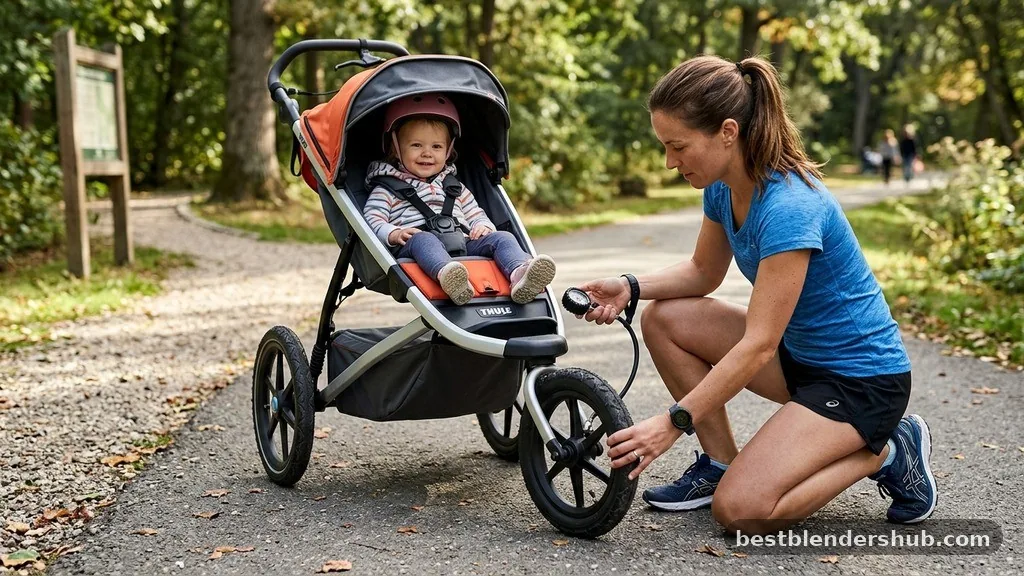
Running with a jogging stroller transforms your daily exercise routine into a shared adventure, allowing you to maintain your fitness goals while bonding with your child. Mastering the mechanics of pushing a specialized carriage requires more than just a sturdy frame; it demands attention to your posture, equipment safety, and the specific developmental needs of your passenger.
By focusing on proper technique and selecting the right gear, you can turn those miles into a comfortable experience for both you and your little one. Whether you are aiming for a quick neighborhood loop or a longer training run, learning how to run with a jogging stroller effectively will keep you moving forward safely.
Essential Safety Protocols Before You Start
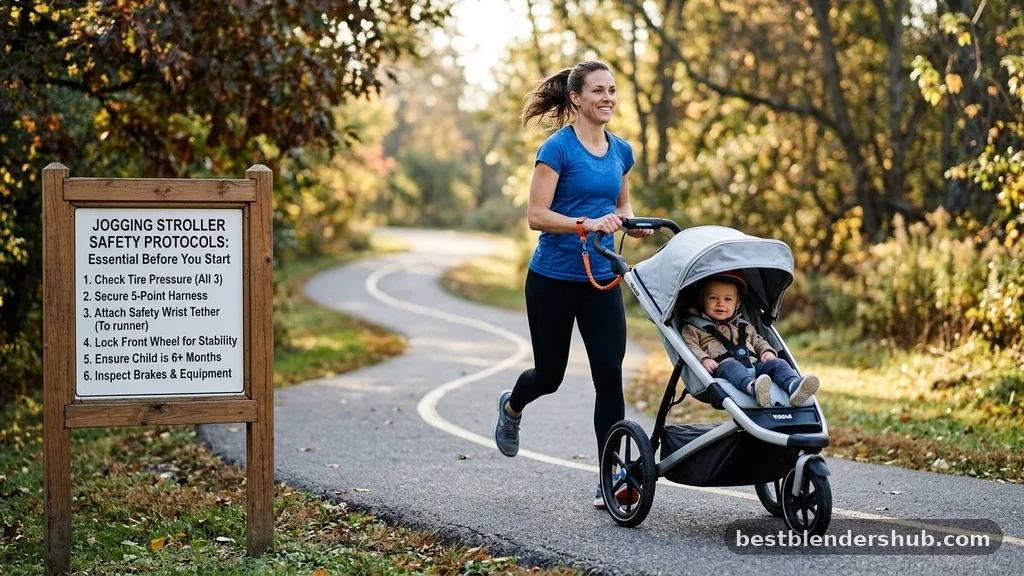
Before hitting the pavement, prioritize your child’s physical readiness and equipment security. A pediatrician clearance is the primary step, as most experts recommend waiting until a baby is at least six to eight months old before they join you for a run.
At this age, their neck muscles are typically strong enough to handle the vibrations of the road. Always ensure your child has adequate infant neck support if they are on the younger side of that range.
Check your gear thoroughly every time you head out. A reliable five-point harness is non-negotiable for keeping your passenger secure during movement. Before you begin your first mile, perform these quick safety checks:
- Inspect the suspension system to ensure it is adjusted for your child’s weight.
- Test the hand brake to confirm it provides adequate stopping power on inclines.
- Secure the wrist safety strap to your arm before taking your first step.
- Verify that the tires are properly inflated to handle your intended terrain suitability.
Mastering Proper Running Form
Maintaining efficient running form while pushing a stroller is significantly different from running solo. Many runners make the mistake of leaning too far forward or hunching over the handlebars, which can lead to lower back pain and reduced efficiency.
Instead, aim to stand tall with your shoulders relaxed. Keep your hands lightly on the handlebar, but avoid gripping it with a death-grip, as this tension travels up your arms and into your neck.
Focus on your core engagement to stabilize your torso against the slight resistance of the stroller. If you find yourself constantly hunching, try running with one hand on the bar and allowing your other arm to swing naturally.
This small adjustment can help you maintain a more fluid stride length and improve your overall posture. Remember that your goal is to guide the stroller, not fight it, so keep your movements smooth and rhythmic.
Understanding Stroller Features and Performance
The design of a jogging stroller directly impacts your performance and comfort. A fixed front wheel is the gold standard for dedicated runners because it provides superior stability at higher speeds, preventing the wobbling often seen with swivel wheels. If you opt for a model with a swiveling front wheel, ensure it features a locking mechanism that secures the wheel firmly in place before you start your run.
All-terrain tires are another critical component, especially if your route includes gravel paths, park trails, or uneven sidewalks. These tires absorb shock better than standard plastic wheels, creating a smoother ride for your child. The following table highlights key features to look for when choosing or assessing your equipment:
| Feature | Primary Benefit | Ideal Use Case |
|---|---|---|
| Fixed Front Wheel | Maximum Stability | Road running and high speeds |
| Adjustable Handlebar | Ergonomic Comfort | Accommodating different runner heights |
| Hand Brake | Speed Control | Hilly routes and downhill descents |
| Suspension System | Vibration Reduction | Uneven paths and long-distance runs |
Addressing Common Challenges
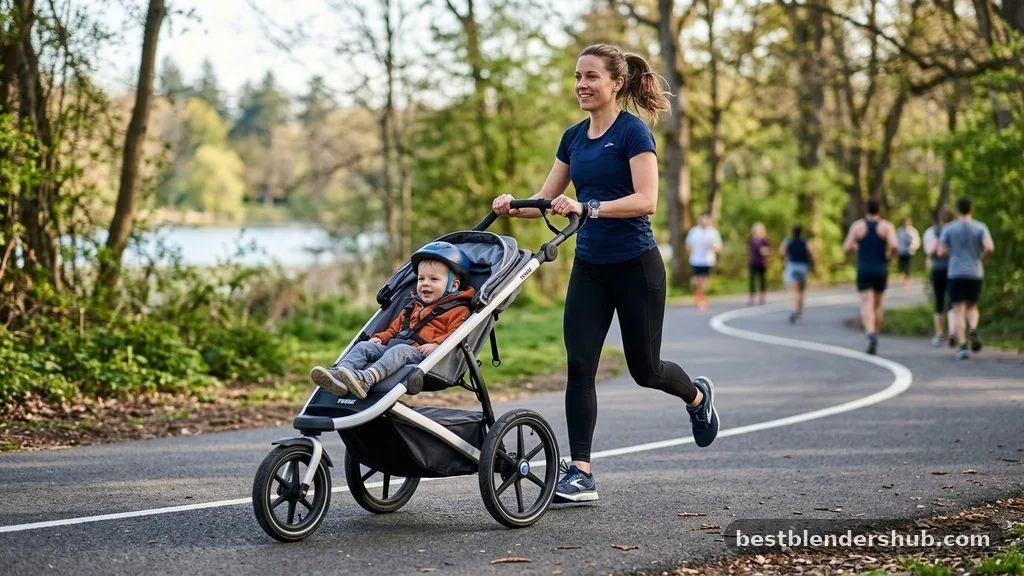
New parents often wonder how to manage the added weight and the logistical hurdles of bringing a child along. One common issue is pace management; you will likely find that your average speed drops by 30 to 60 seconds per mile. Do not feel discouraged by this.
Your heart rate will still reach your target training zones because you are doing extra work to push the stroller. Treat these runs as strength-building sessions rather than attempts to set personal records.
Another challenge involves managing supplies during longer outings. Most modern strollers come equipped with hydration storage and pockets for snacks or diapers. Utilize these compartments to keep your essentials organized so you aren’t distracted mid-run.
If you are using an infant car seat adapter, ensure it is fully clicked into place and that the car seat itself is locked securely before you begin. Never attempt to run with a car seat that is merely resting on the stroller frame without proper fastening hardware.
Optimizing Your Route and Environment
Choosing the right path is just as important as your running technique. Avoid busy intersections or areas with high vehicular traffic, as the stroller puts you slightly further into the road. Stick to wide bike paths or residential streets with low speed limits.
Always be mindful of the weather, as your child is sitting still while you are generating body heat. Check the canopy frequently to ensure they are shielded from direct sunlight and that they have proper airflow.
If you are running in the early morning or late evening, visibility becomes a major concern. Attach reflective gear or flashing LED lights to the stroller frame to ensure you are seen by drivers. Plan your route to include familiar terrain where you know the sidewalk conditions, as small cracks or debris that you might step over easily can be a hazard for the stroller’s smaller front wheel.
Topical Gaps: What Most Guides Miss
Many articles focus on the gear itself but ignore the psychological and physiological transition of becoming a “stroller runner.” A significant gap in existing advice is the importance of “dry runs.”
Before taking your child on a long-distance run, practice pushing the stroller empty or with a weighted bag to get a feel for how the frame handles turns and stops. This helps you gain confidence before adding the precious cargo of your child.
Another overlooked aspect is the impact of wind resistance. A large, bulky stroller acts like a sail. On particularly gusty days, you will feel the added resistance much more intensely.
Adjust your effort level accordingly to avoid burnout. Finally, many guides fail to mention the importance of post-run stretching for the parent. Pushing a stroller engages your shoulders and chest differently than solo running, so take extra time to stretch your upper body after you finish your workout.
FAQ: Common Questions
Can I use a regular stroller for jogging?
No, regular strollers lack the necessary suspension, stability, and braking systems to handle running speeds safely.
At what age can a baby go in a jogging stroller?
Most pediatricians recommend waiting until the child is six to eight months old for proper neck support.
How does pushing a stroller affect my running pace?
Expect a decrease in pace due to the added weight and resistance, often by one minute per mile.
Should I lock the front wheel when running?
Yes, always lock the front wheel to ensure stability and prevent the stroller from veering or wobbling dangerously.
Is it safe to run with a newborn in a car seat adapter?
Only if the stroller is designed for it and you stick to walking or very light jogging on smooth surfaces.
How do I prevent back pain while pushing the stroller?
Maintain an upright posture, avoid hunching over the handle, and engage your core throughout the entire run.
What is the purpose of the wrist safety strap?
The strap prevents the stroller from rolling away if you trip or accidentally lose your grip while running.
Moving Forward with Your Training
Integrating a jogging stroller into your routine is a rewarding way to balance parenthood with your personal health goals. By focusing on your core stability, choosing the right paths, and ensuring your equipment is correctly maintained, you can enjoy many miles together. Remember that consistency matters more than speed, and the time spent outdoors with your child provides benefits that extend far beyond the physical workout.
Start with shorter, flat routes to build your confidence and your child’s comfort level before increasing your distance. As you grow more accustomed to the mechanics of pushing, you will find that these runs become a highlight of your day. Keep your focus on safety and enjoyment, and you will find that running with a jogging stroller is a sustainable way to stay fit.

Jamesmathew is an expert Amazon affiliate writer, helping readers discover top products, smart deals, and practical buying guides through honest reviews and insightful content.