

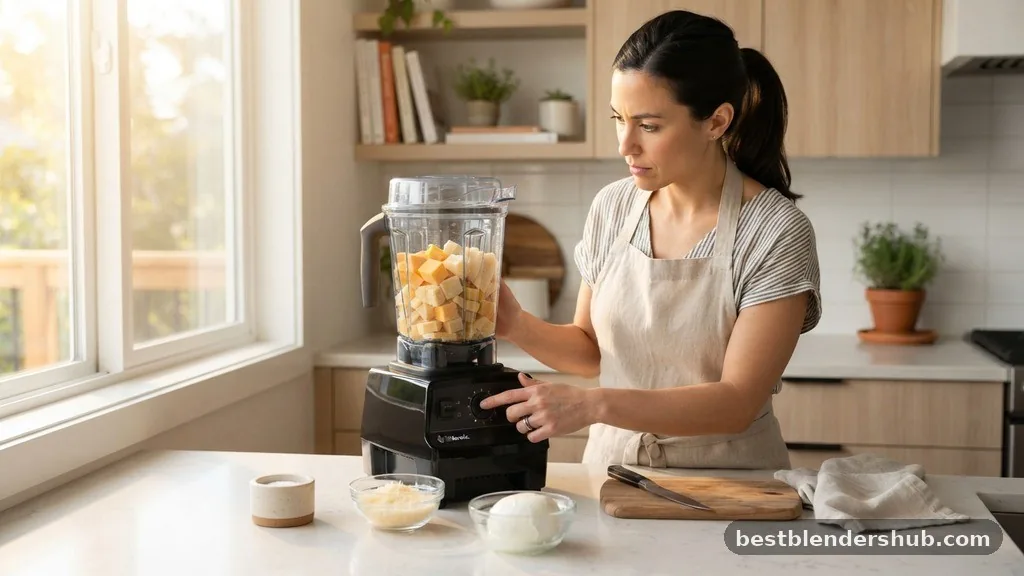
Many home cooks wonder if they can shred cheese in a blender when they find themselves without a traditional box grater. While the idea seems efficient, the outcome often depends on the specific type of cheese and the power of your machine. Using a blender to process dairy can quickly turn a firm block into a clumped, unappetizing mess if you aren’t careful about technique.
Understanding the mechanics of how a blade interacts with the dairy moisture content is essential for success. This article explores the realities of using your kitchen appliances for cheese preparation so you can achieve the perfect consistency for your next meal.
The Mechanics of Blending Versus Grating
The primary difference between using a box grater and a blender lies in how the blades interact with the food. A grater uses sharp, static edges to shave small, uniform pieces off a block cheese, maintaining the structural integrity of the individual shreds. In contrast, a blender relies on high-speed rotating blades that are designed to liquefy or pulverize ingredients.
When you drop a piece of cheddar or Swiss into a blender, the blades don’t shave it; they impact it with significant force. This often leads to uneven chunks rather than thin, delicate ribbons.
Because blenders operate at high RPMs, they create significant friction heat, which begins to soften the fat within the cheese almost immediately. This warmth causes the cheese to release its oils, resulting in a sticky, clumped texture that is far from the ideal airy pile of shreds you get from a manual tool.
Choosing the Right Cheese for Your Machine
Not all varieties respond the same way to the intense action of a blender. Hard, aged cheeses tend to hold up better, while soft or semi-soft varieties often turn into a paste. If you are determined to use a blender, selecting the right product is half the battle.
Optimal Cheese Varieties for Blending
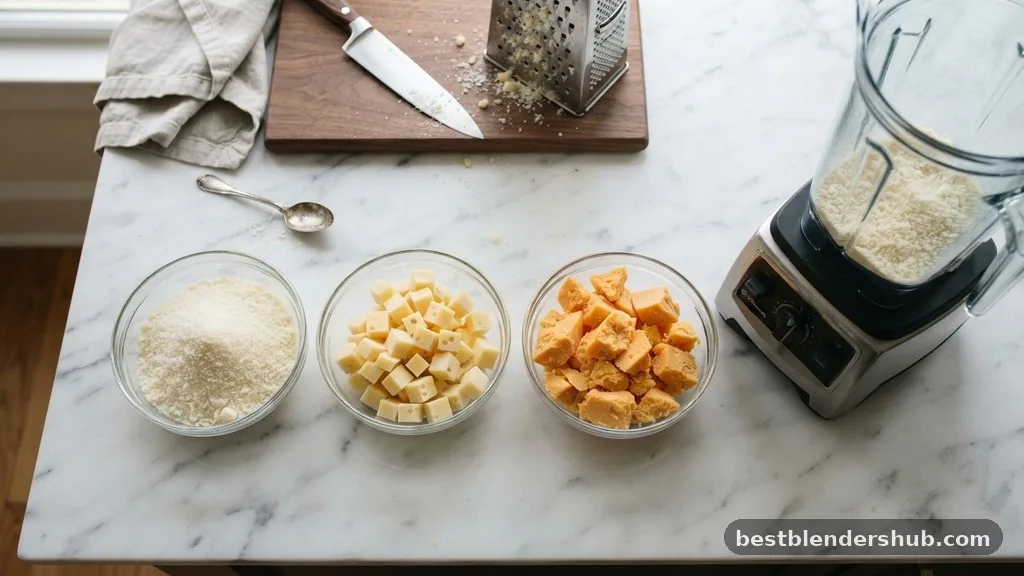
- Parmesan and Pecorino: These hard, dry cheeses can be pulsed successfully to create a coarse, grated texture.
- Aged Cheddar: If kept very cold or slightly frozen, sharp cheddar can withstand short pulses without turning into a solid mass.
- Swiss or Gruyère: These are manageable if you cut them into very small cubes before starting the machine.
Avoid using soft, high-moisture items like fresh mozzarella or goat cheese in a blender. These varieties contain too much water and fat, and the blades will likely transform them into a gummy, unusable smear of dairy within seconds.
Strategic Techniques to Avoid Clumping
If you must use your blender, you need a strategy to minimize the negative effects of heat and blade speed. The goal is to keep the cheese cold and the agitation level low.
The Pulse Setting is Your Best Friend
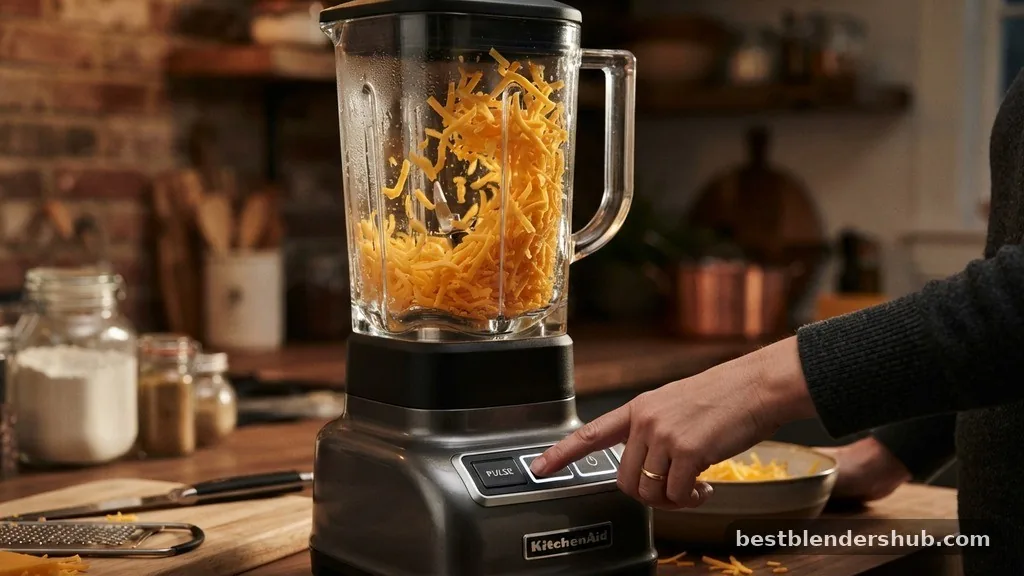
Never flip your blender to a continuous high-speed setting. Instead, use the pulse setting in short, one-second bursts. This allows you to monitor the cheese texture in real-time, stopping exactly when you reach the desired size. If you run the motor for too long, you will inevitably generate enough heat to turn your hard-earned shreds into a warm, gooey block at the bottom of the pitcher.
Cold Temperatures are Essential
Before you begin, place your block cheese in the freezer for about 15 to 20 minutes. This hardens the fats and reduces the overall moisture release during the blending process. Additionally, chill your blender jar in the freezer as well. A cold container helps absorb any heat generated during the process, keeping the dairy firm and distinct.
Comparing Traditional Tools and Modern Appliances
Different kitchen tools produce varying results in terms of speed, waste, and final quality. Understanding these differences helps you decide if a blender is truly the right tool for your current recipe.
| Tool | Best For | Resulting Texture |
|---|---|---|
| Box Grater | Standard shredding | Uniform, light shreds |
| Food Processor | Large quantities | Consistent, fast processing |
| Blender | Hard, dry cheeses | Coarse, uneven bits |
| Rotary Grater | Tabletop serving | Fine, delicate wisps |
While a food processor is generally superior to a blender due to its wider bowl and specialized shredding discs, the blender can serve as a backup for small amounts. A rotary grater remains the gold standard for finer tasks like grating Parmesan over pasta, whereas a box grater is the most reliable for general-purpose cooking.
Addressing Topical Gaps: Why Avoid Pre-Shredded Products?
Many home cooks turn to pre-shredded cheese for convenience, but there are significant downsides to this choice. Manufacturers coat these products in cellulose powder and other anti-caking agents to prevent the shreds from sticking together in the bag. While these ingredients are safe, they prevent the cheese from melting smoothly.
When you shred your own cheese at home, you ensure that the dairy remains pure. This leads to a superior melt, especially in sauces, fondues, or on top of pizzas.
By using a block and shredding it yourself, you avoid the waxy mouthfeel that often accompanies store-bought, pre-packaged bags. Even if your blender doesn’t produce perfect, long strands, the lack of additives will still make for a better culinary result than using a bag of pre-processed cheese.
Can You Use a Ninja Blender or Immersion Blender?
The type of blender you own significantly impacts your success rate. A Ninja blender often features multiple blade levels, which can be helpful for processing, but the vertical stack of blades might shred the bottom pieces too much while leaving the top pieces untouched. Always work in very small batches to ensure even distribution.
An immersion blender is generally a poor choice for shredding. These tools are designed to pull ingredients toward the blade, which is perfect for soups or smoothies, but disastrous for solids.
Using an immersion blender on a block of cheese will likely result in the device getting stuck, vibrating violently, or potentially damaging the motor. It is far safer and more effective to stick to a standard countertop blender if you lack a dedicated grater.
Tips for Cleaning and Maintenance
Cleaning cheese out of a blender jar can be a chore, especially if the fats have softened and smeared onto the sides. To make cleanup easier, fill the blender with warm water and a drop of dish soap immediately after use. Run it on a low pulse for a few seconds to dislodge any stuck particles.
If you notice a lingering smell or residue, a quick scrub with a soft sponge is usually enough to restore the jar to its original condition. Always ensure the blades are completely dry before storing the unit to prevent any oxidation on the metal components.
Conclusion
While you can technically process dairy in a blender, it is rarely the most effective method for achieving perfect results. The high-speed blades and friction heat often compromise the texture, turning firm blocks into clumpy, oily bits. For the best culinary outcome, a manual box grater or a food processor with a dedicated shredding disc is always preferred.
However, if you are in a pinch and have nothing else, keep your cheese very cold, use short pulses, and avoid soft varieties that are prone to melting. With these adjustments, you can successfully prepare your ingredients for a delicious meal. If you found this breakdown helpful, consider experimenting with your next block of cheddar to see which pulse duration works best for your specific appliance.
Frequently Asked Questions
Is it safe to put cheese in a blender?
Yes, it is safe, but the texture may become clumpy or uneven due to blade speed and heat.
Why does my cheese turn into a paste in the blender?
High blade speed generates friction heat, which melts the fat and causes the cheese to clump together quickly.
Should I freeze the cheese before blending it?
Yes, freezing the block for 15 minutes helps maintain its structure and prevents it from turning into mush.
Can I shred soft cheese like mozzarella in a blender?
No, soft, high-moisture cheeses will immediately turn into a gummy paste when subjected to high-speed blender blades.
What is the best alternative to a blender for shredding?
A box grater or a food processor with a shredding disc attachment provides the most consistent, professional results.
Does blending cheese affect how it melts?
If the cheese has been overheated by the blender, it may release oils, which can cause the sauce to break.
Why is hand-shredding better than using a blender?
Hand-shredding maintains the integrity of the dairy, produces uniform pieces, and avoids the heat that causes unwanted clumping.

Jamesmathew is an expert Amazon affiliate writer, helping readers discover top products, smart deals, and practical buying guides through honest reviews and insightful content.