

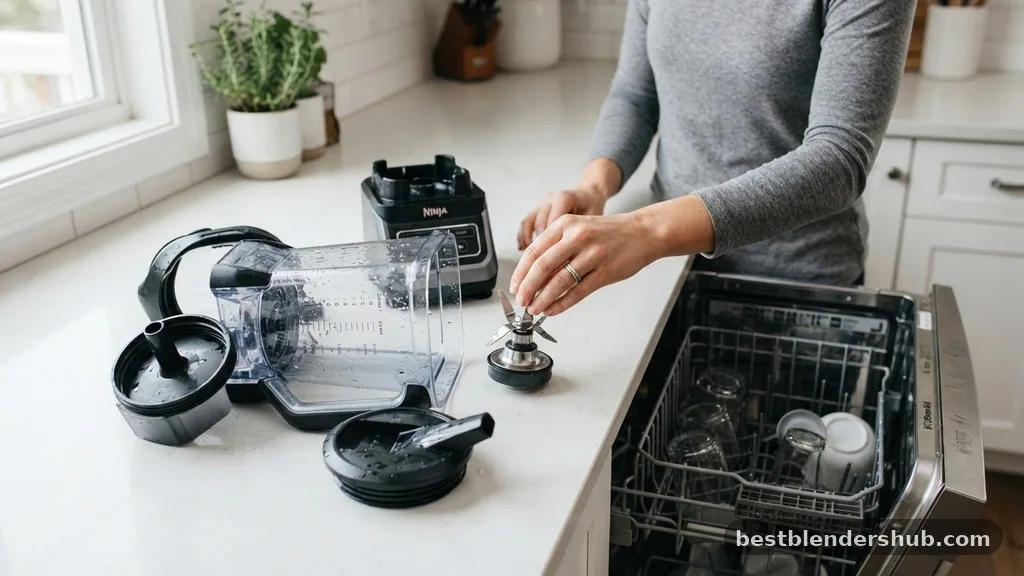
Determining whether your kitchen appliances can handle the high heat and water pressure of a modern cleaning cycle is essential for their longevity. Many owners often wonder if they can the ninja blender go in the dishwasher without causing damage to the plastic components or dulling the sharp edges of the blades. While convenience is a major factor, understanding the specific material limitations of your device is vital.
Most Ninja blender components are designed for easy maintenance, but there are critical safety rules you must follow to prevent warping or structural failure. This guide clarifies which parts are safe for the machine and which require your personal touch.
Identifying Dishwasher-Safe Ninja Components
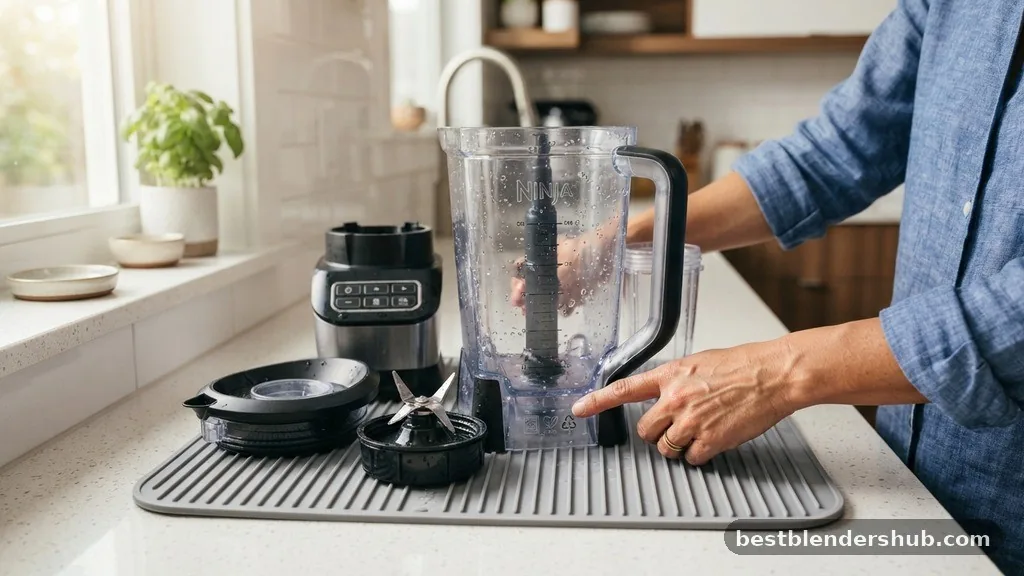
Most Ninja blender parts are constructed from durable, BPA-free plastic, which is generally resistant to standard cleaning cycles. However, you should strictly limit these items to the top-rack dishwasher safe area to avoid the intense heat generated by the heating element located at the bottom of most machines.
The following components are typically safe for automatic cleaning:
- The blender pitcher or jar
- The pitcher lid and locking mechanisms
- Nutri Ninja cups and travel lids
- The Ninja Nutri-Bowl
- Removable plastic gaskets or seals (if specified in the manual)
Always check the base of your specific model for a “Dishwasher Safe” stamp. Even if a part is labeled as such, placing it on the bottom rack can lead to thermal shock or warping due to proximity to the heating coils. By keeping these items on the upper rack, you ensure they remain away from extreme heat sources, preserving the integrity of the plastic seal.
Why You Should Never Put the Motor Base in the Dishwasher
The motor base is the heart of your appliance and contains sensitive electrical components that are not sealed against water. You must never submerge this part in water or place it inside any cleaning machine. Doing so will immediately cause a short circuit, permanently damaging the internal electronics and creating a significant fire or electrocution hazard.
If your motor base becomes dirty, simply wipe it down with a damp cloth. If there is stubborn food residue on the exterior, use a slightly moistened sponge with a mild cleaner, but ensure no liquid enters the ventilation ports or the central drive coupling. Keeping the base dry is the most effective way to ensure your blender lasts for years.
Managing the Blender Blade Assembly
The blender blade assembly is the most delicate part of the system when it comes to cleaning. While some manufacturers claim their blades are dishwasher-safe, most experts recommend hand washing these components to maintain their sharpness.
The Risks of Dishwasher Cycles
The high-pressure water jets and harsh dishwasher detergent can cause microscopic damage to the blade edges over time. When blades become dull, the blender has to work much harder to process ingredients, putting unnecessary strain on the motor. Additionally, water can seep into the housing of the blade assembly, potentially rusting the internal bearings.
The Best Way to Clean Blades
Instead of relying on a machine, use a long-handled cleaning brush to scrub the blades under warm soapy water. This method is safer for your hands and much gentler on the stainless steel. Always handle the blade assembly by the plastic center column rather than the metal edges to avoid accidental cuts.
Comparing Cleaning Methods for Ninja Parts
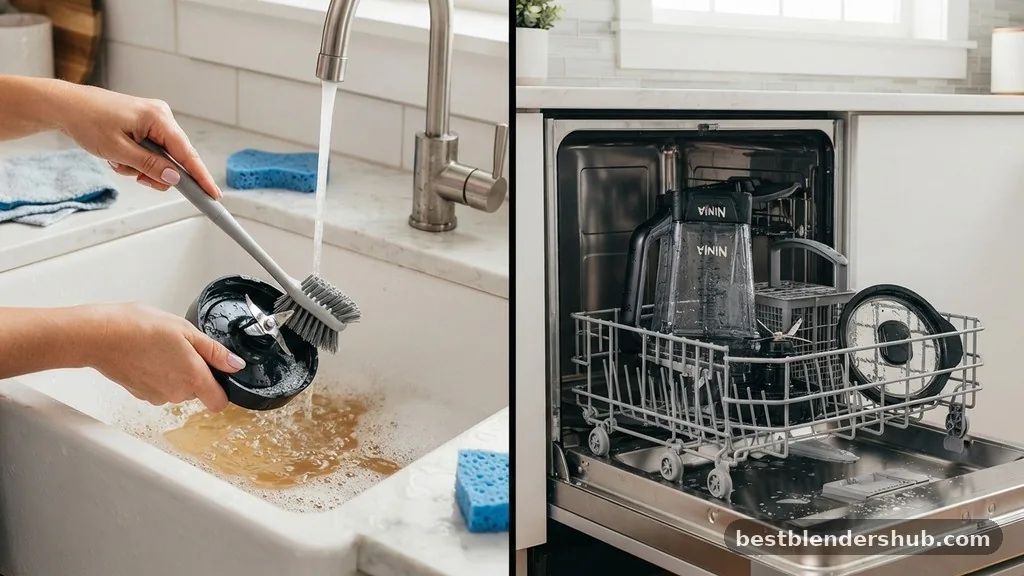
Choosing the right cleaning method depends on the specific component you are addressing. The table below outlines the recommended care instructions to ensure your equipment remains in top condition.
| Component | Cleaning Method | Key Caution |
|---|---|---|
| Pitcher / Cup | Top-rack dishwasher | Avoid high-heat cycles |
| Blade Assembly | Hand wash only | Do not soak for long periods |
| Motor Base | Damp cloth wipe | Never submerge in water |
| Lids and Seals | Top-rack dishwasher | Check for trapped debris |
Addressing Topical Gaps: Common Cleaning Mistakes
Many users encounter issues because they overlook the small, hidden areas where bacteria can grow. One major gap in standard advice is the rubber gasket found inside many lids. If you don’t remove this gasket occasionally, mold can develop in the crevice, which is difficult to reach during a standard wash.
Another common oversight involves the high heat cycle. Even if a part is top-rack safe, running a “sanitize” or “heavy duty” cycle can reach temperatures that exceed the melting point of the plastic used in some older Ninja Professional models.
Always stick to a standard, energy-efficient cycle to be safe. If you notice a faint burning plastic smell after a cycle, it is a clear indicator that the temperature was too high for the material.
Preventing Damage During the Cleaning Process
To keep your blender functioning like new, you must avoid aggressive chemicals. High-alkaline detergents can cloud clear plastic, making the pitcher look aged and brittle. If your water is particularly “hard,” you might notice mineral deposits forming on the plastic.
Instead of using a harsh dishwasher cycle, soak the pitcher in a mixture of white vinegar and water for thirty minutes. This natural solution effectively dissolves buildup without scratching or degrading the BPA-free material.
Properly drying your parts is just as important as washing them. If you store your blender components while they are still damp, you may notice a musty odor.
Ensure that the lid and pitcher are completely air-dried before reassembling them for storage. This simple habit prevents the growth of unwanted bacteria and keeps your kitchen environment hygienic.
Common Questions About Ninja Blender Maintenance
Yes, placing the plastic pitcher and lids on the top rack during a gentle cycle is generally safe.
Is it okay to put the blade assembly in the dishwasher?
No, hand washing is highly recommended to protect the blade sharpness and prevent damage to internal bearings.
Why does my Ninja pitcher look cloudy after dishwasher use?
This is usually caused by hard water deposits or harsh detergents reacting with the plastic over time.
Can I wash the motor base with a wet sponge?
Only use a lightly dampened cloth. Never allow water to seep into the base’s internal electrical components.
How often should I remove the rubber gasket for cleaning?
You should remove and clean the gasket after every use to prevent food residue and mold buildup.
Does the Ninja Nutri-Bowl require special care?
It is top-rack dishwasher safe, but ensure it is not crowded by other heavy items during the cycle.
What happens if I accidentally put the blades in the dishwasher?
One cycle likely won’t ruin them, but repeated exposure will dull the blades and risk hardware corrosion.
Maintaining Long-Term Performance
The decision to wash your blender components in the dishwasher is a balance between convenience and the longevity of the appliance. By strictly adhering to the top-rack rule and opting for hand washing for the blades, you ensure that your blender remains a reliable tool for years. Proper maintenance, including regular cleaning of gaskets and avoiding the motor base, prevents the most common mechanical failures.
If you treat your Ninja system with care, it will continue to deliver consistent results for your smoothies and recipes. Should you have questions about specific parts, always refer to your model-specific user manual, as material specifications can vary. Happy blending and keep those blades sharp and clean.

Jamesmathew is an expert Amazon affiliate writer, helping readers discover top products, smart deals, and practical buying guides through honest reviews and insightful content.