

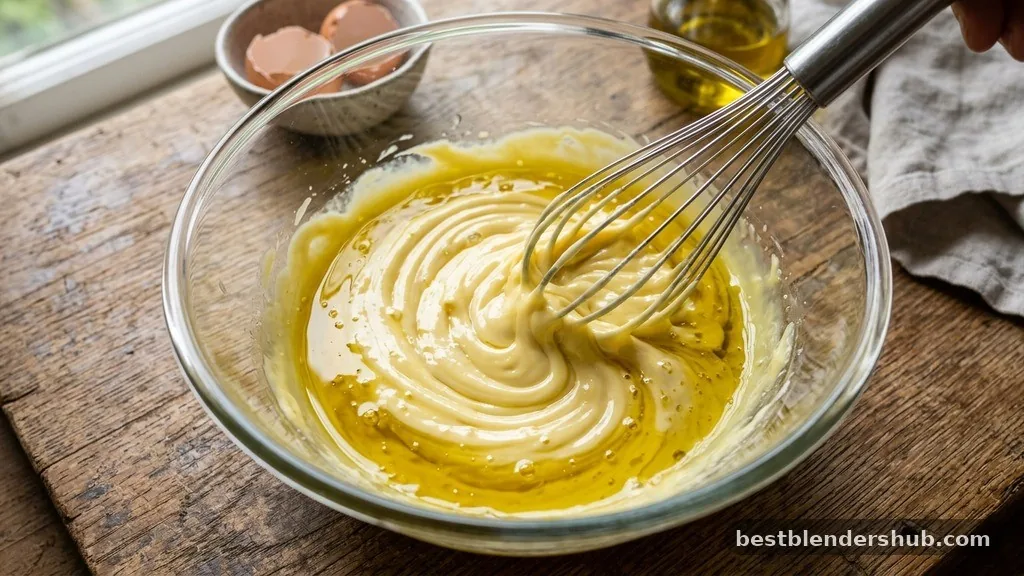
Mastering the craft of making mayonnaise without a blender is a fundamental skill that transforms simple pantry staples into a rich, velvety condiment. While modern kitchen gadgets often handle the heavy lifting, the traditional manual approach offers superior control over texture and flavor. By understanding the science of the emulsification process, you can create a luxurious spread using nothing more than a bowl and a whisk.
This manual technique relies on patience and precise mechanics to combine oil and egg into a thick, cohesive sauce. You’ll soon discover that the tactile feedback of whisking by hand provides a level of satisfaction that no motorized machine can replicate.
The Science of Emulsion and Stability
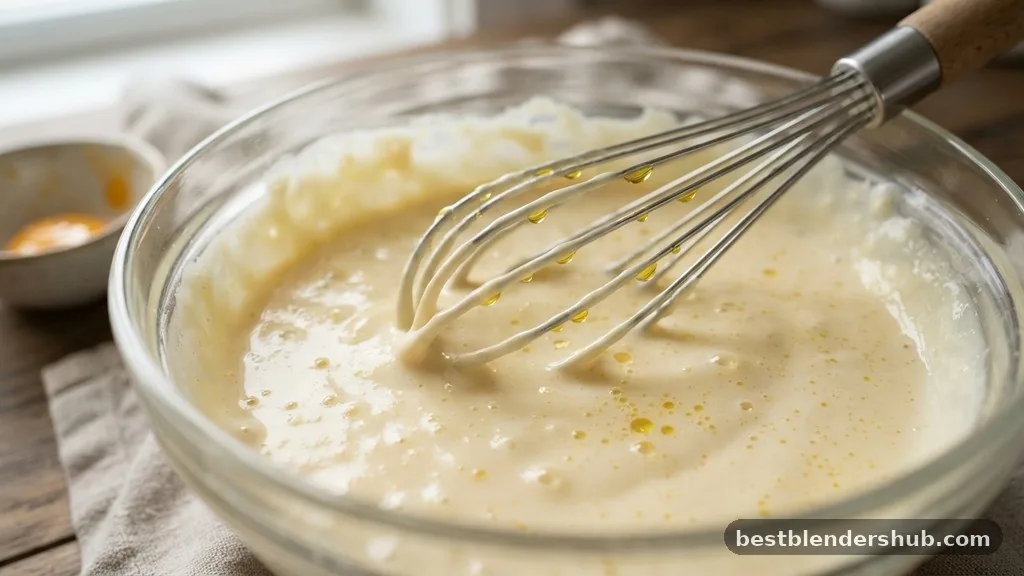
At its heart, mayonnaise is a stable emulsion—a mixture of two liquids that typically refuse to combine, like oil and water. When you learn how to make mayonnaise without a blender, you are essentially forcing these molecules together through sheer mechanical force. The key player in this chemistry is the egg yolk, which acts as a natural bridge between the ingredients.
The egg yolk contains lecithin, a phospholipid that possesses both hydrophilic and lipophilic properties. This means one end of the molecule loves water while the other loves fat.
By slowly incorporating a neutral oil into the yolk, you create tiny droplets of fat suspended in the aqueous base of the vinegar or citrus. Without this stabilization, the mixture would simply separate into a greasy puddle rather than a thick, creamy spread.
Essential Tools and Ingredient Preparation
You don’t need a high-tech kitchen to produce professional-quality results. The most important tool is a sturdy whisking bowl with a weighted base or a non-slip bottom to keep it steady while you work. A balloon whisk with thin, flexible wires is ideal for incorporating air and breaking up the oil into the smallest possible droplets.
Why Temperature Matters
Before you begin, ensure all your components are at room temperature ingredients. Cold eggs or chilled oil can make the emulsification process sluggish and prone to failure. If your yolk is too cold, the lecithin won’t activate as efficiently, which often leads to a broken sauce.
* Large Egg Yolk: Provides the foundational structure and emulsifying power.
* Neutral Oil: Use canola oil or grapeseed oil for a clean, non-intrusive flavor profile.
* Acid: Fresh lemon juice or white wine vinegar adds the necessary brightness to cut through the fat.
* Flavor Base: A small teaspoon of Dijon mustard acts as an additional stabilizer and provides subtle depth.
The Manual Whisking Technique
The secret to success lies in the whisking technique, specifically the speed and volume of your oil addition. You should start by combining the yolk, mustard, and a splash of acid in your whisking bowl. Whisk these vigorously for about thirty seconds until the mixture looks pale and slightly frothy.
Begin the drizzling stage with extreme caution. Add your vegetable oil drop by drop, whisking constantly to ensure the fat is fully absorbed before adding more.
Once you have successfully incorporated the first quarter of the oil and the mixture begins to thicken, you can slowly increase the pace to a thin, steady stream. If the mixture becomes too thick, add a tiny splash of water or lemon juice to loosen the texture without compromising the emulsion.
Troubleshooting a Broken Sauce
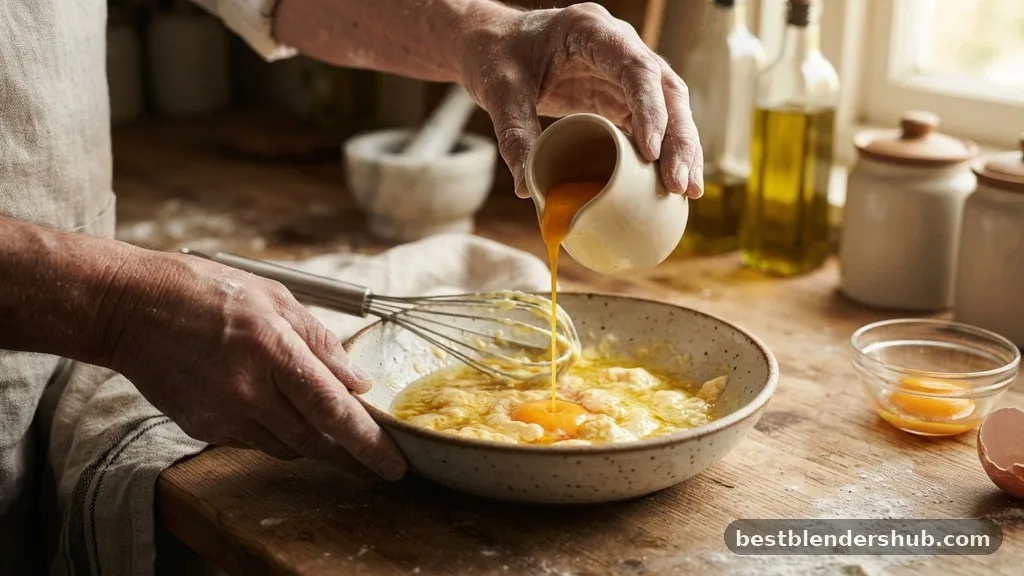
Even experienced chefs occasionally encounter a broken sauce when making mayonnaise by hand. This happens when the oil is added too quickly, overwhelming the lecithin‘s ability to bind the fat droplets. Don’t panic, as this is rarely a total loss; you can usually save it with a simple recovery method.
To fix a separated mixture, take a fresh egg yolk in a clean bowl. Slowly add your broken, curdled mixture into the new yolk one teaspoon at a time, whisking constantly.
The fresh yolk provides a new supply of lecithin to re-bind the fat. Once the emulsion starts to come back together, you can continue adding the remainder of the broken mixture at a slightly faster pace.
Comparing Methods for Homemade Mayonnaise
Selecting the right approach depends on your available time and the desired texture. While manual whisking requires more physical effort, it results in a more aerated, delicate mouthfeel compared to the heavy, dense consistency often produced by high-speed blades.
| Method | Effort Level | Texture Outcome | Risk of Breaking |
|---|---|---|---|
| Manual Whisking | High | Light and Airy | Moderate |
| Immersion Blender | Low | Dense and Thick | Low |
| Food Processor | Low | Uniform and Smooth | Very Low |
Addressing Common Hurdles
Many home cooks struggle with the physical demand of holding a steady rhythm for ten minutes. If you find your arm tiring, try bracing the bowl against your body or using a damp kitchen towel underneath the base to prevent slipping. The whisking technique is less about brute strength and more about consistent, repetitive motion that keeps the oil droplets dispersed throughout the yolk.
Managing Oil Ratios
A frequent mistake is using an oil with too much flavor, such as extra virgin olive oil. Because you are using a large volume of oil, the bitterness of olive oil can become overwhelming.
Stick to a neutral oil like canola oil for your base, and if you want extra flavor, whisk in a small amount of high-quality olive oil only at the very end. This maintains the integrity of the stable emulsion while allowing you to customize the final taste profile to your liking.
FAQ: Mastering Manual Mayonnaise
Why did my mayonnaise turn into liquid?
It likely broke because the oil was added too fast or the ingredients were different temperatures.
Can I use a fork instead of a whisk?
Yes, a fork works in a pinch, but it takes longer to achieve the necessary aeration and stability.
How long does handmade mayonnaise last?
Since it lacks preservatives, keep it refrigerated in an airtight container for up to three to five days.
Is Dijon mustard strictly necessary?
It isn’t mandatory, but it significantly aids the emulsification process and provides a classic, balanced flavor profile.
What is the best oil for a neutral taste?
Grapeseed, sunflower, or canola oil are excellent choices that allow other ingredients to shine through clearly.
Can I make mayonnaise with only egg whites?
No, you need the lecithin found specifically in the egg yolk to create the stable emulsion required.
How do I know when the mayonnaise is finished?
It is ready when it reaches a thick, glossy consistency that holds its shape on the whisk wires.
Final Thoughts on Hand-Whisked Condiments
Achieving a perfect batch of mayonnaise using only your hands is a rewarding culinary achievement that connects you to traditional cooking methods. By focusing on the temperature of your ingredients, maintaining a slow, steady drizzling of your neutral oil, and keeping your whisking technique consistent, you can produce a superior product every time. The emulsification process is a delicate dance of chemistry, but once you master the rhythm, it becomes second nature.
Whether you are adding fresh herbs, garlic, or a hint of spice, your homemade version will far surpass anything found on a supermarket shelf. Experiment with different vinegars or citrus juices to find your signature flavor, and enjoy the process of creating something truly authentic from scratch in your own kitchen.

Jamesmathew is an expert Amazon affiliate writer, helping readers discover top products, smart deals, and practical buying guides through honest reviews and insightful content.