

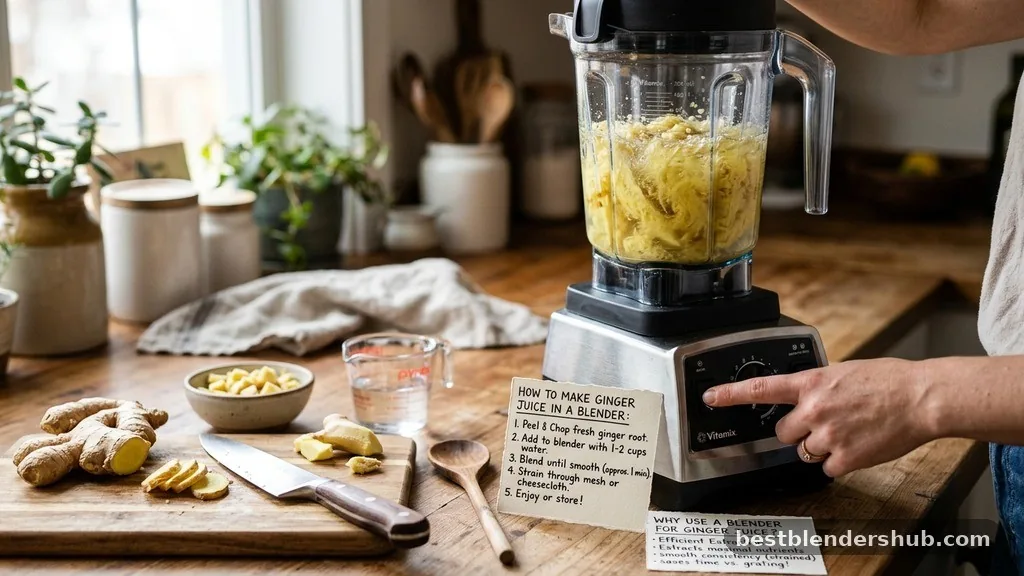
Extracting pure liquid from a fresh rhizome might seem like a task reserved for heavy-duty juicers, but you can easily achieve professional results at home. Learning how to make ginger juice with a blender allows you to harness the potent health properties of this spicy root without needing expensive kitchen equipment.
Whether you want to whip up spicy ginger shots or add a concentrated kick to your morning smoothies, the process is straightforward and efficient. By following a few specific steps to handle the fiber content correctly, you can produce a vibrant, flavorful extract that rivals any store-bought version.
Why Use a Blender for Ginger Juice?
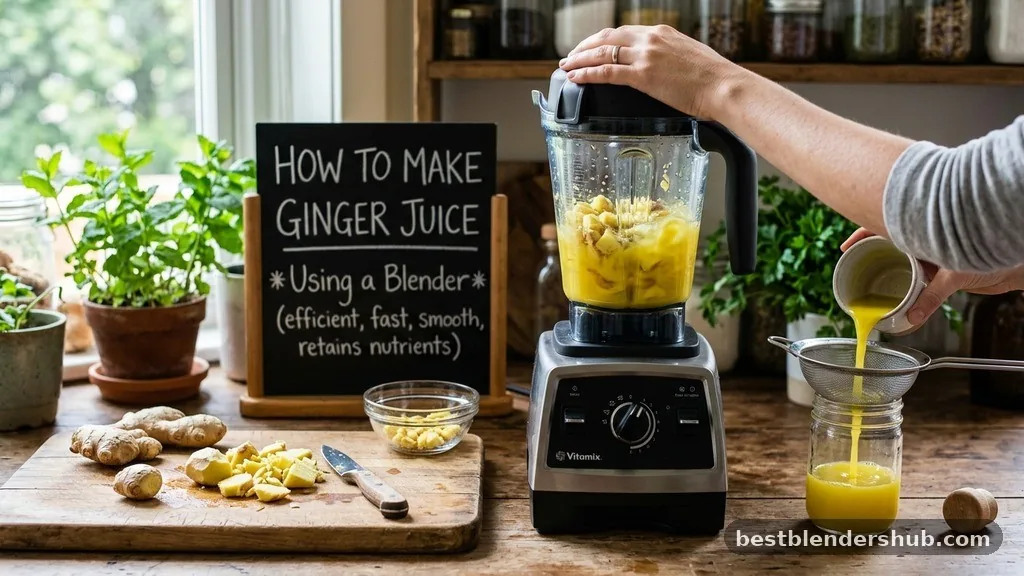
Using a standard or high-speed blender is often more accessible than purchasing a dedicated juice extractor. While juicers are designed specifically for fibrous vegetables, a blender excels at breaking down the tough structure of ginger root when paired with a little liquid. This method is incredibly cost-effective and helps you avoid bulky appliances taking up valuable counter space.
Beyond convenience, blending allows you to control the water ratio exactly. You can create a highly concentrated juice for medicinal purposes or a more diluted version for daily consumption. Because you are manually straining the mixture, you retain full control over the final texture, ensuring your extract is as smooth or as pulpy as you prefer.
Selecting and Preparing Your Ginger
Before you start, the quality of your ingredients dictates the potency of your final product. Look for a ginger root that feels firm and heavy for its size. Avoid pieces with soft spots, mold, or excessively wrinkled skin, as these are signs of an aging rhizome.
You don’t necessarily have to peel the ginger, especially if it is organic. The skin is edible and packed with nutrients, though some people prefer to remove it for a cleaner aesthetic.
If you choose to peel it, a simple spoon edge works wonders for scraping away the thin outer layer without wasting the flesh underneath. Chop the root into small, manageable chunks to ensure your blender blades can catch and pulverize the material effectively.
The Blending Process
To extract juice successfully, you must create enough volume for the blades to circulate properly. If you try to blend dry ginger, the machine will likely struggle and stall. Adding a small amount of water is essential for creating the necessary vortex.
1. Place your chopped ginger into the blender jar.
2. Add water in a 1:1 or 1:2 ratio depending on your desired strength.
3.
Pulse the blender on high speed for about 60 seconds until the mixture looks like a thick, frothy puree.
4. Let the mixture sit for a moment to allow the larger particles to settle.
Straining Techniques for Maximum Yield
Once you have your ginger puree, the next stage is separating the liquid from the strained pulp. This is where the quality of your tools makes a significant difference. A standard kitchen mesh strainer might let too much sediment through, resulting in a gritty juice.
For the best results, use a nut milk bag or several layers of cheesecloth. These fine-weave materials trap the fibrous material while allowing the potent gingerol-rich liquid to pass through. Pour the puree into your chosen filter over a large bowl.
Squeeze firmly with your hands to wring out every last drop of moisture. The remaining pulp can be saved for stir-frys or teas, so don’t toss it in the compost just yet.
Comparing Extraction Methods
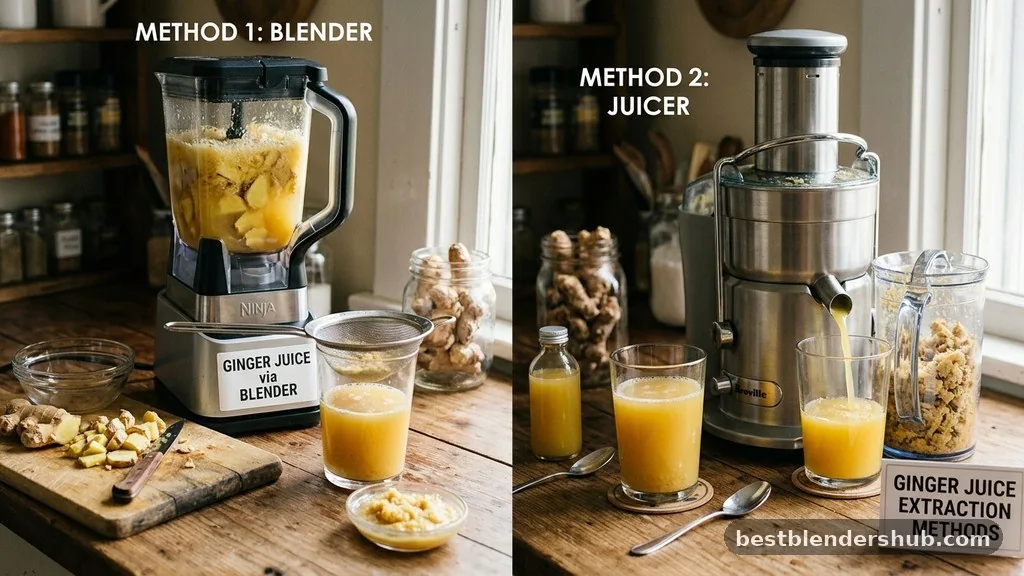
Different tools yield different results when processing ginger. Understanding these differences helps you decide which method fits your kitchen workflow.
| Method | Texture | Efficiency |
|---|---|---|
| High-speed Blender | Smooth (if filtered well) | High yield |
| Manual Grater | Pulpy | Low yield |
| Cold-pressed Juicer | Very smooth | Maximum yield |
Addressing Common Challenges
When learning how to make ginger juice with a blender, beginners often run into a few hurdles. One common issue is the blender not catching the ginger properly.
If the pieces are too large, they will just bounce around the jar. Always aim for half-inch cubes to ensure consistent processing.
Another concern is the intensity of the flavor. Ginger is naturally spicy and can be overwhelming if consumed in large quantities.
If you find your extract too strong, don’t hesitate to increase your water ratio during the blending phase. You can also mix in a splash of lemon juice or a drop of honey to balance the sharp bite of the gingerol.
Storage and Shelf Life
Proper refrigerator storage is crucial for maintaining the freshness of your homemade extract. Ginger juice is highly perishable and can lose its bright, zesty character if left exposed to air for too long. Always store your juice in an airtight container, such as a glass mason jar with a tight-fitting lid.
Because you haven’t added any preservatives, try to consume the juice within five to seven days. If you find yourself making large batches, consider freezing the juice in ice cube trays. This allows you to pop a “ginger cube” into a cup of hot water or a smoothie whenever you need a quick health boost.
Nutritional Benefits and Usage
Ginger is widely celebrated for its anti-inflammatory properties, largely attributed to its active compound, gingerol. Incorporating this root into your diet can support digestive health and help alleviate occasional nausea. By creating your own juice, you ensure that you are getting a fresh product without the added sugars or preservatives often found in commercial ginger drinks.
You can use this potent liquid in a variety of ways:
- Add a tablespoon to your morning green tea for a metabolism boost.
- Whisk it into salad dressings to provide a zesty, spicy undertone.
- Mix it with sparkling water and lime for a refreshing, natural soda.
- Incorporate it into marinade bases for chicken, tofu, or fish dishes.
Frequently Asked Questions
Can you juice ginger with a blender?
Yes, you can easily juice ginger by blending it with water and straining it through a cloth bag.
How to get ginger juice from a blender without a mess?
Place your cheesecloth over a wide bowl before pouring, and squeeze the bag slowly to prevent spills.
What should you not mix ginger with?
Avoid mixing high concentrations of ginger with blood-thinning medications, as it may increase the risk of bleeding.
What happens if I drink ginger juice daily?
Daily consumption can support healthy digestion and reduce inflammation, though moderation is key to avoid stomach irritation.
How long does ginger juice last in the fridge?
Store your juice in an airtight container and use it within five to seven days for best quality.
Do I need to peel the ginger before blending?
Peeling is optional; if the ginger is organic and well-scrubbed, the skin adds extra nutrients to the juice.
Can I make ginger shots with a blender?
Absolutely, just use a smaller water ratio during the blending process to keep the extract highly concentrated.
Final Thoughts
Mastering how to make ginger juice with a blender is a simple way to elevate your home cooking and support your wellness routine. By focusing on quality ingredients, using the right straining tools like a nut milk bag, and maintaining proper refrigerator storage, you can enjoy the benefits of fresh ginger whenever you like. This process proves that you don’t need fancy equipment to enjoy high-quality extracts.
Start with a small batch today to find your preferred strength, and feel free to experiment with adding lemon or honey to customize the flavor. We would love to hear how your homemade juice turns out, so please leave a comment if you have a favorite way to use this spicy, aromatic liquid.

Jamesmathew is an expert Amazon affiliate writer, helping readers discover top products, smart deals, and practical buying guides through honest reviews and insightful content.