

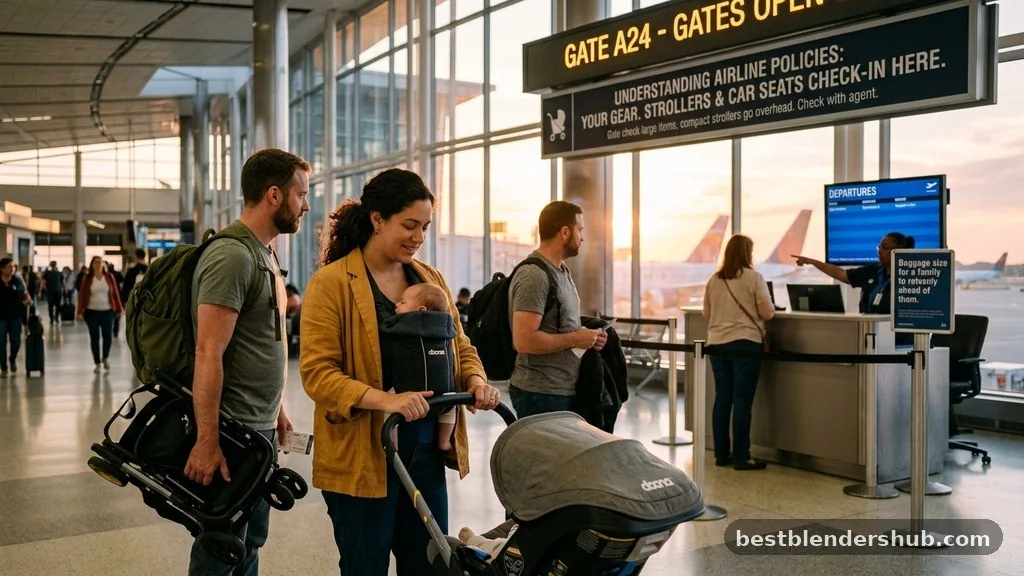
Navigating the airport with young children often feels like a logistical puzzle, but mastering the art of how to travel with car seat and stroller makes the process significantly smoother. You are juggling luggage, documents, and curious toddlers, so having a reliable system for your infant travel gear is essential for maintaining your sanity.
Whether you are heading out on a quick weekend trip or a long-haul international flight, the right preparation transforms a high-stress experience into a manageable journey. By understanding airline policies and choosing the right equipment, you can ensure your little ones remain safe and comfortable from the curb to the rental car.
Understanding Airline Policies and Your Gear
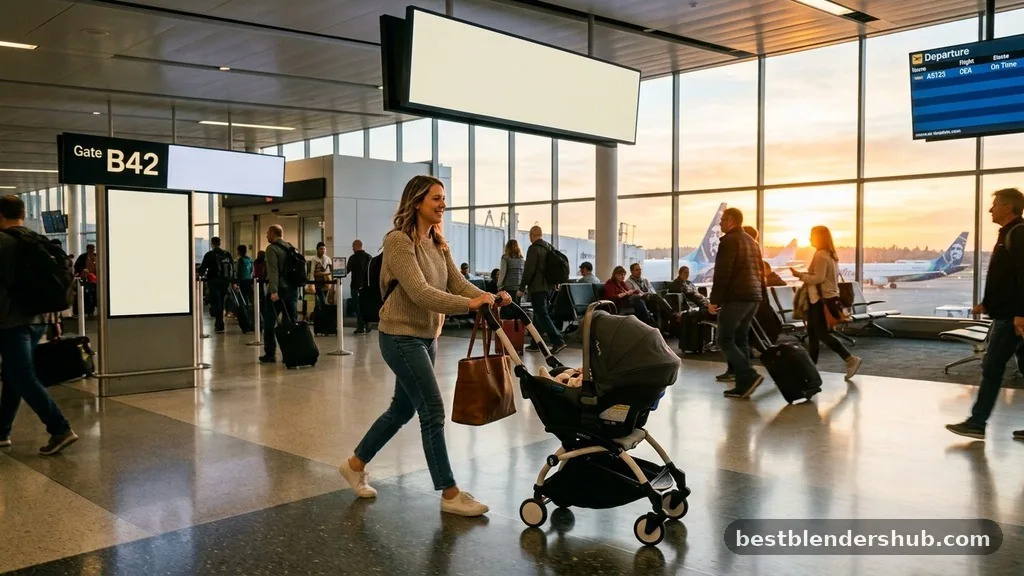
Before you head to the airport, you must clarify what your specific airline allows regarding child restraint systems and strollers. Most major carriers permit families to bring both a car seat and a stroller free of charge, though the exact rules vary between domestic and international routes. Always check the carrier’s website for their specific airline gate check policy, as some budget airlines have stricter size limitations for strollers compared to legacy carriers.
It is crucial to determine if your car seat is an FAA-approved car seat. You can usually find this certification printed on a sticker on the side or back of the seat.
Using an approved seat on the plane provides the safest environment for your child during flight, especially during unexpected turbulence. If you plan to use the seat in the cabin, you must book a separate seat for your child, as lap infants generally do not have a dedicated spot for their own car seat.
Strategies for TSA Security Screening
Moving through TSA security screening with bulky equipment requires patience and a clear plan. You will need to remove your child from the stroller so that the stroller can pass through the X-ray machine. If the stroller is too large to fit through the scanner, a TSA officer will perform a manual inspection.
When it comes to your child safety seat, it must also be placed on the conveyor belt for screening. If you are traveling alone, this can be physically demanding.
Don’t hesitate to ask a TSA agent for assistance; they are accustomed to helping parents navigate these checkpoints. Keep your identification and boarding passes easily accessible, as you will need them frequently throughout the process.
Selecting the Best Gear for Transit
Your choice of equipment dictates how easily you move through terminals. Many parents opt for a lightweight travel stroller that folds compactly, as these are easier to manage than full-sized travel systems.
If you are bringing a heavy-duty car seat, consider using a car seat dolly or a travel bag with wheels. These accessories take the weight off your back and allow you to wheel your gear through the concourse like a standard suitcase.
| Equipment Type | Best For | Portability |
|---|---|---|
| Lightweight Stroller | Quick trips & tight spaces | High |
| Travel System | All-day comfort | Low |
| Car Seat Cart | Transporting bulky seats | Medium |
Investing in a durable stroller travel bag is a smart move. These bags protect your gear from the grease, dirt, and rough handling often found in cargo holds. Even if you choose to gate check your items, a bag provides a layer of protection against accidental damage.
Gate Check vs. Checked Baggage
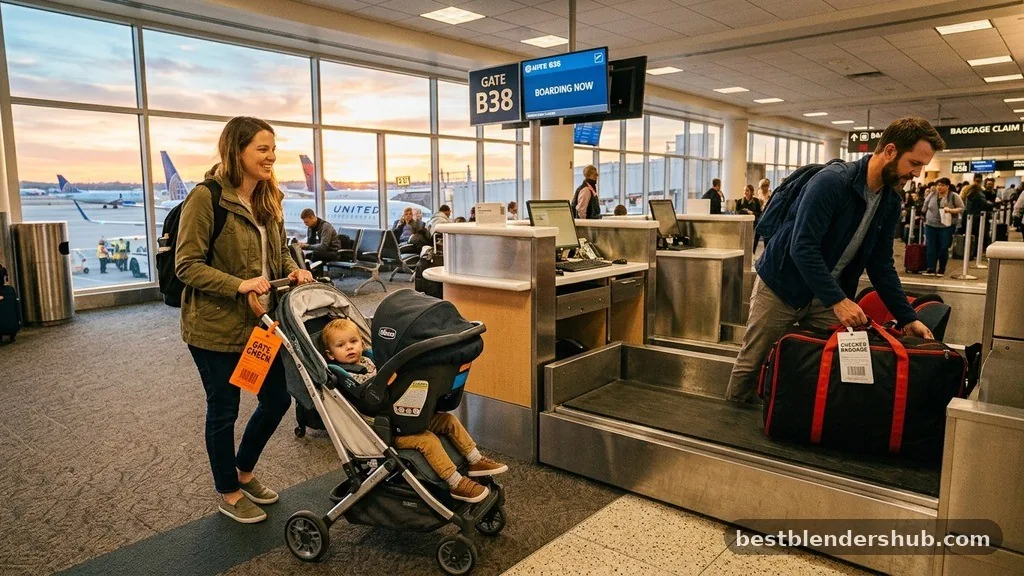
Choosing between gate checking and checking your items at the main counter is a major decision for parents. When you gate check your stroller, you drop it off at the end of the jet bridge right before boarding the plane. This allows you to use the stroller all the way up to the aircraft door, which is a lifesaver if you have a long walk through the terminal.
* Gate Checking Pros: Keeps the child contained; easier for long terminals; less time at baggage claim.
* Checked Baggage Pros: Keeps your hands free during boarding; reduces stress in the narrow aisle.
* Cons of Checking: Items may be delayed at baggage claim; increased risk of damage in the main hold.
If you decide to check your items at the main counter, make sure they are clearly labeled with your contact information. For families traveling with multiple children, checking a large bag containing the car seat and other heavy items can be more practical than lugging them through security.
Addressing Common Travel Challenges
One of the biggest hurdles parents face is the sheer amount of equipment required for a baby. If you find yourself overwhelmed, consider airport stroller rental services available at many major hubs.
Renting a stroller at your destination can save you the hassle of lugging your own gear across the country. This is especially useful if you are traveling to a location with limited storage space.
Another frequent issue is the “infant seating” problem. If you have not purchased a seat for your infant, you will be holding them for the duration of the flight. In this case, you should check your car seat at the ticket counter.
Ensure you have a padded bag to prevent the frame from bending or the fabric from tearing during the flight. Always keep your carry-on luggage separate from your child gear so you can quickly access snacks, diapers, and toys without digging through the stroller bag.
Optimizing Your Packing Process
Efficiency is the secret to a stress-free trip. Start by minimizing what you bring. If you have a modular travel system, consider leaving the heavy base at home and using the seat belt installation method for your car seat.
This saves significant weight and space. Pack your essentials in a backpack rather than a shoulder bag, as it keeps your hands free to push the stroller or hold your child’s hand.
Create a specific checklist for your items. Include your car seat, stroller, rain cover, and any adapters you might need.
Check the weather at your destination to see if you need extra accessories, like a sunshade or a wind cover. By organizing your gear in advance, you avoid the panic of realizing you left a crucial component at home.
Solving Common Logistical Gaps
Many travelers ask about the specific nuances of navigating rental cars and public transit with a car seat. If you are taking a shuttle from the airport to a rental car center, you will likely need to fold your stroller and carry your car seat. To make this easier, practice folding your stroller at home until you can do it in under ten seconds.
Another gap involves international travel. Different countries have different regulations for car seat safety.
Always check the local laws of your destination to ensure your seat complies with their standards. If you are traveling abroad, consider buying a cheap, lightweight, but safe seat that you don’t mind potentially damaging, or use a car seat rental service provided by reputable agencies.
FAQ
Can I bring my car seat and stroller through TSA security?
Yes, both items must go through the X-ray machine or be inspected manually by TSA officers.
Is it free to check a car seat and stroller for my child?
Most airlines allow you to check these items for free, but always verify your specific carrier’s policy.
Should I gate check or check my gear at the ticket counter?
Gate checking is better for terminal mobility, while checking at the counter is better for hands-free boarding.
Is an FAA-approved car seat required for air travel?
It is required only if you plan to use the seat in an airplane cabin seat.
How do I protect my stroller from damage during a flight?
Using a heavy-duty, padded stroller travel bag significantly reduces the risk of scratches, tears, and frame damage.
Can I use my car seat in an international taxi or rideshare?
Yes, provided the vehicle has the appropriate seat belts or LATCH system to secure the car seat.
What if my gear is lost or damaged by the airline?
Report any damage immediately at the baggage claim office and file a claim before leaving the airport.
Mastering the logistics of how to travel with car seat and stroller requires a blend of preparation and flexibility. By familiarizing yourself with airline regulations, investing in protective gear, and streamlining your movement through security, you create a much more predictable experience for your family. Remember that while the process can be demanding, the ability to safely transport your children is well worth the effort.
Once you arrive at your destination, the convenience of having your own familiar equipment will far outweigh the minor stresses of the journey. Take a deep breath, keep your documents handy, and enjoy the trip with your little ones. If you have questions about specific airline requirements or gear recommendations, feel free to share your thoughts or reach out for more tailored advice.

Jamesmathew is an expert Amazon affiliate writer, helping readers discover top products, smart deals, and practical buying guides through honest reviews and insightful content.