

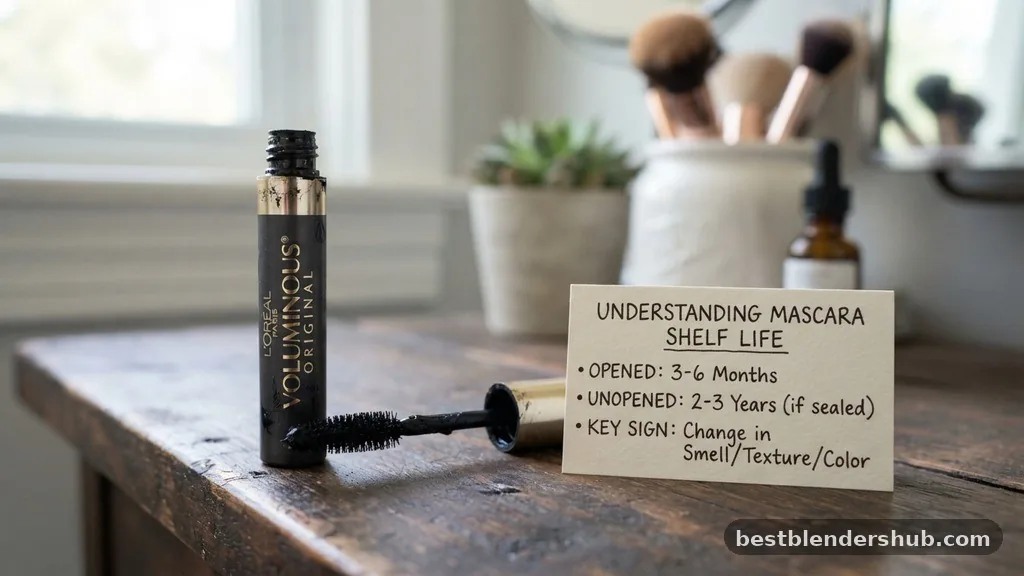
Many beauty enthusiasts often wonder how long does mascara last before it becomes a liability rather than an enhancement for their eyes. Unlike powders or eyeshadows that can remain stable for years, liquid eye makeup exists in a delicate state that makes it highly susceptible to environmental factors.
Because mascara is applied directly to the lashes and sits in close proximity to the mucous membranes of the eye, maintaining strict hygiene standards is not just a matter of cosmetic quality—it is a critical aspect of ocular health. Understanding the lifecycle of your favorite tube helps you avoid common pitfalls like irritation, flaking, and unwanted bacterial exposure.
Understanding the Standard Shelf Life of Mascara
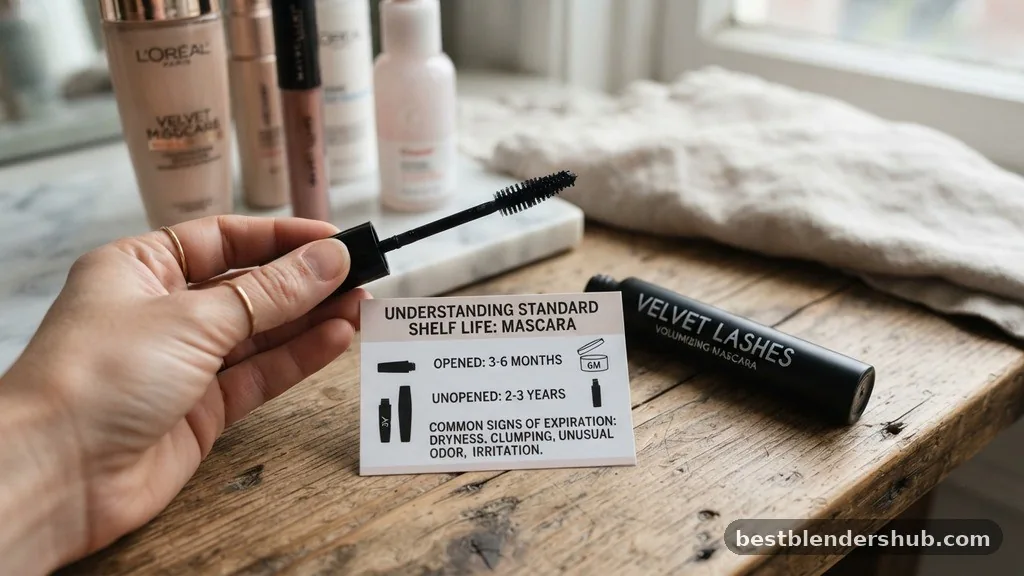
When you purchase a new tube of mascara, the clock begins ticking from the moment the seal is broken. Most cosmetic chemists and dermatologists agree that the typical shelf life of an opened tube of mascara is between three to six months. While some high-end brands might advertise a slightly longer window due to advanced formulation techniques, the industry standard remains conservative for a reason.
This duration is designed to balance the efficacy of the product with the safety of the user. Once the wand is removed from the tube and introduced to the air, oxygen and microscopic debris begin to interact with the formula.
The chemical stability of the mascara starts to degrade almost immediately upon contact with the external environment. Ingredients that were once smooth and malleable begin to thicken or separate, leading to that familiar sensation of the product drying out. Beyond the texture, the preservative system—the chemical shield designed to keep the product stable—begins to lose its potency.
If you have been using the same tube for more than six months, you are likely working with a product that has lost its original integrity. This often manifests as uneven application, clumping, and a lack of the lash-defining benefits you initially purchased the item for, making a replacement necessary regardless of how much product remains inside the container.
Decoding the PAO Symbol and Expiration Dates
If you look closely at the packaging of your cosmetics, you will often find a small icon that looks like an open jar with a number and the letter “M” inside—this is the Period After Opening (PAO) symbol. For most mascaras, this symbol will read “6M,” indicating that the product is intended to be used within six months of opening.
This is your most reliable guide for understanding how long your specific product is expected to remain safe and functional. While unopened mascara can last significantly longer—often up to two or three years if stored in a cool, dark, and dry environment—this longevity vanishes the moment you pull the wand out for the first time.
Many consumers mistakenly believe that if a product is still “wet,” it is still good to use. However, the presence of moisture does not equate to sterility. Even if the mascara feels like it has the same consistency as day one, the chemical degradation and potential for microbial colonization have likely already begun.
It is helpful to write the date you opened the tube on the bottom of the container with a permanent marker or a small piece of tape. This simple habit removes the guesswork and ensures that you are not accidentally extending the life of your makeup well past its expiration date, which is a common error that leads to discomfort and potential eye issues.
The Risks of Bacterial Contamination
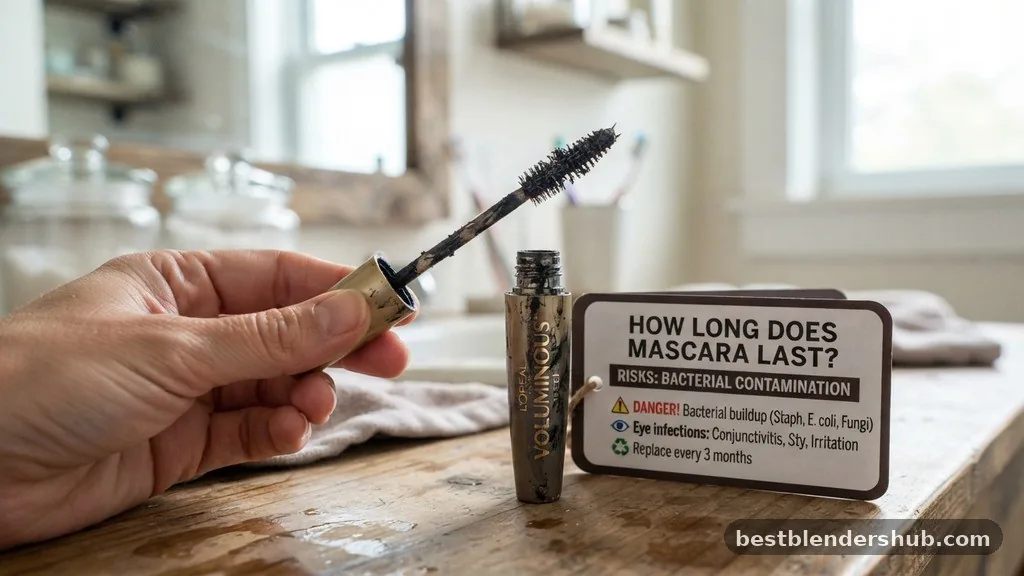
One of the primary reasons mascara has such a short lifespan is the high risk of bacterial contamination. Every time you pull the mascara wand out of the tube and sweep it across your lashes, you are picking up skin cells, oils, and bacteria that naturally inhabit the eyelid and lash line.
When you push the wand back into the tube, you are effectively introducing those contaminants into the main reservoir of the product. Over time, these bacteria multiply in the dark, moist environment inside the tube, creating a breeding ground for microorganisms that can be harmful to your eyes.
Common pathogens found in old or improperly stored mascara include Staphylococcus aureus, which is naturally found on the skin but can cause significant inflammation if introduced directly into the eye. Because the eye is a highly sensitive and vulnerable organ, even a small amount of contamination can lead to an infection.
Symptoms such as redness, itching, swelling, or a persistent sensation of grit in the eye are often warning signs that your makeup may be compromised. By adhering to a strict replacement schedule, you significantly reduce the likelihood of these bacteria reaching a concentration that can cause a clinical infection like conjunctivitis, commonly known as pink eye.
Recognizing the Signs of Formula Degradation
Even before the three-to-six-month mark, your mascara may start to show physical signs that it has reached the end of its useful life. The most obvious sign is the formula beginning to dry out. As the solvents in the mascara evaporate, the product loses its smooth texture, becoming thick, gloopy, or chalky.
When you notice that you have to pump the wand excessively or use extra effort to coat your lashes, it is a clear indication that the chemistry of the product has changed. This change makes it much harder to apply the mascara evenly, often resulting in clumping or “spidery” lashes that look unnatural.
Another sign of degradation is a change in the scent or the consistency of the product. Mascara should have a neutral, slightly chemical smell; if you notice a sharp, sour, or “off” odor, the preservatives have likely failed, and the product should be discarded immediately. Additionally, if the product begins to flake off throughout the day despite having previously performed well, it is a sign that the polymers and waxes in the formula are breaking down.
When these ingredients degrade, they no longer adhere to the lashes as intended, leading to fallout that can irritate the eyes and ruin your makeup look. Do not attempt to “revive” your mascara with water or oil drops, as this further compromises the preservative system and accelerates bacterial growth.
The Impact of Eye Makeup Hygiene Practices
How you handle your mascara wand can drastically affect how long your product remains safe to use. Many people develop the habit of “pumping” the wand in and out of the tube to pick up more product, but this is one of the most detrimental things you can do for eye makeup hygiene. Pumping forces air into the tube, which speeds up the drying process and introduces environmental debris and bacteria into the dark, liquid interior.
Instead of pumping, gently swirl the wand inside the tube to coat the bristles evenly. This simple adjustment preserves the formula’s texture and keeps the environment inside the tube as sanitary as possible for as long as possible.
Furthermore, you should never share your mascara with others. Even if you trust the person, everyone has a unique microbiome of bacteria on their skin and eyelashes. Sharing brushes or applicators is a primary vector for transmitting eye infections.
Additionally, always make sure to remove your mascara completely before going to bed. Sleeping in mascara not only dries out your natural lashes, potentially leading to breakage, but it also increases the contact time between any residual bacteria on the lashes and the delicate eye tissue. Using a gentle, oil-based cleanser or a dedicated makeup remover ensures that no debris is left behind, allowing your eyes to recover and breathe overnight.
Addressing Common Questions: Can I Use Old Mascara?
A frequently asked question is whether you can safely use mascara that is years old, perhaps even if it was never opened. The short answer is that you should exercise extreme caution. If a tube of mascara has been sitting in a drawer for five years, even if it is unopened, it is highly likely that the chemical components have separated or degraded.
The preservatives may no longer be effective, and the waxes and pigments may have undergone physical changes that make the product unsafe or ineffective. Using such a product is a gamble that is rarely worth the minor cost savings.
If the mascara is five years old and has been opened, it should be discarded without hesitation. The risk of using a product that has likely been exposed to bacteria for years is significant. The potential for developing a severe eye infection far outweighs any benefit of getting one or two more uses out of an ancient tube.
When in doubt, perform a “sniff test” and check for any separation in the liquid. If the texture looks off, smells strange, or has caused even the slightest bit of irritation in the past, it is time to part ways with the product. Cosmetics are meant to be enjoyed, but they must be treated as the perishable goods they are.
How Lifestyle and Usage Patterns Influence Longevity
The frequency with which you wear mascara also plays a role in its lifespan. Someone who wears mascara every single day is cycling the wand in and out of the tube hundreds of times, which exposes the formula to more air and contaminants than someone who only wears it for special occasions. However, even if you are a light user, you cannot keep a tube for a year just because you haven’t “used it all.”
The expiration date is linked to the opening date, not the remaining volume of the product. The oxidation process continues regardless of how much mascara is left in the tube.
If you find that you frequently have to throw away mascara because it dries out before you finish it, consider opting for “mini” or travel-sized tubes. These smaller versions contain less product, which is often easier to finish within the recommended three-month window.
This approach is not only more hygienic but also more cost-effective, as you are less likely to waste large amounts of dried-up product. By matching the size of your purchase to your actual usage habits, you can maintain a cleaner makeup bag and ensure that every application is fresh, smooth, and safe for your eyes.
The Importance of Proper Storage
Where you store your makeup has a direct impact on its shelf life. Many people keep their cosmetics in the bathroom, but the humidity from showers and the temperature fluctuations from hot water can cause mascara to degrade faster than it would in a more stable environment.
Moisture and heat are the enemies of cosmetic stability, as they can alter the chemical composition of the formula and create a more hospitable environment for bacterial growth. If possible, store your mascara in a cool, dry place like a bedroom vanity or a dedicated makeup organizer away from direct sunlight.
Direct sunlight and UV exposure can also break down the pigments and chemical bonds within the mascara, leading to a loss of color intensity and a change in the formula’s consistency. If you travel frequently, avoid leaving your mascara in a hot car or a luggage compartment where temperatures can spike.
Extreme heat can cause the mascara to liquefy or become gummy, making it impossible to achieve a clean application. By keeping your makeup in a stable, temperate environment, you help preserve the product’s performance for the duration of its intended life, ensuring that your lashes look their best every time you reach for the tube.
Why Gen Z and Modern Trends Prioritize Safety
There has been a noticeable shift in how younger generations approach beauty, with a stronger emphasis on “clean” beauty and safety-conscious habits. While some might jokingly suggest that Gen Z has stopped wearing mascara due to a preference for “no-makeup” looks or lash extensions, the reality is that many are simply more informed about the long-term effects of poor hygiene. The rise of social media education regarding cosmetics safety has highlighted the dangers of using expired products, leading to a culture where replacing makeup regularly is seen as a sign of self-care rather than wastefulness.
Modern beauty enthusiasts are increasingly aware that the eyes are a gateway to systemic health. The movement toward transparency in ingredients and the focus on the shelf life of products are part of a broader shift toward wellness-oriented beauty routines. By understanding the science behind why mascara expires and the risks associated with bacterial contamination, users are taking control of their health.
Whether you prefer a dramatic, voluminous look or a subtle enhancement, the key to beautiful lashes is a combination of quality products, careful application, and the discipline to replace your mascara when the time comes. This mindful approach ensures that your beauty routine supports, rather than detracts from, your overall wellbeing.
Final Thoughts on Maintaining Lash Health
Ultimately, the question of how long does mascara last is answered by both the manufacturer’s guidelines and your own vigilance. While the industry standard of three to six months is the golden rule, your personal habits—such as avoiding pumping the wand, storing the product correctly, and never sharing your makeup—are the final line of defense against irritation and infection.
If you notice your mascara flaking, smelling strange, or causing your eyes to water, do not wait for the calendar to tell you it is time to replace it. Listen to your body and prioritize the safety of your vision over the contents of a tube.
Investing in your eye health means being proactive. Keep track of when you open a new tube, perhaps by setting a recurring reminder on your phone or marking the date on the packaging. When you cultivate these small, consistent habits, you eliminate the stress of wondering if your makeup is still safe.
Your lashes serve a functional purpose in protecting your eyes, and the makeup you apply to them should respect that duty. By staying educated and keeping your makeup bag tidy and current, you can enjoy the confidence that comes with long, beautiful lashes without compromising your health or comfort. Treat your mascara as a temporary tool, enjoy it while it lasts, and know when to say goodbye to ensure your eyes remain bright and clear.

Jamesmathew is an expert Amazon affiliate writer, helping readers discover top products, smart deals, and practical buying guides through honest reviews and insightful content.