

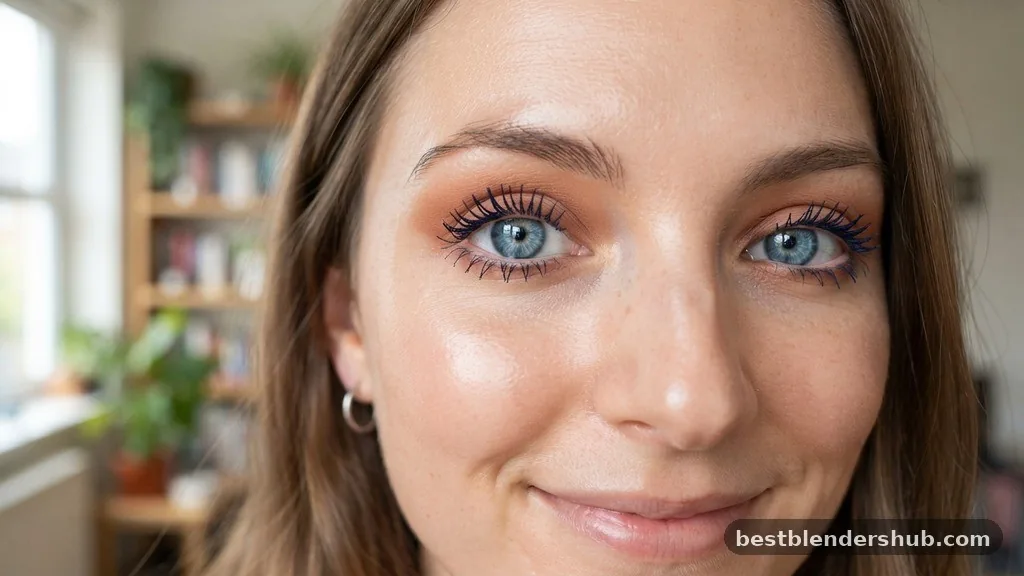
Selecting the ideal mascara shade for blue eyes is a subtle art that hinges on understanding color theory and the specific undertones of your iris. While many people default to classic black, those with blue eyes have a unique opportunity to enhance their natural vibrancy by experimenting with different pigment intensities and hues. By choosing the right shade, you can create a striking contrast that makes your eyes appear brighter and more defined, effectively shifting the focus to your gaze.
The Role of Color Theory in Eye Makeup
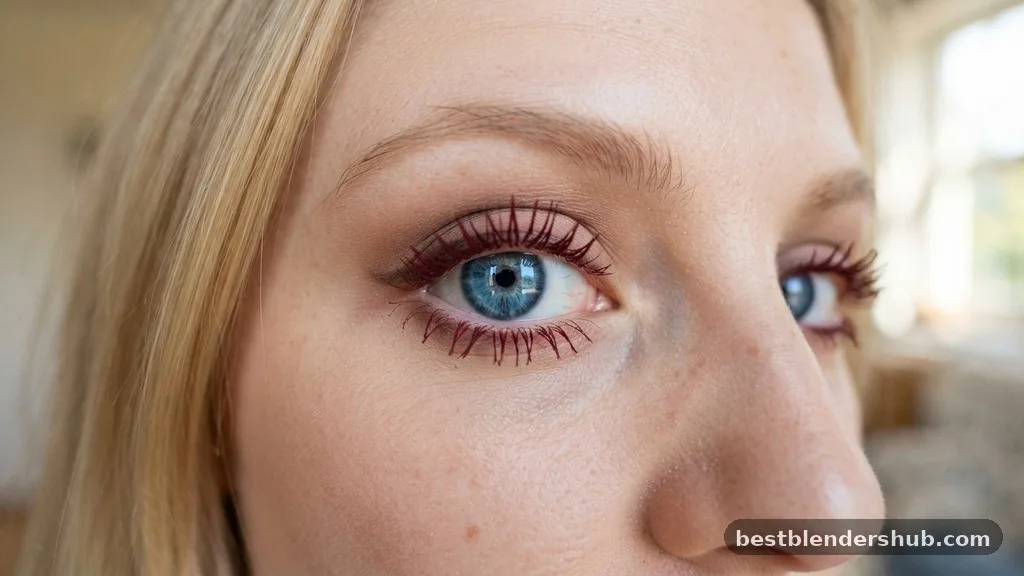
Color theory serves as the foundation for all professional makeup artistry, providing a logical framework for how different hues interact with one another. When you are determining what color mascara for blue eyes works best, you are essentially looking for shades that sit opposite or adjacent to blue on the color wheel.
The primary goal is to create a sense of harmony or high-contrast interest that draws attention to the iris. Because blue is a cool-toned color, warm-toned pigments often provide the most effective contrast, causing the blue in your eyes to appear more saturated and vivid.
Understanding the temperature of your skin and hair also plays a vital role in this selection process. If your blue eyes are accompanied by cool-toned skin, you might find that certain plum or violet undertones harmonize beautifully without clashing.
Conversely, if your skin has golden or olive undertones, warmer shades like copper or bronze can make your eyes look exceptionally clear. By leveraging the principles of complementary colors, you can move away from the traditional, sometimes harsh look of jet-black mascara and embrace options that elevate your overall makeup look with intentionality.
Why Navy Mascara is a Classic Choice
Navy mascara is frequently cited by makeup artists as the secret weapon for those with blue eyes, and for good reason. It functions as a sophisticated, toned-down alternative to black, providing necessary lash definition while picking up the cool tones already present in the iris. When you apply a deep navy, the blue pigment in the mascara reflects light in a way that makes the white of your eyes appear brighter and clearer, effectively reducing the appearance of any redness or fatigue.
The magic of navy lies in its ability to act as a neutral while still providing a subtle pop of color. It is professional enough for a standard office environment but offers enough intrigue to stand out during an evening event. For individuals who are intimidated by bright colors but want to move away from standard black, navy is the perfect entry point.
It creates a soft, ethereal look that enhances the depth of blue eyes rather than overpowering them. Because it shares the same base color family, it reinforces the natural blue, making your eyes look like they have a more intense, saturated hue than they do when surrounded by standard dark carbon pigments.
Harnessing the Power of Plum and Violet Undertones
If you want to experiment with a more noticeable shift, violet and plum shades are arguably the most transformative options for blue-eyed individuals. These colors contain enough warmth to create a distinct color contrast against the coolness of blue, making the eyes appear to “pop” with newfound energy. Plum shades, in particular, bridge the gap between a neutral brown and a vibrant purple, offering a sophisticated look that is universally flattering across different ages and skin tones.
The violet undertones found in these mascaras work to counteract any yellow or muddy tones in the whites of the eyes, which naturally enhances the clarity of the blue. When you opt for a deep eggplant or a muted plum, you are choosing a shade that feels intentional and artistic.
It is a fantastic choice for those who want to move away from monochromatic makeup and embrace a more expressive style. Whether you choose a subtle hint of purple or a bold, royal violet, these shades work by creating a soft, warm perimeter that makes the cool blue of your eyes look significantly more vibrant and awake.
The Impact of Warm Terracotta and Copper Pigments
For those who want to push the boundaries of traditional makeup, incorporating warm terracotta or copper pigments into your eye makeup routine can be a game-changer. These colors are the direct opposite of blue on the color wheel, which means they provide the highest possible level of contrast. When you apply a copper-toned mascara, you are essentially surrounding your blue eyes with a warm, metallic glow that makes the iris look like a piece of jewelry.
Copper and terracotta shades are especially effective for people with blue eyes that contain hints of gold or amber. By pulling those hidden warmer tones out of the iris, the copper mascara makes the eyes look multifaceted and complex. While these shades are bolder, they can be worn quite naturally if you keep the rest of your makeup neutral.
A simple lash coating of a metallic or burnt-orange mascara creates a focal point that is both modern and visually striking. It is a bold move that pays off by making the blue in your eyes seem more intense and luminous.
Choosing Between Dark Brown and Jet Black
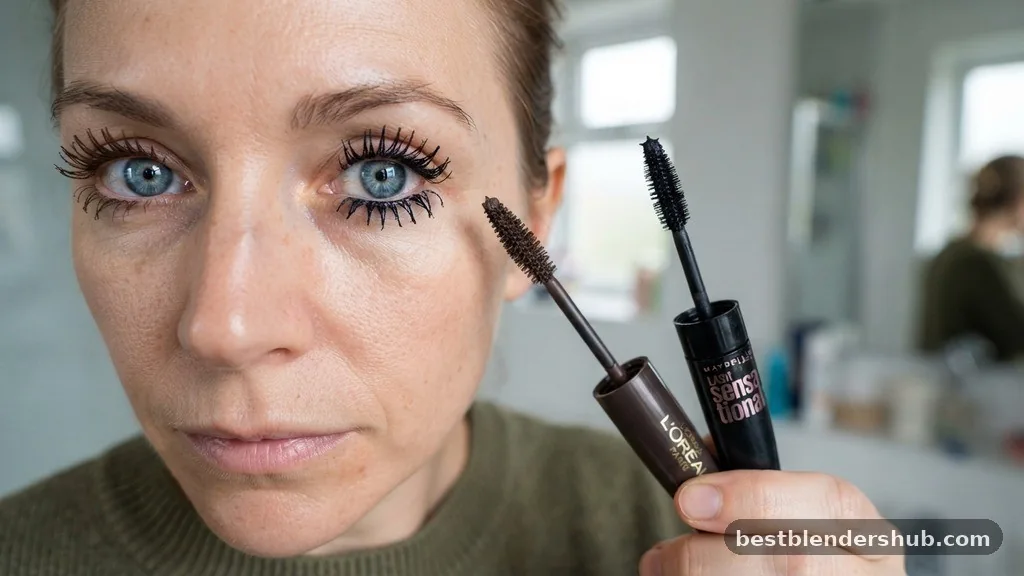
While colored mascaras offer exciting opportunities for variation, understanding when to stick to the basics—dark brown and black—is equally important. Many people assume that black is the only option for defining lashes, but for those with very fair skin or light blue eyes, black can sometimes be too harsh, drawing attention to the mascara rather than the eye color itself. In these instances, a deep, chocolate-toned dark brown can be a much softer, more harmonious choice.
Dark brown provides the necessary lash definition and volume without the stark, high-contrast framing of black. It creates a natural, “no-makeup” look that allows the blue of your eyes to remain the center of attention.
If you are aiming for a soft, daytime aesthetic, brown is often superior to black because it mimics the natural color of most people’s lash roots. However, if you have very dark hair or are looking for a dramatic, high-impact evening look, a rich, carbon-black mascara remains the gold standard for creating the depth needed to make blue eyes appear striking and intense.
Navigating Metallic Mascara Trends
Metallic mascara is a fun, playful way to add a touch of glamour to your look, but it requires a strategic approach when you have blue eyes. Gold or bronze metallic mascaras can work wonders by highlighting the natural flecks of color within your iris, while silver or cool-toned metallic mascaras can lean into the icy nature of a pale blue eye. The key to wearing metallic mascara successfully is to focus on the tips of the lashes or to use it as a top coat over a standard dark base.
Using a metallic finish on just the outer corners of your lashes can create an elongated, cat-eye effect that draws attention to the shape of your eyes. Because blue eyes often have a reflective quality, the shimmer in a metallic mascara can mimic that light-catching nature, making the eyes appear more dynamic.
Just ensure that the finish is high-quality and not too chunky, as you want the metallic particles to catch the light subtly rather than appearing like glitter. When done right, this look is perfect for parties or creative photoshoots where you want your eye color to be the star of the show.
Considering Lash Definition and Formula Intensity
Beyond the color itself, the formula and intensity of your mascara are crucial for how it interacts with your eye color. A mascara that is too thin or watery will not provide the lash definition necessary to frame your eyes, which can actually make your eyes look smaller or less defined.
You want a product that offers enough pigment intensity to provide a solid line of color against your lash line. If the mascara is too translucent, the color will get lost, and the intended effect on your blue eyes will be minimized.
When choosing a formula, consider the length and volume you desire. If your lashes are naturally sparse, opt for a volumizing formula in a deep plum or navy, as the added thickness will help the color stand out more effectively. If you already have long, thick lashes, a lengthening or defining formula in a brighter or more metallic shade can work beautifully.
The goal is to ensure that the color is concentrated at the base of the lashes, which provides the most benefit to the appearance of the iris brightness. Always prime your lashes if you are using a lighter or more unconventional color to ensure the true hue shows up properly.
Makeup Artistry Tips for Enhancing Blue Eyes
To truly maximize the effect of your chosen mascara, it helps to integrate it into a broader look that supports your eye color. Neutral makeup is often the best companion for a colored mascara, as it prevents the look from becoming too chaotic or overwhelming.
A soft, champagne-toned eyeshadow or a simple matte beige lid can create a clean canvas that lets your blue eyes and your chosen mascara shade take center stage. You do not need complex techniques to make your eyes look better; often, simplicity is the most effective route.
Another piece of advice from the world of makeup artistry is to pay attention to your lower lash line. Applying a touch of the same colored mascara to your lower lashes can create a cohesive look that frames the eye completely. If you are using a bold color like violet or copper, try to balance it by keeping your eyeliner either nonexistent or very thin.
This ensures that the mascara remains the primary focal point. Finally, remember that your choice of mascara can change depending on your outfit or the season; what works for a summer day might feel different than what you want for a winter evening.
Overcoming Common Challenges with Colored Mascara
One of the most common concerns for those trying colored mascara for the first time is whether it will look “too much” or feel unprofessional. The reality is that modern formulations are much more subtle than the bright, neon mascaras of the past.
Most colored mascaras available today are designed to look like a deep, rich tint under normal lighting, only revealing their true color when the light hits your lashes directly. This makes them perfectly appropriate for almost any setting.
If you are worried about the color looking odd, start by applying your usual black mascara to the base of your lashes and then layering your chosen colored mascara only on the tips. This technique allows you to enjoy the benefits of a colored look while maintaining the depth and definition that you are comfortable with. As you become more confident, you can apply the color closer to the roots.
Additionally, if you find that a particular shade isn’t working for you, don’t be afraid to experiment with different brands. Sometimes, the issue isn’t the color itself but the pigment density or the brush type. By adjusting your approach, you can find a combination that makes your blue eyes look their absolute best, regardless of your personal style or comfort level with bold beauty choices.
Adapting Your Routine for Different Lighting and Seasons
As you refine your approach to choosing the right mascara, it is important to consider how different environments influence your look. Lighting plays a significant role in how pigments interact with your iris. In bright, natural sunlight, a navy or plum mascara will appear quite vibrant, highlighting the cool tones of your blue eyes.
Under artificial, dim lighting, these same colors might appear nearly black, providing a subtle, sophisticated depth that feels appropriate for evening wear. Understanding this fluctuation can help you feel more confident in your color choices, knowing that your look will naturally evolve throughout the day.
Seasonality also offers a natural rhythm for changing your mascara shades. During the spring and summer, you might find that warmer, brighter tones like copper or even a lighter violet feel more aligned with the colors of the season and your wardrobe. These shades can emphasize the freshness of your look.
In the autumn and winter months, deeper, more muted tones like navy or dark eggplant can complement the richer, warmer clothing palettes we tend to wear. By rotating your mascara colors, you not only keep your makeup routine interesting but also ensure that your eyes are always presented in a way that feels balanced with your overall aesthetic.
Final Thoughts on Finding Your Signature Look
Ultimately, the best mascara color for blue eyes is one that makes you feel confident and excited about your appearance. While color theory provides the roadmap, your personal preference should always be the driver.
Whether you find that a deep, moody navy brings out a hidden intensity in your gaze, or you fall in love with the way a warm copper makes your eyes sparkle, the process of experimentation is where you will discover what works best for your unique features. Don’t be afraid to try multiple brands and formulations to see how they perform on your specific lash type.
Remember that makeup is a tool for self-expression. There are no rigid rules, only suggestions for how to enhance your natural beauty. By understanding how different shades interact with the blue of your iris, you are better equipped to make informed choices that highlight your best features.
Keep your makeup routine fun, stay curious about new products, and enjoy the subtle, powerful impact that the right mascara can have on your overall look. Your blue eyes are a versatile feature that can be transformed by the simple application of color, and the perfect shade is waiting for you to find it.

Jamesmathew is an expert Amazon affiliate writer, helping readers discover top products, smart deals, and practical buying guides through honest reviews and insightful content.