

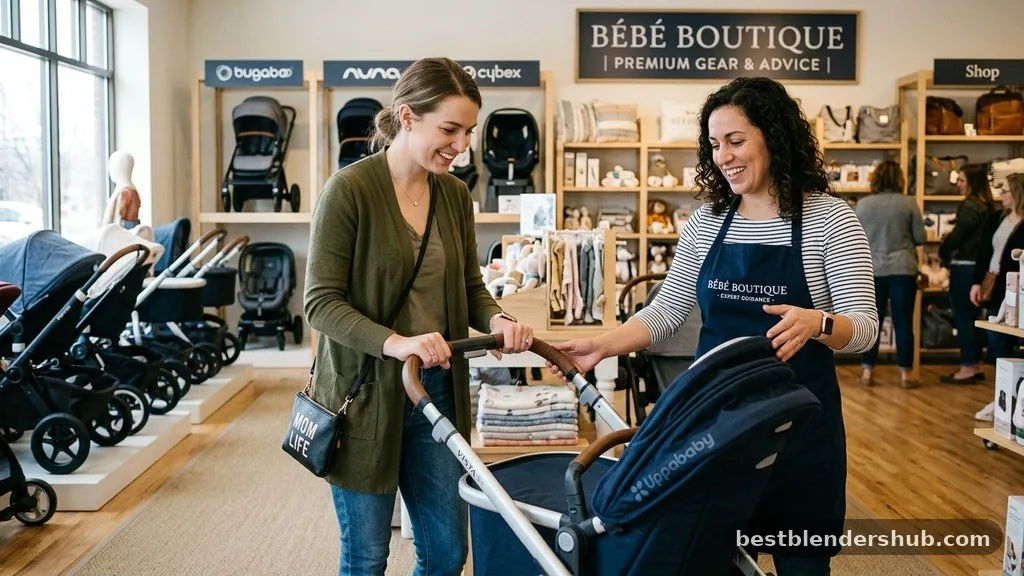
Deciding where to buy a stroller is one of the most significant logistical steps for expecting parents. Because this piece of equipment serves as your primary vehicle for transporting a baby, choosing the right source ensures you receive a product that meets all juvenile product safety standards.
Whether you prefer the tactile experience of testing models in person or the convenience of browsing vast digital inventories, knowing the nuances of each shopping channel saves time and money. This article highlights the best ways to acquire high-quality gear while balancing your budget, warranty needs, and personal shopping preferences.
In-Store Shopping and the Importance of Demos
Visiting physical stroller retailers allows you to perform test driving strollers before committing to a purchase. While online images provide a basic look, they cannot replicate the feel of the suspension or the ease of the folding mechanism. A hands-on approach is often the only way to determine if a specific model fits comfortably in your trunk or maneuvers well with your unique stride.
Benefits of Visiting Baby Gear Boutiques
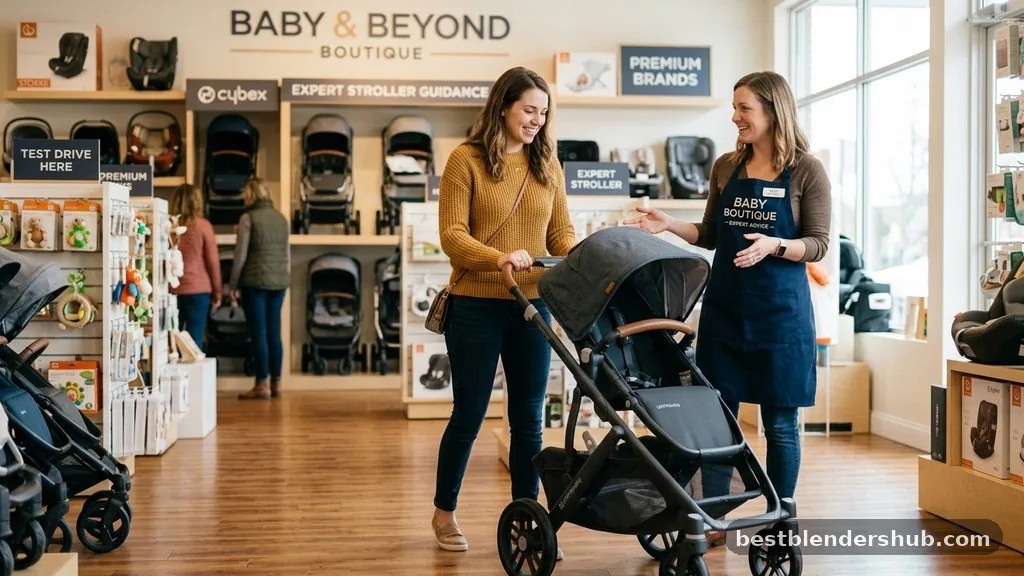
Local boutiques often provide a curated selection of premium brands that you might not find in big-box stores. Staff members in these shops are typically trained experts who understand the technical differences between travel systems and convertible strollers. When you shop here, you benefit from:
- Personalized consultations tailored to your specific lifestyle.
- The ability to test weight distribution on different surfaces.
- Immediate availability of floor models for comparison.
- Direct access to experts who can explain complex stroller accessories.
What to Check During In-Store Demos
When you arrive at a store, don’t be afraid to put a weighted doll in the seat to simulate your child’s weight. Test the brakes, adjust the handlebar height, and practice collapsing the unit with one hand. Pay attention to the fabric quality and the sturdiness of the frame. If a store does not allow you to take the display model for a “test drive” around the floor, consider looking for a different retailer that prioritizes customer experience.
Navigating Online Marketplaces and Registries
Buying online is the standard for many parents due to the sheer variety of options available at the click of a button. Major online baby registries aggregate reviews from thousands of parents, which can be an invaluable resource. However, buying digitally requires a keen eye for authenticity and a clear understanding of seller policies.
Identifying Manufacturer-Authorized Dealers
Always verify that you are purchasing from a manufacturer-authorized dealer to ensure your warranty coverage remains valid. Many high-end brands will not honor warranties if the product was purchased through an unauthorized third-party marketplace. Check the manufacturer’s website for a list of trusted partners before finalizing your transaction.
Comparing Retailer Policies
Before clicking “buy,” examine the fine print regarding logistics. Not all retailers offer free return shipping, which can be a massive hidden cost if you decide the stroller doesn’t fit your needs. Use the table below to compare how different types of retailers generally handle the post-purchase experience.
| Retailer Type | Return Policy | Warranty Support | Pricing Strategy |
|---|---|---|---|
| Big-Box Retailers | Flexible/Standard | Manufacturer Direct | Frequent Discounts |
| Specialty Boutiques | Often Restrictive | High-Touch Assistance | Premium Pricing |
| Online Marketplaces | Varies by Seller | Often Limited | Competitive/Variable |
Addressing Topical Gaps: Secondary Markets and Liquidators
Many parents wonder if they should look at baby equipment liquidators or second-hand platforms to save money. While these options are budget-friendly, they come with unique risks regarding safety and wear. Understanding how to navigate these channels is essential for those looking to stretch their dollar without compromising child safety.
Risks of Used Equipment
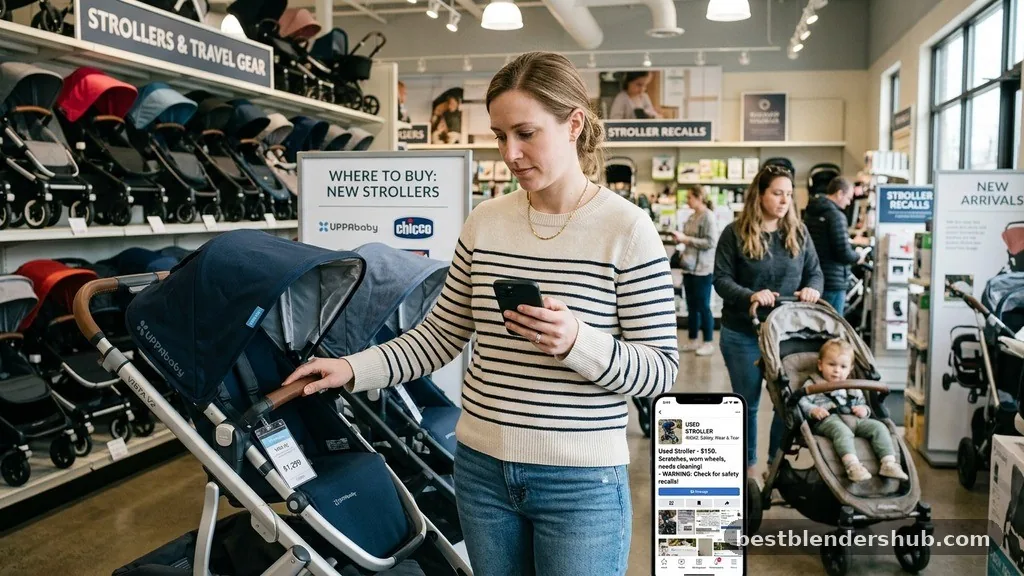
When you buy a used stroller, you lose the safety net of a factory warranty and the assurance of a recent consumer product testing stamp of approval. Older models might have been subject to recalls that the previous owner never addressed. If you choose this route, always search the manufacturer’s database for the serial number to ensure no active safety alerts exist for that specific unit.
The Role of Liquidators and Closeout Sales
Sometimes, large retailers sell overstock or returned items through liquidators at a fraction of the original price. This can be a great way to find a high-end lightweight umbrella strollers model that would otherwise be out of budget. Inspect these items thoroughly for mechanical integrity. If the frame is bent or the locking mechanism is sluggish, move on; no discount is worth a compromise in safety.
Essential Considerations Before You Buy
Regardless of where you shop, you must define your needs before visiting a store or browsing a website. A stroller is a long-term investment that should grow with your family.
Matching Lifestyle to Stroller Type
Think about your daily routine. Do you live in a city with narrow subway turnstiles, or do you live in the suburbs with plenty of trunk space? A convertible stroller is excellent for growing families, but it is often heavier and bulkier. A lightweight umbrella strollers model is perfect for travel but might lack the storage and comfort features needed for infants or long walks.
Reviewing Safety Certifications
Always look for the JPMA (Juvenile Products Manufacturers Association) seal. This indicates that the product has been tested to meet current juvenile product safety standards. Never prioritize aesthetics or brand prestige over these verified safety certifications.
Conclusion
Deciding where to buy a stroller depends heavily on your comfort level with digital research versus physical testing. While online platforms offer unmatched selection and price comparisons, visiting a local boutique provides the hands-on experience necessary to confirm that a model truly fits your lifestyle. Always prioritize purchasing through authorized channels to guarantee your warranty remains intact, and never ignore the importance of safety certifications.
By balancing your budget with these practical considerations, you can confidently select the perfect stroller for your family. If you have specific questions about a brand or a particular model, feel free to reach out to local retailers or manufacturers directly to clarify their support policies before you finalize your purchase.
Frequently Asked Questions
Is it better to buy a stroller online or in-store?
In-store is better for testing maneuverability, while online is better for comparing prices and checking customer reviews.
What is a reasonable price for a stroller?
Prices range from $100 for basic umbrellas to over $1,200 for premium, full-featured modular travel systems.
How do I verify if a retailer is authorized?
Visit the manufacturer’s official website and search their “where to buy” or “authorized retailer” locator tool.
Are used strollers safe to purchase?
Only if you check for recalls, inspect the frame for damage, and ensure all safety locks function.
What should I look for during a test drive?
Check the folding mechanism, handlebar adjustability, brake responsiveness, and overall weight when pushing it on different surfaces.
Do all strollers come with a warranty?
Most new strollers include a limited warranty, but it is often voided if purchased through unauthorized third-party sellers.
Can I buy stroller accessories separately later?
Yes, most brands sell accessories like cup holders and rain covers, but check compatibility for your specific model.

Jamesmathew is an expert Amazon affiliate writer, helping readers discover top products, smart deals, and practical buying guides through honest reviews and insightful content.