

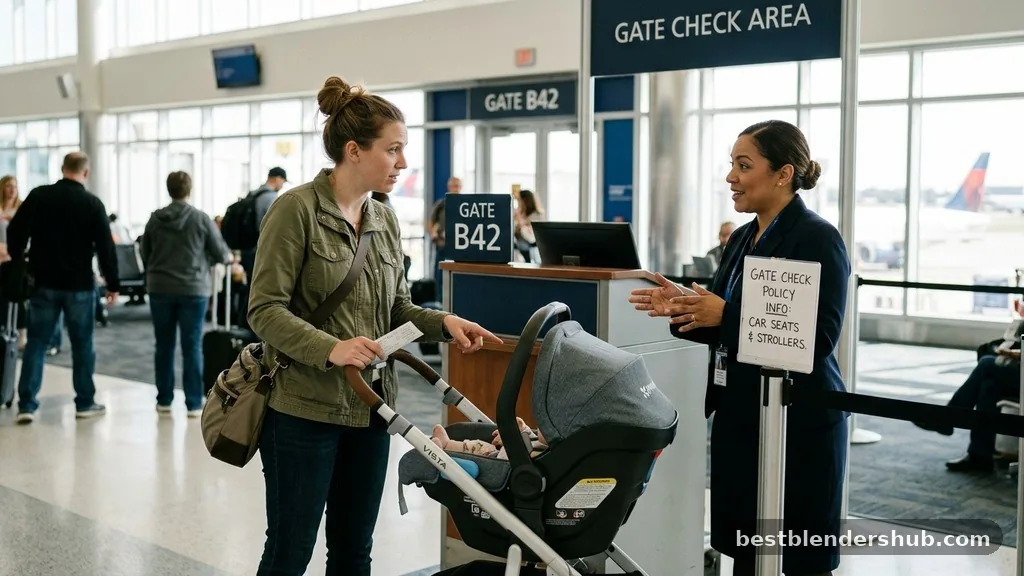
Traveling with children requires significant planning, especially when you are trying to figure out if you can gate check a car seat and stroller to simplify your journey through the terminal. Many parents find themselves juggling bulky infant travel gear while navigating the TSA security checkpoint, leading to natural questions about what equipment must be surrendered at the check-in counter versus what can be taken to the aircraft door.
Understanding the nuances of airline policy regarding these items can save you from unnecessary stress, extra fees, or potential damage to your expensive equipment. By knowing exactly how to handle your travel system before you reach the boarding area, you can focus on managing your little ones rather than worrying about your stroller’s status.
Understanding Airline Policies for Gate Checking
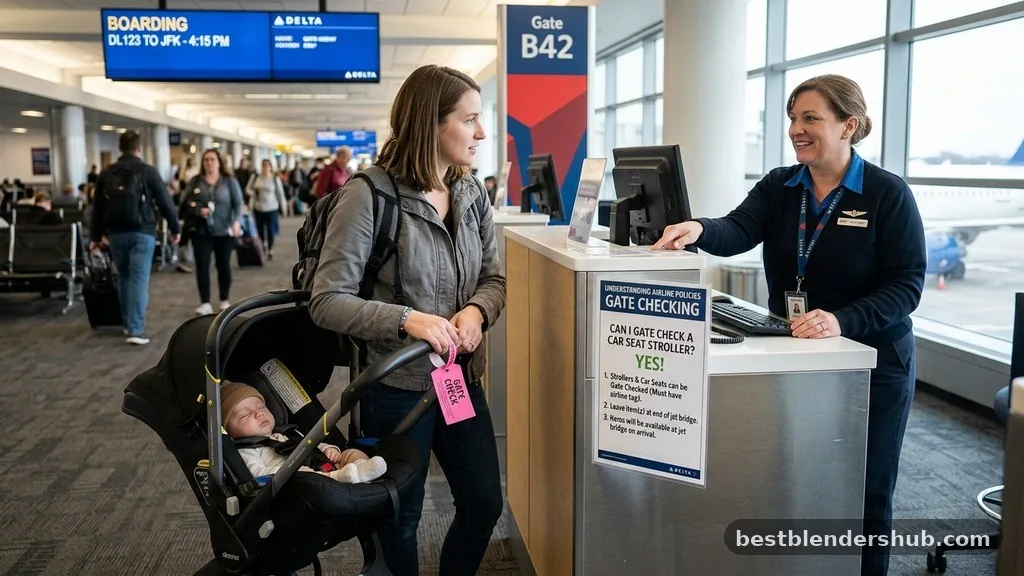
Most major airlines allow you to gate check a car seat and stroller for free, though specific rules vary by carrier. When you gate check an item, you hand it over to the ground crew right before you walk down the jet bridge.
They stow it in the cargo hold and return it to you at the aircraft door upon arrival. This is generally the preferred method because it minimizes the time your gear spends in the baggage handling system, which is notorious for rough treatment.
However, you should always check the specific website of the airline you are flying with, as checked baggage policies change frequently. While some carriers permit both items to be checked at the gate at no extra cost, others may require one of them to be treated as part of your standard checked items allowance. If you are traveling with a large travel system, you might find that the base and the seat need to be separated, which can complicate the process during the boarding rush.
Preparing Your Gear for the Tarmac
To ensure your equipment survives the flight, you must invest in protective measures before heading to the airport. Even though you are gate checking, your stroller will be moved around by baggage handlers who are often working under tight time constraints. A durable, padded stroller bag is essential for keeping your gear clean and preventing minor components from snapping off during transport.
Beyond protection, you need to ensure your equipment is ready for the flight crew to handle it quickly. Remove any loose items like cup holders, snack trays, or hanging toys, as these are easily lost in the shuffle.
If you are using a modular travel system, make sure you know exactly how to collapse it into a single unit. If the stroller doesn’t fold compactly, the gate agent might force you to check it as oversized luggage, which could result in it being sent to baggage claim instead of being returned to you at the gate.
Navigating the TSA Security Checkpoint
Getting through security with a child and multiple pieces of equipment is often the most stressful part of the trip. You are required to send your stroller through the X-ray machine, which means you must be able to fold it down completely. If your stroller is too large to fit through the scanner, the security officers will perform a manual inspection, which can add significant time to your wait.
Your FAA-approved car seat must also undergo screening. While you can usually keep your child in your arms, the car seat itself must be placed on the belt.
Some airports have specialized lanes for families that are better equipped to handle large items, so look for signage or ask a security agent if a more efficient path is available. Being prepared to break down your gear quickly will help you move through the TSA security checkpoint without holding up the line.
| Item Type | Gate Check Eligibility | Best Practice |
|---|---|---|
| Standard Stroller | Almost always allowed | Use a protective travel bag |
| Full Travel System | Varies by size | Check weight limits beforehand |
| Car Seat | Allowed on most flights | Check if it fits in your seat |
| Double Stroller | Often requires special check | Verify with gate agent early |
Addressing Common Travel Gaps
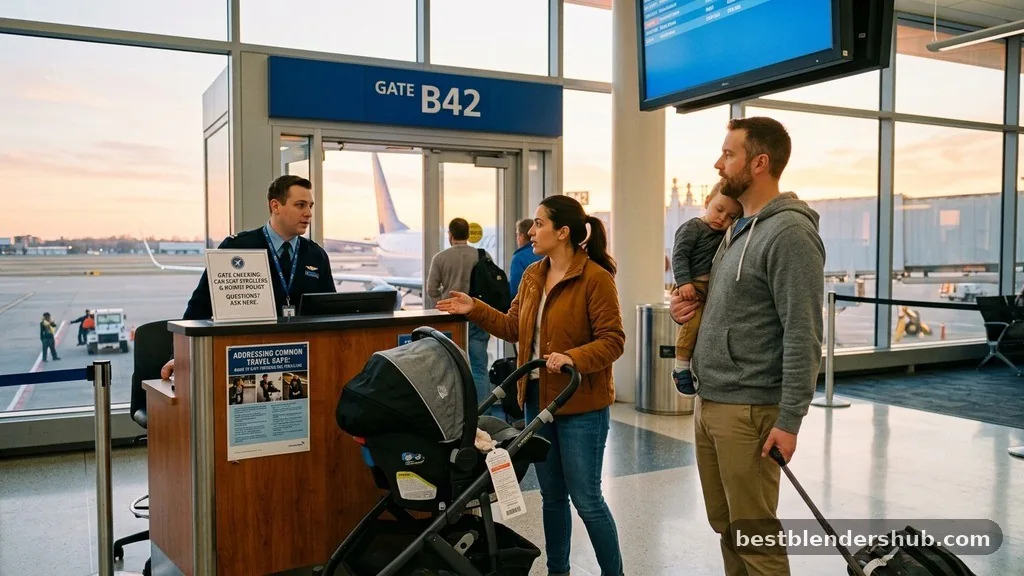
Many parents ask if they can gate check a car seat and stroller if they are flying internationally or on a budget carrier. International flights often have stricter size restrictions for cabin items, and some foreign carriers do not permit gate checking at all, requiring everything to be processed at the main check-in desk. Always confirm if your destination airport has the facilities to return gate-checked items to the aircraft door, as some hubs mandate that all strollers be picked up at the baggage claim area regardless of where they were dropped off.
Another common concern involves the carry-on allowance. Most airlines exempt strollers and car seats from your personal item or carry-on limit, but this is a courtesy, not a universal law.
If you attempt to bring a massive, non-collapsible jogging stroller, the airline may classify it as oversized luggage and charge you a fee. Always measure your stroller dimensions before leaving home to ensure they meet the airline’s “compact” criteria, which usually dictates that the item must fold into a reasonable size for the cargo hold.
Maximizing Convenience When You Fly
To make the process as smooth as possible, arrive at the gate early to request your gate check tag. The gate agent will attach a durable tag to your items, which acts as a barcode for the baggage crew. Once you have the tag, keep your gear near the boarding area until your group is called.
- Confirm the airline’s policy on car seats and strollers 24 hours before your flight.
- Use a high-visibility tag on your stroller bag to make it easier to spot on the jet bridge.
- Practice folding your stroller at home until you can do it in under 10 seconds.
- Carry your child in a soft carrier through the terminal to keep your hands free.
- Check if your car seat is FAA-approved if you plan on using it in the aircraft seat.
If you find that your stroller is too cumbersome, consider renting one at your destination. Many travel experts recommend this for longer trips to avoid the wear and tear associated with constant gate checking. However, if you insist on bringing your own, ensure you have a plan for how to transport it if the airline refuses to return it to the gate, such as having a lightweight umbrella stroller as a backup.
The Importance of FAA-Approved Gear
Using an FAA-approved car seat is a vital safety consideration if you decide to bring the seat onto the plane rather than checking it. Look for the label that explicitly states it is certified for use in motor vehicles and aircraft. When you use the seat on the plane, your child is safer during turbulence, and you have the peace of mind that your equipment isn’t being tossed around in the cargo hold.
If you decide to check the car seat instead, you lose that extra layer of safety, but you gain more legroom. This is a personal trade-off that many parents make when travel with toddlers. If you do check it, ensure it is wrapped in heavy-duty plastic or a dedicated car seat bag to prevent grease and grime from damaging the upholstery.
Final Practical Considerations
When you arrive at your destination, wait patiently at the end of the jet bridge for your gear to be brought up from the tarmac. In some cases, this can take several minutes after the last passenger has deplaned. If your gear doesn’t appear, contact the gate agent immediately while they are still in the vicinity.
Remember that travel with toddlers is inherently unpredictable. Having a plan for when you can gate check a car seat and stroller is just one piece of the puzzle. The more you prepare your equipment and familiarize yourself with the specific rules of your airline, the less likely you are to encounter unexpected roadblocks at the boarding gate.
Summary and Next Steps
Ultimately, knowing whether you can gate check a car seat and stroller depends largely on the specific airline’s current regulations and the size of your equipment. Most major carriers provide this service to help families, but you should always verify the details before arriving at the airport to avoid last-minute complications. Investing in a quality travel bag and ensuring your gear is compact will go a long way in protecting your investments.
By following these guidelines, you can navigate the airport with confidence and ensure your travel gear arrives at your destination in the same condition it left. If you have further questions about specific airline rules, checking their official website or calling their customer service line is always the best next step to ensure a smooth boarding process.
Can I gate check a car seat and stroller for free?
Most airlines allow free gate checking for strollers and car seats, but always verify your specific carrier’s policy.
Will my gear be damaged if I gate check it?
Damage is possible; using a padded protective bag significantly reduces the risk of scratches or broken components during transit.
Do I need a special tag for gate checking?
Yes, you must obtain a gate check tag from the gate agent before you begin the boarding process.
Can I bring a car seat on the plane?
Yes, if it is an FAA-approved car seat, you can use it in your designated aircraft seat for safety.
What if my stroller is too big to gate check?
If the stroller exceeds size limits, the airline may force you to check it as oversized luggage at the counter.
Are double strollers allowed for gate check?
Most airlines allow double strollers, but they often require more manual handling and may be treated as special baggage items.
Should I empty the stroller before gate checking?
Absolutely, remove all loose accessories and personal items to prevent loss and ensure the stroller folds as compactly as possible.

Jamesmathew is an expert Amazon affiliate writer, helping readers discover top products, smart deals, and practical buying guides through honest reviews and insightful content.