

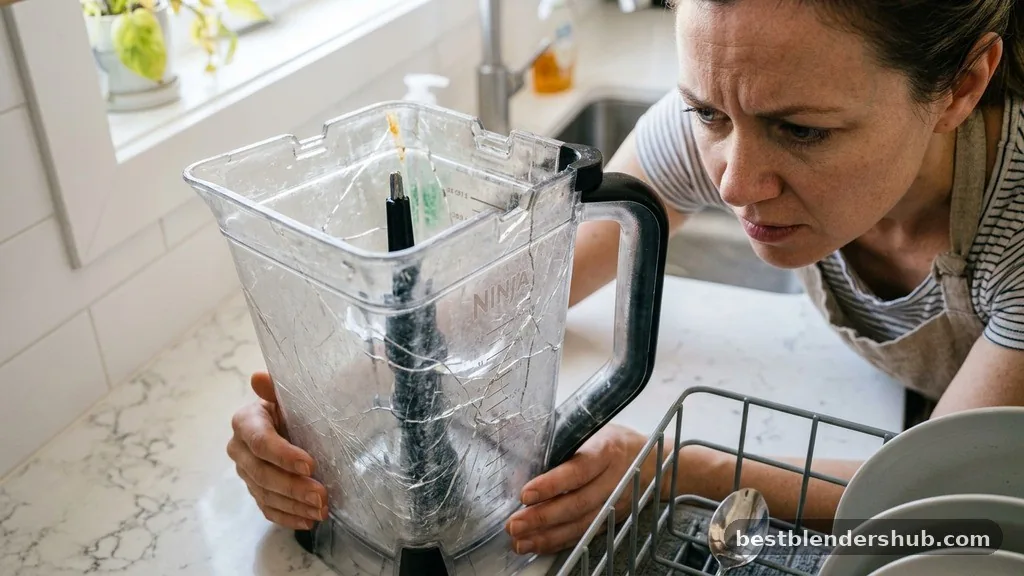
Determining if you can put a Ninja blender in the dishwasher is a common concern for home cooks looking to streamline their kitchen cleanup routine. While the convenience of automated washing is tempting, Ninja appliances consist of several distinct components with varying heat and chemical tolerances. Using the wrong cleaning method can warp plastic, dull sharp edges, or compromise the seals that keep your machine running smoothly.
Understanding which parts are truly dishwasher safe is essential to maintaining the longevity of your device and ensuring your smoothies remain free of plastic residue or mechanical failure. This overview clarifies exactly how to handle your specific blender components without causing long-term damage.
Identifying Dishwasher Safe Components
Most modern kitchen appliances are built with modular designs, and Ninja blenders are no exception. You can safely place the blender pitcher, lids, and individual blending cups in the top rack of your dishwasher, provided they are made of BPA-free plastic.
Placing these items on the upper level keeps them away from the heating element, which is the primary cause of warping and melting. Always check your specific model’s manual, as some older or specialized containers might not be rated for high-heat cycles.
The Role of Heat and Detergent
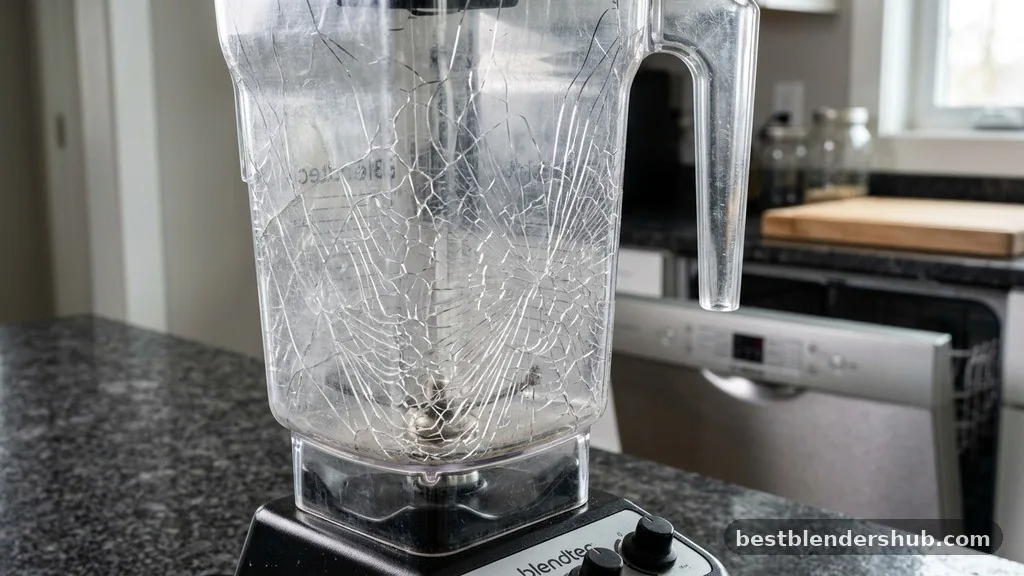
Dishwashers rely on intense heat and abrasive dish detergent to sanitize dishes, but these factors can be harsh on blender plastics. High-heat settings often exceed the thermoplastic threshold of certain pitcher materials, leading to hairline cracks that can harbor bacteria over time.
Even if a container is labeled dishwasher safe, frequent exposure to high-temperature drying cycles will eventually degrade the structural integrity of the material. If you notice your pitcher becoming cloudy or developing small, spider-web-like cracks, it is a sign that the heat has begun to compromise the plastic.
Components That Must Never Enter the Dishwasher
The most critical rule of blender maintenance is to keep the base unit and motor housing away from water entirely. These components contain the electrical heart of your machine and are not water-resistant, let alone dishwasher safe.
Submerging or spraying these parts will result in immediate electrical shorts, permanent damage, and potential fire hazards. A simple wipe-down with a damp cloth is all that is required for the exterior of the motor base.
Protecting the Blades and Gaskets
While the stainless steel blades found in many Ninja models are durable, they should generally be kept out of the dishwasher to preserve their sharpness. Dishwasher detergents are often corrosive and can cause microscopic pitting on the metal edges, leading to premature dulling.
Furthermore, the gasket—the rubber ring that creates a watertight seal—is highly susceptible to heat damage. When a gasket warps, the blender will begin to leak during operation, creating a mess and potentially allowing liquid to seep into the motor assembly.
| Component | Dishwasher Safe? | Recommended Cleaning |
|---|---|---|
| Blender Pitcher | Top Rack Only | Warm soapy water |
| Motor Base | No | Damp cloth wipe |
| Blade Assembly | No | Hand wash with brush |
| Lids and Cups | Yes (Top Rack) | Top rack or hand wash |
Effective Hand Washing Techniques
If you want your Ninja blender to last for years, hand wash remains the gold standard for cleaning. The most effective way to clean the pitcher and blades is to use warm soapy water immediately after use.
This prevents food residue from drying and hardening, which makes scrubbing much easier. Simply add a drop of dish soap and some warm water to the pitcher, run the blender for a few seconds on a low setting, and rinse thoroughly.
Addressing Stubborn Residue
Sometimes, manual scrubbing is necessary, especially if you have been making thick nut butters or fibrous green smoothies. Use a long-handled bottle brush to reach the bottom corners of the pitcher without risking your fingers against the blades.
Never use abrasive scouring pads or steel wool, as these will scratch the plastic surface and make it more difficult to clean in the future. For deep cleaning, you can soak the removable parts in a mixture of warm water and vinegar, which helps neutralize odors without damaging the plastic material.
Common Misconceptions About Ninja Models
Many users assume that because the Ninja Auto-iQ series is a robust, high-performance system, it is automatically designed to withstand industrial-strength cleaning. This is a dangerous assumption.
Regardless of the sophistication of the blending technology, the plastic and rubber materials remain sensitive to extreme thermal fluctuations. Even if you see a dishwasher-safe icon, it almost always refers to the pitcher and lid only, never the blade assembly or the motor base.
Sanitizing Cycles and Their Risks
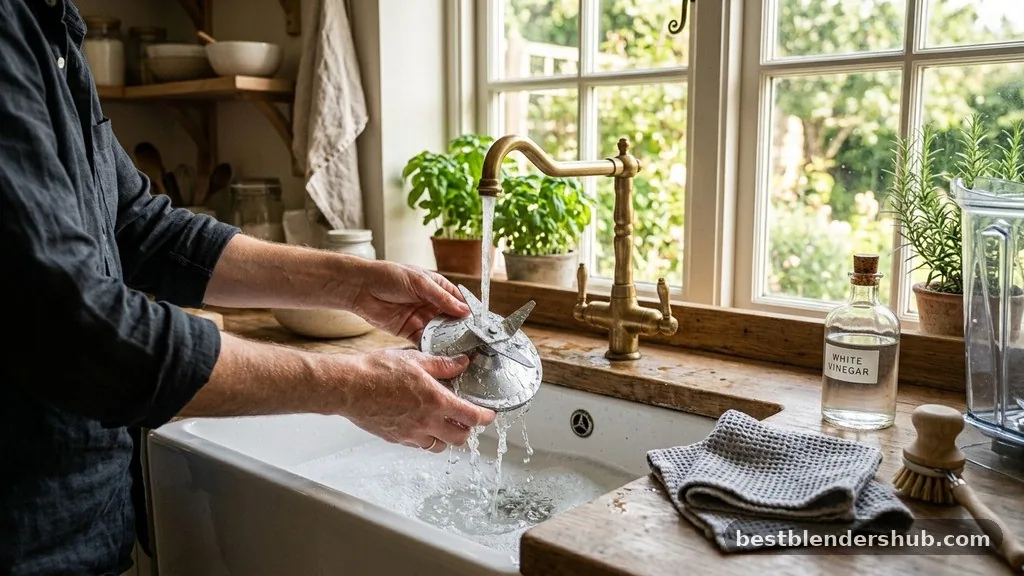
Using a sanitizing cycle on your dishwasher might seem like a great way to ensure a deep clean, but it is effectively a death sentence for blender parts. These cycles utilize extremely high temperatures that are far beyond the recommended limits for most kitchen plastics. If you feel the need to sanitize your blender, rely on food-safe sanitizing solutions or a quick rinse with diluted white vinegar rather than subjecting the plastic to prolonged, high-heat exposure.
Topical Gaps: Managing Specific Ninja Variations
A common point of confusion involves the newer portable models, such as the Ninja Blast. Because these are integrated units, the entire vessel is often sealed to protect the battery and charging ports. You should never put an integrated portable blender in the dishwasher.
The internal electronics are sensitive to moisture and heat, and the vibration of a dishwasher cycle can loosen internal connections. Always treat integrated, battery-powered blenders as non-submersible items.
Cleaning the Gasket Properly
Another frequently overlooked area is the space behind the rubber gasket. Over time, juice or smoothie ingredients can get trapped in the groove, leading to mold growth. If your blender lid has a removable gasket, take it out periodically to clean underneath with a small brush.
If the gasket is not designed to be removed, pay extra attention to that area during your manual rinse. Neglecting this part of the cleaning process is the leading cause of “funny smells” coming from a blender that otherwise looks clean.
- Always place plastic pitchers on the top rack to avoid the heating element.
- Avoid using the heated dry setting on your dishwasher to prevent plastic warping.
- Use a dedicated bottle brush to reach under the blades safely.
- Rinse immediately after use to prevent food from hardening on the plastic.
- Keep the motor base away from all water sources to protect the electronics.
- Inspect rubber gaskets regularly for signs of wear, mold, or brittleness.
- Hand wash blade assemblies to maintain their sharpness and performance.
Maintenance for Long-Term Performance
Consistency is the secret to keeping your machine in top shape. By establishing a quick post-blend routine, you avoid the need for deep, aggressive cleaning that might require the dishwasher anyway.
If you notice that your blender is no longer performing as well as it used to, check the underside of the blade assembly for debris buildup. Often, a simple manual cleaning of the seals and blade housing restores the unit to its original power and efficiency.
When to Replace Parts
Even with the best care, plastic containers will eventually show signs of fatigue. If your pitcher becomes severely scratched, it can harbor bacteria that are difficult to remove with standard hand washing.
If you notice that your blender is leaking from the bottom, the gasket has likely lost its seal and needs to be replaced. Most manufacturers sell replacement parts, which is a much more cost-effective solution than buying an entirely new appliance.
Frequently Asked Questions
Can you put a Ninja blender pitcher in the dishwasher?
Yes, most Ninja pitchers are top-rack dishwasher safe, but check your manual to confirm your specific model.
Is it safe to put the Ninja blender blade in the dishwasher?
No, you should hand wash the blades to prevent the metal from dulling and the rubber seals from warping.
What happens if I put the motor base in the dishwasher?
The motor base contains electrical components that will be destroyed by water, leading to permanent damage and danger.
How do I clean the gasket on a Ninja blender?
Remove the rubber gasket periodically if possible and scrub it gently with a small brush and soapy water.
Are all Ninja blender cups dishwasher safe?
Most are, but always place them on the top rack and avoid high-heat drying cycles to prevent melting.
Can I use a sanitizing cycle for my Ninja blender parts?
Avoid sanitizing cycles, as the excessive heat can warp plastic and degrade the seals of your blender components.
What is the best way to clean a Ninja blender after a smoothie?
Add warm water and a drop of dish soap, then pulse the blender for thirty seconds before rinsing.
The decision regarding whether or not you can put a Ninja blender in the dishwasher ultimately comes down to knowing which parts are designed for the heat and which are not. While your pitcher and lid can handle the top rack, the blades and motor base require the gentle touch of hand washing to maintain their precision and safety. By prioritizing manual cleaning for the most sensitive components, you protect your investment and ensure that your blender continues to serve you reliably.
Incorporating these simple habits into your post-cooking routine keeps your kitchen efficient and your equipment in peak condition. If you have specific concerns about your model’s durability, referencing the manufacturer’s instruction manual remains the most reliable path forward for long-term maintenance.

Jamesmathew is an expert Amazon affiliate writer, helping readers discover top products, smart deals, and practical buying guides through honest reviews and insightful content.