


Many parents find themselves questioning if their gear has passed its prime, specifically wondering how long a stroller remains safe for daily use. While car seats have strict, federally mandated expiration dates due to material degradation, the answer to whether or not a stroller expires is significantly more nuanced. Unlike car seats, which are designed to protect a child during a high-speed collision, strollers are primarily mobile seating units.
Most manufacturers do not assign a hard “expiration date” to these products, but that doesn’t mean they last forever. Understanding the mechanical integrity of your equipment is the best way to ensure your child stays safe during every outing.
Why Strollers Lack Formal Expiration Dates
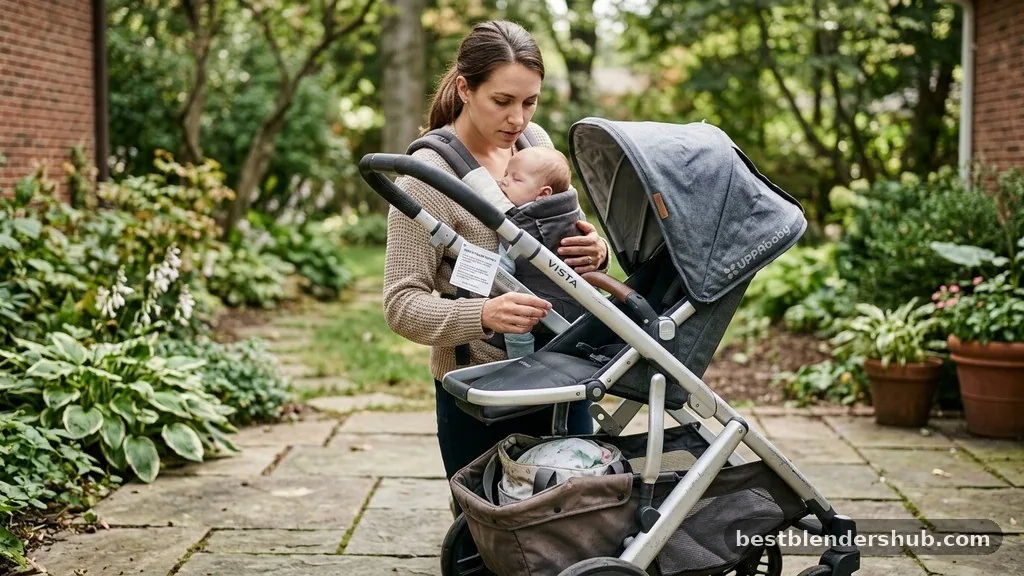
Strollers generally do not have a hard expiration date because they are not safety-restraint devices in the same way car seats are. While a car seat’s plastic shell loses its structural integrity over time due to temperature fluctuations and UV exposure, a stroller’s primary job is containment and transportation. Because they aren’t meant to withstand the massive kinetic forces of a car crash, they aren’t subjected to the same strict legislative timelines.
However, just because a specific date isn’t printed on the frame doesn’t mean you should ignore the age of your gear. Manufacturer safety standards have evolved rapidly over the last decade. A stroller manufactured twenty years ago likely lacks the modern safety features required by current ASTM International guidelines. When you use a very old stroller, you aren’t just dealing with wear and tear; you are dealing with a product that may not meet the safety benchmarks that are standard in the industry today.
Identifying Signs of Material Degradation
Even without a formal expiration date, material degradation eventually renders a stroller unsafe. You should inspect your gear regularly for signs that the materials have reached the end of their functional life. Plastic parts, in particular, become brittle over time, especially if the stroller has been stored in a hot garage or a damp basement.
Metal frame corrosion is another silent killer of older strollers. If you live in an area with harsh winters or near the ocean, salt and moisture can compromise the integrity of the aluminum or steel tubes. If you see rust, or if the metal shows signs of stress fractures, the structural stability of the entire unit is compromised.
Key Inspection Points for Safety
* Five-point harness integrity: Check that the buckles click firmly and the webbing shows no fraying.
* Wheel assembly: Ensure the wheels spin freely without wobbling or making grinding noises.
* Folding mechanism: Verify that the locking pins engage fully and stay secure during use.
* Braking system: Test the locks on flat ground and slight inclines to ensure they hold the weight of the child.
* Fabric condition: Inspect for tears near attachment points that could cause the seat to detach.
The Difference Between Car Seats and Strollers
It is vital to distinguish between car seat vs stroller safety requirements. A car seat is a piece of safety equipment that must be replaced after a crash or at the end of its designated lifespan because the plastic undergoes plastic fatigue that is invisible to the naked eye. Once that plastic reaches a certain age, it can no longer guarantee protection during an accident.
Strollers, conversely, are subject to mechanical wear and tear. The components that break down—wheels, hinges, and fabric—are often replaceable.
If you are using a travel system where the infant carrier snaps into the stroller, remember that the infant carrier does have an expiration date, even if the stroller frame itself is perfectly fine for many more years of use. Always check the base of your car seat for a stamp indicating the date of manufacture.
Navigating Recalls and Manufacturer Standards
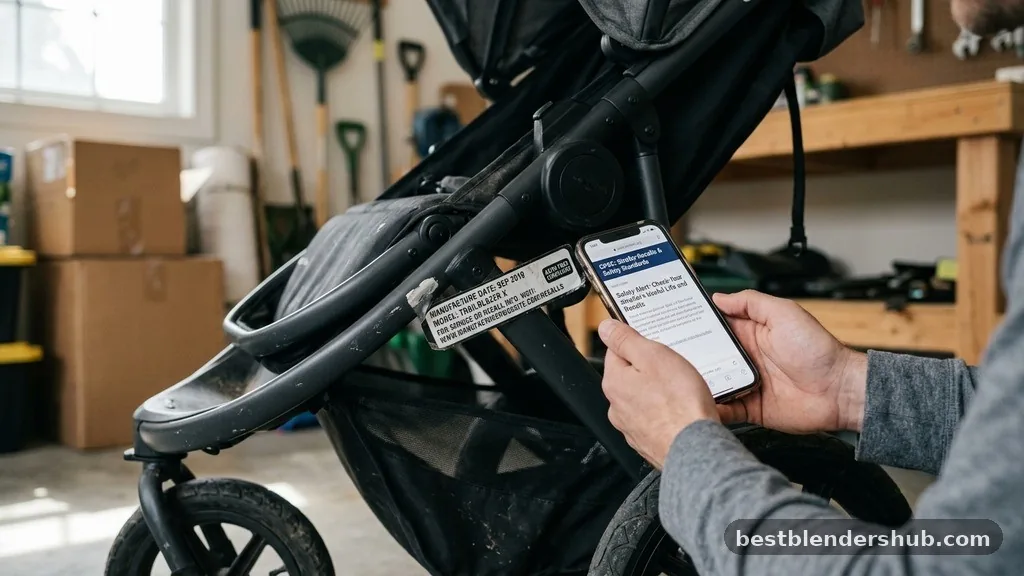
One of the most important steps you can take is checking the product recall database for your specific model. Even if a stroller is relatively new, a safety issue might have been discovered by the manufacturer or the CPSC. You can usually find the manufacture date and the serial number on a sticker located on the underside of the frame or near the rear axle.
If you find that your stroller is part of a recall, stop using it immediately. Many manufacturers provide free repair kits or replacement parts to address these issues. Do not assume that because your stroller looks fine, it is safe.
| Component | Common Failure Point | Action Required |
|---|---|---|
| Wheels | Bearing failure or tread wear | Replace wheels or lubricate axles |
| Frame | Corrosion or stress fractures | Discontinue use immediately |
| Harness | Fraying or stuck buckles | Replace straps or clean mechanism |
| Folding Latch | Plastic fatigue/cracking | Check with manufacturer for parts |
Mechanical Wear and Tear vs. Planned Obsolescence
Many parents worry that they are being pressured to buy new gear due to marketing. While it is true that some companies design products for a specific “useful life,” most high-quality strollers are built to handle multiple children. The real issue is the accumulation of mechanical wear and tear.
If you bought a stroller used, you are starting from an unknown baseline. You don’t know how it was stored, how much weight it carried, or if it was ever dropped.
If you are refurbishing an older stroller, look for replacement parts directly from the manufacturer. Avoid buying third-party generic parts for critical safety components like the harness or the brakes, as these may not meet the original JPMA certification requirements.
Addressing Topical Gaps: Why Second-Hand Strollers Need Extra Care
When you acquire a second-hand stroller, you are essentially adopting a history of usage that you cannot fully verify. Many parents ask if they should trust an older unit from a friend or a resale shop. While many strollers are incredibly durable, you must act as the quality control inspector.
Check for “play” in the joints. If the stroller feels wobbly when you push it, the rivets or bolts may have loosened over time. If you cannot tighten these parts, the stroller is no longer safe for a child.
Furthermore, ensure that the stroller has all its original warning labels. These labels often provide crucial information about weight limits and pinch points that are easy to forget as your child grows. If the labels are missing, search for the manual online to confirm the weight capacity.
Conclusion
While there is no single date that marks when a stroller expires, the reality of material degradation and mechanical wear and tear means that no stroller lasts forever. Your primary goal is to ensure the equipment remains stable, the brakes hold firm, and the harness secures your child properly. By checking your model against the product recall database and inspecting the frame for rust or stress, you can safely extend the life of your gear.
If you ever feel that the structural integrity is in question, it is always safer to replace the unit than to risk a mechanical failure. Keeping these safety checks in mind ensures that your daily strolls remain both comfortable and secure for your growing child.
Frequently Asked Questions
Do strollers have an official expiration date?
No, most strollers do not have a set expiration date, unlike car seats which have clear safety limits.
How long should I expect a stroller to last?
With proper maintenance, a high-quality stroller can last through several children, typically five to ten years total.
Is it safe to use a ten-year-old stroller?
Only if it has been stored properly, shows no rust or frame cracks, and meets current safety standards.
Should I check for recalls on a used stroller?
Yes, always search the manufacturer’s website or the CPSC database using the stroller’s model and serial number.
Do car seats that attach to strollers expire?
Yes, the infant car seat component always has a mandatory expiration date, regardless of the stroller frame’s condition.
What is the biggest risk with an old stroller?
The primary risks are plastic fatigue, brittle components, and failing braking systems that no longer hold the weight.
Can a toddler still use an older stroller safely?
Yes, provided the frame is structurally sound and the harness system functions correctly to prevent the child falling.

Jamesmathew is an expert Amazon affiliate writer, helping readers discover top products, smart deals, and practical buying guides through honest reviews and insightful content.