

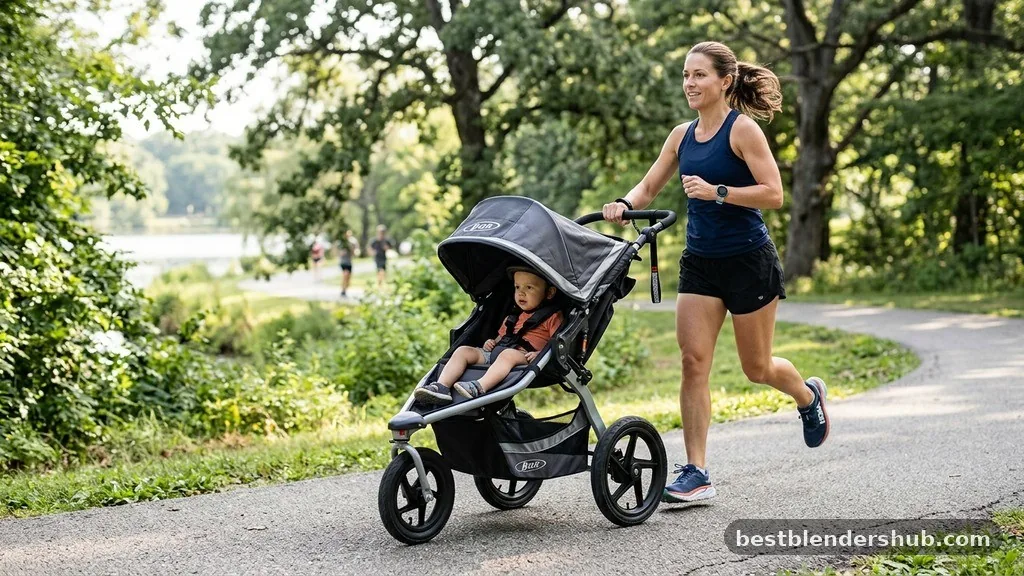
Running with a stroller transforms your daily workout into a shared adventure, allowing you to maintain your fitness routine while spending quality time with your child. Mastering the mechanics of pushing a specialized jogging carriage requires more than just physical stamina; it demands a focus on proper technique and equipment safety.
By understanding the nuances of how to run with stroller setups effectively, you can avoid common injuries and ensure a smooth, enjoyable experience for both you and your little passenger. Whether you are aiming for a quick neighborhood loop or training for your next race, these insights will help you hit the pavement with confidence.
Selecting the Proper Equipment
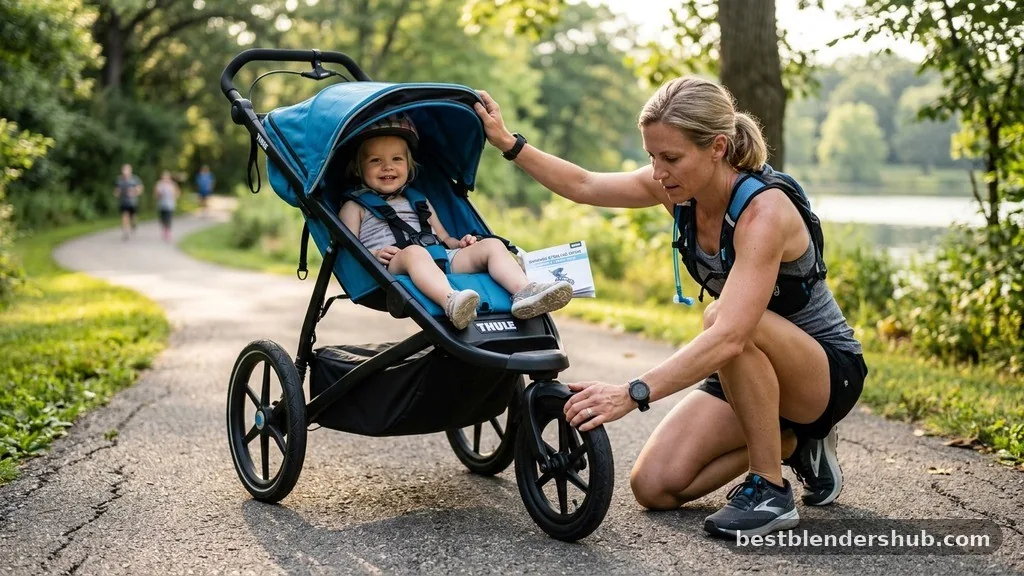
The most critical step in your journey is choosing a dedicated jogging stroller rather than attempting to use a standard everyday model. Standard strollers lack the stability and safety features necessary for faster speeds and uneven surfaces. A true running carriage is designed to handle the momentum and vibration of a workout without compromising the comfort of your child.
When evaluating potential models, prioritize the following features:
- A fixed front wheel or one that locks securely to prevent wobbling at high speeds.
- A high-quality suspension system that absorbs shocks from cracks and bumps in the sidewalk.
- Large all-terrain tires, preferably air-filled, for better traction and a smoother ride.
- A secure five-point harness to keep your child safely positioned during movement.
- A reliable handbrake for maintaining control on downhill sections.
Safety Standards and Age Requirements
Safety is the absolute priority when you head out the door. Most experts and manufacturers agree that you should wait until your child has adequate infant neck control, which typically occurs around six to eight months of age. Always check with your pediatrician to get formal pediatric clearance before starting a running routine, as every child develops at a different pace.
Never use an infant car seat adapter while running unless the specific stroller manufacturer explicitly states that the setup is certified for jogging. Most car seat attachments are designed for walking only and lack the stability needed for the increased impact of a run. Relying on the stroller’s built-in, padded seat with the harness system is the safest way to transport your child once they are old enough.
Optimizing Your Running Form
Your running form naturally changes when you have a stroller in front of you. Many runners make the mistake of hunching over the handlebars, which leads to back pain and inefficient movement. Instead, keep your spine tall and your shoulders relaxed, aiming to maintain a natural posture.
Try to maintain a loose grip on the handlebar, using it only for guidance rather than leaning your body weight into it. If you find yourself constantly hunching, you may need to adjust your grip or your distance from the stroller.
Proper core engagement is essential to stabilize your torso, especially when navigating turns or uneven pavement. Always remember to attach your wrist tether before you begin moving; this simple safety strap ensures the stroller stays with you if you trip or lose your footing.
Techniques for Better Performance
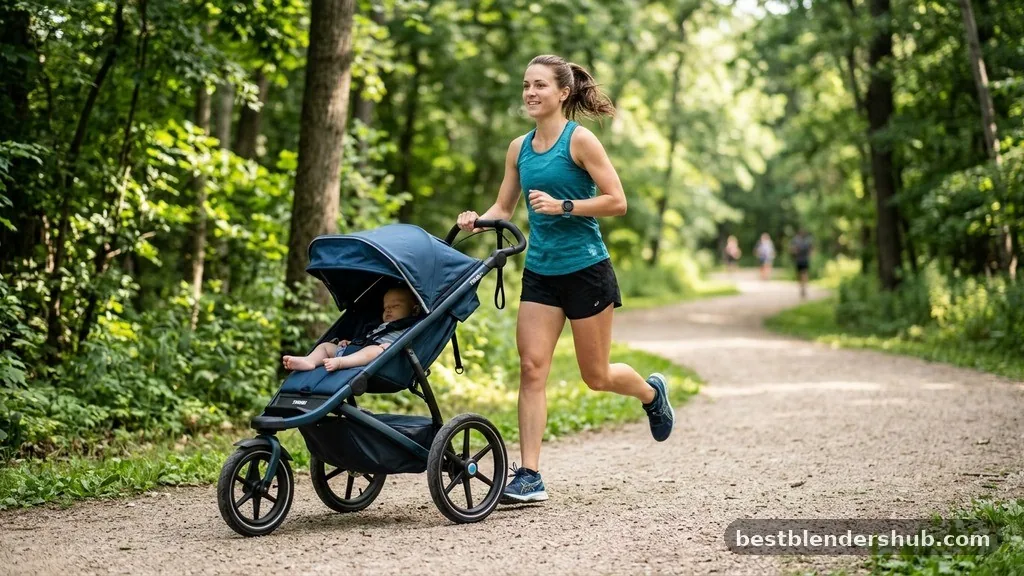
You will quickly notice that your stroller pace is likely slower than your solo running speed. This is perfectly normal, as the added weight and the need to maneuver the carriage require more energy. Focus on steady effort rather than hitting specific splits, and treat your stroller sessions as a different type of workout.
If you struggle with arm fatigue, try alternating your hands periodically rather than pushing with both hands constantly. This helps distribute the effort across your upper body and keeps your shoulders from tightening up. On hills, lean into the stroller slightly, using your legs to power through the incline while keeping your chest open.
| Feature | Walking Stroller | Jogging Stroller |
|---|---|---|
| Front Wheel | Swivel (Always) | Fixed or Lockable |
| Suspension | Minimal | Advanced/Adjustable |
| Safety Tether | Rarely Included | Standard Equipment |
| Tire Type | Plastic/Small Rubber | Pneumatic/Air-filled |
Addressing Common Challenges
New parents often face specific obstacles when integrating a baby into their exercise routine. One common issue is the child becoming restless during longer efforts.
To combat this, ensure your child is fed, rested, and comfortable before you leave. Bringing a few quiet toys or snacks can also make the experience more pleasant for them.
Another challenge involves navigating tight corners or crowded paths. Because a fixed front wheel creates a wider turning radius, you must learn to “pop” the front wheel slightly off the ground by applying light downward pressure on the handle.
This allows you to pivot the carriage on its back wheels, making it much easier to change direction smoothly without stopping your momentum. Practice this maneuver in a park or empty parking lot before taking it to a busy trail.
Training and Endurance
If you are working toward a K training goal or a specific race distance, build your mileage gradually. Your body needs time to adapt to the physical load of pushing a stroller, which engages different muscles than solo running. Start with shorter, flat routes to get comfortable with the weight and handling of the carriage.
Listen to your body, especially if you are postpartum. Incorporating strength training for your glutes and core will provide the support you need to handle the extra resistance. As your stamina improves, you can gradually increase the duration of your runs, but always prioritize your child’s comfort level as the ultimate indicator of when to stop or take a break.
Frequently Asked Questions
What is the most effective way to run with a stroller?
Keep your posture upright, use a light grip, and always attach the safety wrist tether before starting.
How soon can you run with a baby in a stroller?
Most experts recommend waiting until the child is six to eight months old for adequate neck control.
Can I use a regular stroller to run?
No, standard strollers are not built to handle the speed, impact, or stability requirements of running safely.
Can you run with a stroller in a 5K race?
Many local races allow strollers, but you should always check the specific event rules before registering online.
Why is a fixed front wheel better for running?
A fixed wheel prevents wobbling and ensures the stroller tracks straight at higher speeds on various surfaces.
How do I stop the stroller from drifting?
Ensure your tires are properly inflated and check that the front wheel tracking alignment is set correctly.
Does running with a stroller count as a harder workout?
Yes, the added weight and resistance engage more muscles, often leading to a higher caloric burn rate.
Maintaining Your Routine
Learning how to run with stroller equipment effectively takes time and patience, but the rewards for your health and your child’s engagement with the outdoors are immense. By focusing on equipment safety, proper form, and gradual progression, you can turn these outings into a sustainable part of your lifestyle. Remember to keep the experience fun and flexible; some days may be for intense intervals, while others might be for a relaxed jog.
As your child grows, they will likely come to enjoy the rhythm of the road as much as you do. Stay consistent, keep your equipment well-maintained, and enjoy the unique bond that comes from sharing the miles together. If you have questions or want to share your progress, feel free to reach out and connect with our running community.

Jamesmathew is an expert Amazon affiliate writer, helping readers discover top products, smart deals, and practical buying guides through honest reviews and insightful content.