

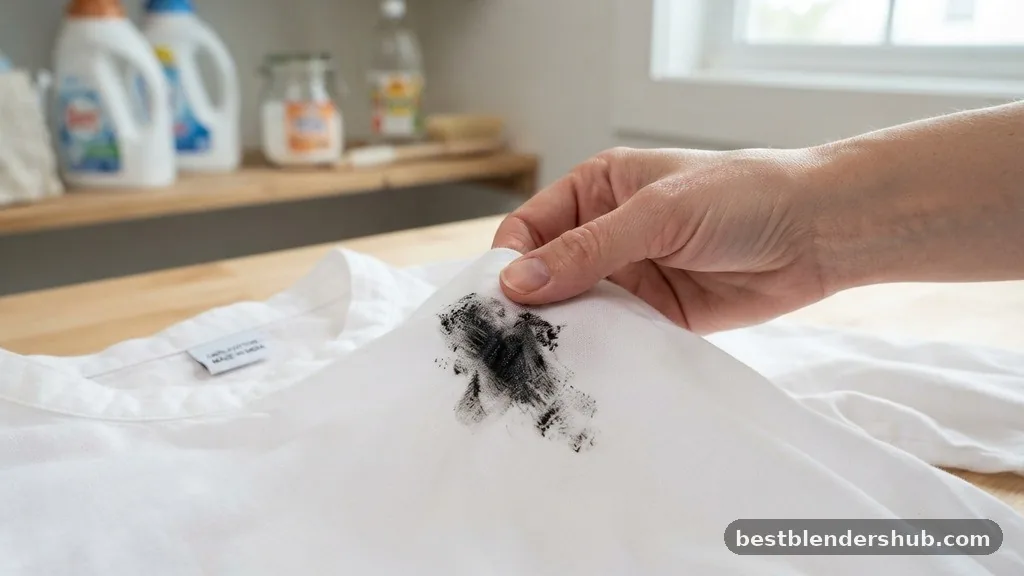
Dealing with makeup smudges on your favorite outfit can be a frustrating experience, especially when you are rushing out the door. Because mascaras are designed for long-wear durability, they are formulated with waxes, oils, and high-intensity pigments that are specifically intended to adhere to surfaces. When these products make contact with your clothing, they do not simply sit on top of the fibers; they often penetrate the weave.
Understanding how to get mascara out of clothes requires a strategic approach that addresses the oil-based nature of the cosmetic without spreading the dark pigment further into the fabric. The key to successful removal lies in acting quickly and using the right solvent to break down the binding agents before they set permanently.
Assessing the Fabric and the Nature of the Stain
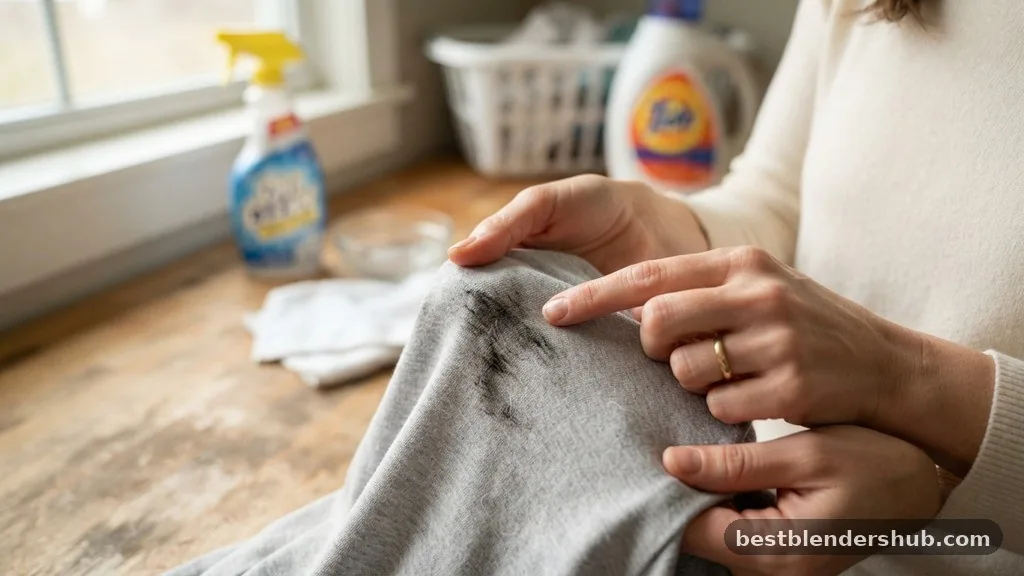
Before you reach for any cleaning agent, it is essential to identify the material you are working with. Different textiles respond differently to chemical treatments. Cotton fabric, for instance, is highly absorbent and can hold onto deep pigments, while synthetic fibers like polyester or nylon may be more prone to heat damage or color bleeding.
Check the care label on your garment first. If the item is marked “dry clean only,” your best course of action is to avoid water-based DIY methods and take the item to a professional. Attempting to scrub a delicate fabric like silk or rayon can damage the texture, leading to pilling or permanent water spotting.
You should also determine whether the mascara is waterproof or water-soluble. Waterproof formulas are significantly more challenging to remove because they are engineered to resist moisture. If you notice the mascara is waterproof, you will need to rely more heavily on oil-based makeup remover or specialized solvents.
Conversely, water-soluble formulas might respond better to simple dish soap and water. By examining the stain under good lighting, you can see if the pigment has dried or if it is still fresh and moist. Fresh stains are always easier to manage because the oils haven’t fully oxidized and bonded with the textile fibers, giving you a better chance at a complete restoration.
The Importance of the Blotting Technique
One of the most common mistakes people make when trying to remove a fresh smudge is rubbing the area aggressively. Rubbing forces the mascara deeper into the fabric fibers and expands the surface area of the stain, making it much larger than it originally was. Instead, utilize a gentle blotting technique.
Take a clean, white paper towel or a microfiber cloth and press firmly against the stain without dragging it across the fabric. This action lifts the excess product away from the surface. Always start from the outer edges of the smudge and work your way toward the center to prevent the stain from spreading into the clean surrounding area.
If the mascara has already started to dry, you can try to gently scrape off the excess with the edge of a plastic knife or a spoon. Be very careful not to snag the threads of the garment. Once you have removed the physical clumps of mascara, continue the blotting process with a damp cloth.
Using a cotton swab is also a highly effective strategy for small, precision spots where you want to apply pressure without saturating the entire garment. By concentrating your efforts on lifting the pigment rather than scrubbing it, you preserve the integrity of the fabric’s weave and prevent the mascara from becoming a permanent fixture in your clothing.
Using Liquid Dish Soap for Fresh Stains
Liquid dish soap is arguably the most effective household item for tackling the oil-based components found in most mascaras. Because dish soap is formulated specifically to break down grease and oils on plates and pans, it is naturally equipped to dissolve the waxes and binders in eye makeup. To use this method, dampen the stained area with a small amount of cold water.
Apply a few drops of mild, clear dish soap directly onto the mascara spot. Using your fingers or a soft-bristled toothbrush, gently massage the soap into the fabric using circular motions. This helps the surfactants in the soap penetrate the fibers and lift the pigment.
After you have worked the soap into the stain, let it sit for about ten to fifteen minutes. This dwell time is crucial as it allows the cleaning agents to do the heavy lifting. Once the time has elapsed, perform a cold water rinse from the back of the fabric.
Rinsing from the back pushes the stain out of the fibers rather than through them. Inspect the area to see if the mascara has lifted. If the stain persists, you may need to repeat the process.
Avoid using hot water during this initial stage, as heat can cook the pigment into the fabric, making it nearly impossible to remove later. Always ensure that the soap is thoroughly rinsed out before you move on to any other cleaning step.
Leveraging Oil-Based Makeup Remover
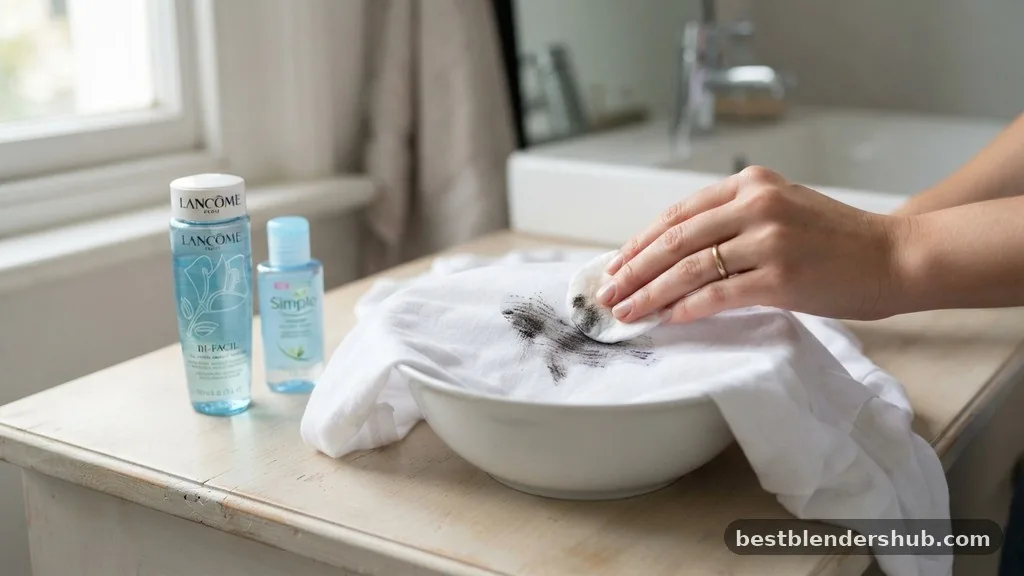
When dealing with high-performance, waterproof mascaras, soap and water may not be enough to break down the sophisticated polymers. In these instances, an oil-based makeup remover can act as a powerful solvent. These removers are chemically designed to dissolve the very substances that make your mascara stay on your lashes all day.
Place the garment on a flat, clean surface with a paper towel underneath the stained area to catch any run-off. Use a cotton swab to apply a small amount of the makeup remover directly to the mascara stain. The oil in the remover will start to loosen the pigment almost immediately.
As the mascara begins to dissolve, continue to blot the area with a fresh cotton swab or a clean cloth. You will likely see the dark color transferring onto your applicator, which is a good sign that the solvent is working. Be cautious with delicate or brightly colored fabrics, as some makeup removers contain additives that could potentially affect the dye of the garment.
Test the remover on a hidden seam first if you are unsure about the colorfastness of your clothing. Once the mascara has been lifted, you must follow up with a bit of dish soap to remove the oily residue left behind by the makeup remover itself, followed by a thorough rinse.
The Role of Isopropyl Alcohol
Isopropyl alcohol can be a lifesaver for stubborn mascara stains, particularly when the pigment seems to be deeply embedded. Alcohol acts as a solvent that thins out the oils and binders, making the stain easier to flush away. Dampen a clean, white cloth with a small amount of rubbing alcohol and gently dab the stain.
You will often see the pigment start to bleed out into the cloth almost instantly. This is a very effective way to handle mascara on cotton fabric or denim, which tend to be more resilient to alcohol than synthetic blends.
However, because alcohol can dry out or bleach certain dyes, it is imperative to exercise caution. Never pour the alcohol directly onto the fabric, as this can cause the mascara to spread into a ring-like shape. Instead, always work from the dampened cloth.
After the alcohol has done its work, you should immediately wash the garment according to its care instructions to ensure that no chemical residue remains. This method is particularly useful for those “emergency” moments where you are at home and need to get a spot out quickly before heading out, as alcohol evaporates relatively fast, leaving little moisture behind.
Tackling Dried Mascara with Enzyme-Based Detergent
If you discover a mascara stain that has already dried and set, a simple surface-level clean will likely be insufficient. In this scenario, an enzyme-based detergent is your best ally. Enzymes are biological catalysts that break down complex organic molecules, such as the proteins and waxes found in cosmetic formulations.
Apply a small amount of liquid enzyme detergent directly to the dried mascara. Gently work it in with your fingers and allow it to sit for at least thirty minutes. This extended contact time is vital for the enzymes to properly digest the makeup binders.
After the pretreatment, place the garment in the washing machine on the warmest water setting allowed by the fabric’s care label. The combination of the enzyme detergent and the agitation of the wash cycle will usually finish the job that the pretreatment started. If you do not have an enzyme-based detergent, you can create a paste using a powdered laundry detergent and a tiny amount of water.
Apply this paste to the spot and treat it similarly. By using biological cleaners, you are targeting the molecular structure of the mascara, which is far more efficient than simply trying to wash away the pigment with standard surfactants.
Safety Precautions for White and Light-Colored Clothes

Getting mascara out of white clothes is a uniquely stressful task, as the contrast makes even the smallest remaining speck highly visible. While the methods listed above work well, you may find that a faint shadow of the pigment remains even after thorough cleaning. In these specific cases, a very careful application of hydrogen peroxide can be considered.
Hydrogen peroxide acts as a mild bleaching agent and can help lift the final remnants of dark pigment from white cotton fabric. Dip a cotton swab in a 3% concentration of hydrogen peroxide and dab it onto the residual stain.
Watch the area closely as you apply it. If the stain begins to fade, you can proceed, but if you notice any reaction from the fabric, stop immediately. Hydrogen peroxide should never be used on colored clothing, as it will likely result in a bleached spot that is worse than the original stain.
Additionally, if the stain proves stubborn even after these attempts, consider using a high-quality stain remover pen. These pens are designed for portability and contain a concentrated mix of surfactants that are effective for spot-treating on the go. However, a stain remover pen is best used as a temporary measure until you can perform a full, deep-clean wash at home.
Addressing Mascara Stains in Upholstery and Carpets
The problem of mascara isn’t limited to clothing; it often finds its way onto carpets, rugs, or upholstery in the car. Removing mascara from these surfaces requires a slightly different technique because you cannot simply throw the object into a washing machine. For carpets or upholstery, use a dry cleaning solvent if possible, as these are formulated to lift stains without requiring excessive amounts of water that could lead to mold or mildew growth.
Apply the solvent to a clean white cloth and blot the stain repeatedly. Avoid over-saturating the area, as this can push the pigment deeper into the padding or foam underneath the fabric.
If you don’t have a commercial dry cleaning solvent, a mixture of mild dish soap and cool water can work, provided you are extremely careful with the amount of moisture. Use the blotting technique religiously, moving to a clean part of the cloth as soon as the mascara pigment transfers. Once you have successfully lifted the stain, use a clean, damp cloth to “rinse” the area of any soap residue.
Finally, press a dry towel over the spot to absorb as much moisture as possible. Placing a small fan near the area can help speed up the drying process and prevent the fibers from matting as they dry.
Common Mistakes to Avoid
When learning how to get mascara out of clothes, knowing what not to do is just as important as knowing the correct steps. The most critical error is using heat. Whether it is hot water in the sink, a hair dryer, or the heat setting on your dryer, heat is the enemy of mascara removal.
It essentially “bakes” the oil and wax into the textile fibers, making the pigment removal significantly more difficult, if not impossible. Always stick to cold water rinses until you are certain the stain is completely gone. If you are unsure, let the garment air dry; if you put it in a hot dryer and a shadow of the stain remains, you have effectively locked it in forever.
Another frequent mistake is using the wrong tool to apply your cleaning agents. Avoid using colored cloths or paper towels, as the dye from the cloth can transfer onto your garment, creating a secondary stain problem. Always use white, lint-free cloths or plain cotton swabs.
Furthermore, do not skip the “rinse from the back” rule. Many people try to scrub the front of the garment, which forces the mascara deeper into the weave.
By turning the item inside out and rinsing from the rear, you use the force of the water to push the pigment out of the fibers rather than through them. By avoiding these common pitfalls and approaching the stain with patience, you have a very high success rate in restoring your clothing to its original condition.
Final Considerations for Stubborn Stains
In cases where the mascara has been left for a long period or the fabric is particularly delicate, you may find that the stain is exceptionally stubborn. If you have tried the oil-based removers, the dish soap, and the enzymatic cleaners without success, it may be time to consider professional intervention.
Dry cleaners have access to industrial-grade solvents and equipment that can handle deep-set organic stains that home remedies cannot address. When you take the item to a professional, be sure to inform them exactly what the substance is—in this case, mascara—so they can choose the correct chemical treatment.
Additionally, always remember that patience is a virtue when dealing with makeup stains. It is far better to perform multiple, gentle treatments than one single, aggressive attempt that damages the fabric. If you see the stain fading, you are on the right track.
Continue the cycle of applying your chosen solvent, blotting, and rinsing. Many people give up too early because they expect a “magic eraser” result, but the reality is that the oil-based nature of mascara requires a systematic breakdown of its components. By maintaining a consistent approach, you protect your wardrobe from permanent damage and ensure that those inevitable makeup mishaps remain temporary inconveniences rather than ruined outfits.

Jamesmathew is an expert Amazon affiliate writer, helping readers discover top products, smart deals, and practical buying guides through honest reviews and insightful content.