

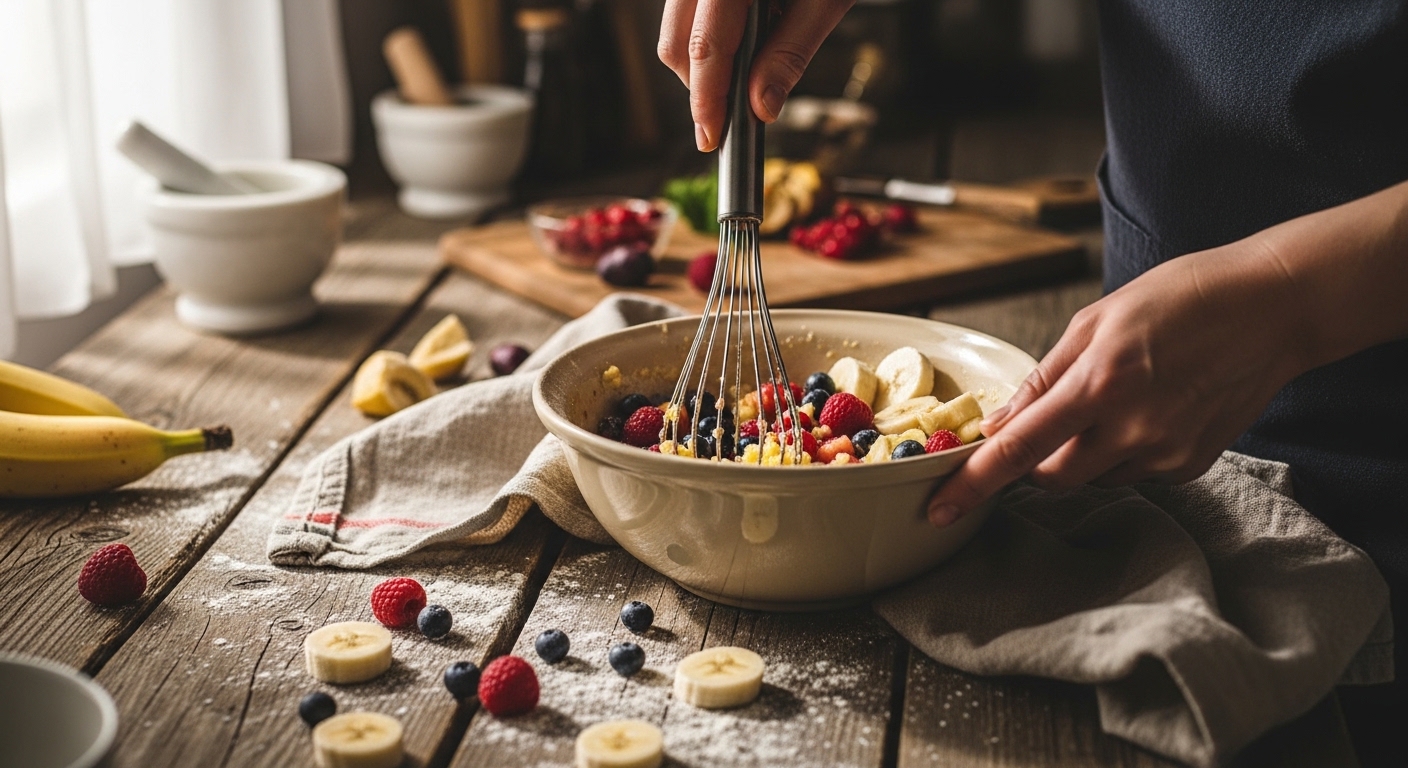
how to blend something without a blender is exactly the kind of thing you don’t think about until you’re standing in the kitchen holding soft fruit, yogurt, or maybe boiled vegetables and you suddenly realize the machine is either broken, missing, or just not there at all. And yeah, in that moment it feels a bit annoying, like the food is waiting on you but you’ve got no proper way to finish it. You probably already tried shaking your head thinking “this can’t be hard, right?” but it also isn’t super obvious either when you’re in the middle of it.
You’d be surprised how often people across different kitchens end up in this same situation, especially in smaller homes or student rooms where appliances come and go. The good part is, blending isn’t only about machines. Humans were mashing, crushing, and mixing long before electric blenders existed, so you’re not really stuck—you’re just backdated a little, in a good way honestly.
A quote often attributed to Julia Child goes, “No one is born a great cook, one learns by doing.” And blending without a machine kind of fits that vibe, messy hands and all.
how to blend something without a blender using basic kitchen tools you already ignore
When you look around your kitchen properly, you’ll probably notice you already own half the tools needed for blending without a blender. It’s just that we don’t normally think of them that way.
Here’s the funny part: most “blending” is just controlled breaking and mixing. That’s it. Nothing fancy.
1. Fork mashing method (simple but underrated)
A fork can do way more than just eating food. If you’re working with bananas, boiled potatoes, or soft berries, just pressing repeatedly with a fork actually breaks down the fibers pretty quickly.
It won’t give you that ultra-smooth smoothie texture, but it gets you close enough for most homemade recipes. People underestimate it, maybe because it looks too basic.
2. Spoon and bowl pressure technique
If you press ingredients against the side of a bowl with a spoon, rotating and smearing, you slowly create a paste-like texture. It’s oddly satisfying, a bit tiring too, not gonna lie.
This method works well for:
- Soft fruits like mango or banana
- Cooked lentils
- Avocado mixtures
- Yogurt-based mixes
It takes time, but it does the job when you’re patient-ish.
3. Whisk mixing for semi-liquid blends
A whisk can break up softer mixtures and incorporate air at the same time. It’s not full blending, but it helps combine things in a smoother way.
Food scientists from general culinary institutes often point out that whisking increases air incorporation, which changes texture perception in your mouth even if the mixture isn’t fully smooth. So your brain kind of gets tricked into thinking it’s blended more than it is.
how to blend something without a blender using heat and softening tricks
Sometimes the problem isn’t the blending itself, it’s that your ingredients are too firm. So instead of forcing it mechanically, you soften them first.
boiling and mashing method
This is one of the oldest tricks in cooking history. You boil vegetables or fruits until they become soft, then mash them into a paste.
Common examples:
- Potatoes → mashed potatoes
- Apples → apple sauce
- Carrots → puree base
- Pumpkin → thick puree
Softening reduces structural resistance, which makes manual blending way easier.
Food preservation and cooking research from institutions like the USDA Food Safety guidelines consistently highlight that heat breaks down cellulose and hemicellulose in plant fibers, making them easier to process manually.
So basically, heat does half the blending work for you, you just finish it off.
how to blend something without a blender using physical force methods
Now we get into the slightly more creative and sometimes messy techniques. These are the ones people forget but actually use in real survival-style cooking or camping situations.
mortar and pestle technique
This is probably the closest traditional equivalent to a blender. You crush ingredients against a heavy bowl using a pestle, grinding them down gradually.
It works especially well for:
- Spices
- Garlic and ginger
- Nuts
- Herbs
- Thick pastes
The pressure and friction physically break cell walls, releasing oils and moisture. That’s why spices taste stronger when ground this way compared to pre-ground versions sitting in jars.
It’s slow, yeah, but kind of powerful in a raw way.
rolling pin inside a bag method
Put ingredients in a clean plastic bag or cloth, then roll over them with a rolling pin or even a bottle. It crushes things evenly without making a huge mess.
This is super useful for:
- Crushed biscuits
- Soft fruits
- Boiled vegetables
- Nuts and seeds
It feels a bit like stress relief too, honestly.
jar shaking method (low effort blending)
You put soft ingredients into a sealed jar and shake aggressively. It doesn’t fully blend everything smooth, but it mixes and partially breaks things down.
Works best with:
- Yogurt + fruits
- Protein shakes without powder clumps
- Soft berries
Not perfect, but very convenient when you’re tired.
comparison table of blending methods without a blender
| Method | Best For | Texture Result | Effort Level | Speed |
|---|---|---|---|---|
| Fork mashing | bananas, potatoes | slightly chunky | low | fast |
| Spoon pressing | soft fruits, avocado | semi-smooth | medium | medium |
| Whisking | liquids, yogurt mixes | airy, mixed | low | fast |
| Mortar & pestle | spices, herbs | very fine paste | high | slow |
| Rolling pin bag | nuts, biscuits | crushed/grainy | medium | fast |
| Jar shaking | drinks, soft mixes | uneven but mixed | low | very fast |
This table kind of shows something interesting: speed doesn’t always equal smoothness. The more traditional methods often give better control even if they take longer.
real kitchen logic behind blending without a blender
Here’s something people don’t always realize. Blending is basically three forces working together:
- Pressure (crushing ingredients)
- Friction (rubbing particles together)
- Shear (pulling and tearing structure apart)
A machine just automates these three forces very fast. But your hands, forks, and heat can still create them, just slower and less uniform.
Culinary experts often say texture is just as important as flavor. Even a slightly uneven mash can feel more “homemade” and satisfying than ultra-smooth blends sometimes. That’s why rustic soups and hand-mashed foods still show up in high-end cooking.
practical real-life examples when you’ll actually use this
You might think this is just theory, but it shows up in real daily situations more than expected.
- You want a smoothie but blender died mid-summer
- You’re traveling and only basic utensils are available
- You’re cooking in a shared hostel kitchen
- Power goes out and you still need food prep
- You’re trying baby food at home and want soft texture control
In all these cases, learning how to blend something without a blender becomes less of a skill and more like a small survival cheat code.
small tricks that make blending easier without machines
There are a few underrated things that make everything smoother (literally and figuratively):
- Cut ingredients smaller before mashing
- Use warm ingredients instead of cold ones
- Add liquid early (milk, water, juice)
- Don’t overload your bowl or bag
- Let boiled items rest 2–3 minutes before mashing
These tiny adjustments reduce resistance and make manual blending feel less like hard work.
final thoughts on how to blend something without a blender in a real messy kitchen moment
how to blend something without a blender isn’t really about replacing a machine, it’s more about understanding that food doesn’t care how you break it down as long as you do it properly. You can use heat, pressure, shaking, or simple tools and still get something really decent at the end.
And yeah, it might not look perfect like those smooth café-style smoothies, but honestly most homemade food isn’t supposed to look perfect anyway. It’s supposed to work, taste good, and maybe remind you that kitchens were always a bit improvised before technology stepped in.
As Julia Child once famously put it, “You don’t have to cook fancy or complicated masterpieces, just good food from fresh ingredients.” And that idea fits this whole situation way more than people realize.
So next time you’re stuck without a blender, you’re not really stuck—you’re just cooking the older way, slightly messy, slightly manual, and somehow still getting it done.

Jamesmathew is an expert Amazon affiliate writer, helping readers discover top products, smart deals, and practical buying guides through honest reviews and insightful content.