

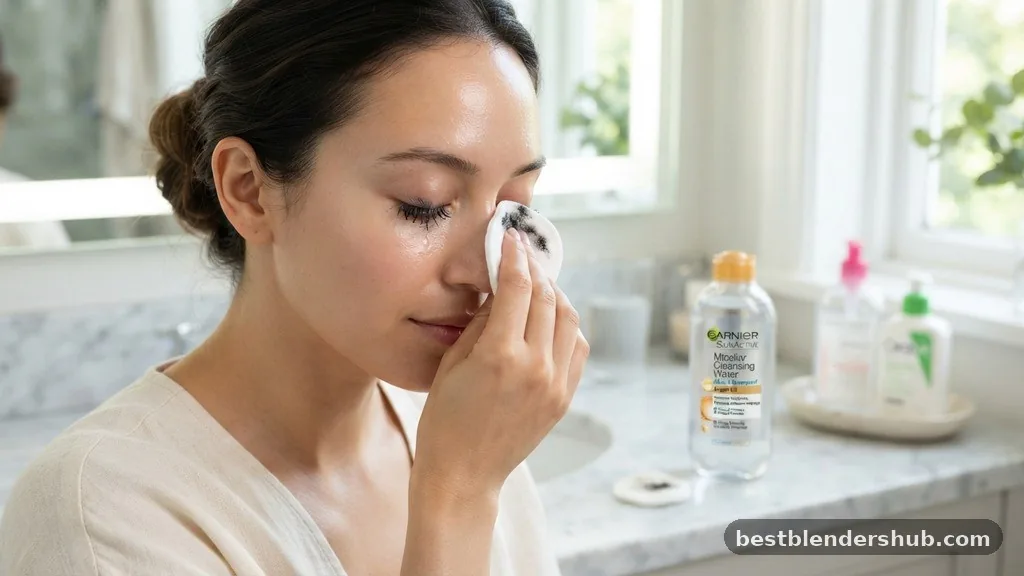
Removing waterproof mascara can often feel like a battle of wills between your lashes and your cleanser. Because these formulas are specifically engineered to resist moisture, humidity, and tears, they bond tightly to the hair follicle, making standard soap and water ineffective and potentially damaging if you try to scrub them away. Understanding the chemical nature of these products is the first step toward mastering a removal routine that protects your delicate eye area while ensuring every trace of pigment is dissolved.
Understanding the Chemistry of Waterproof Formulas
Waterproof mascara is designed to stay put, typically relying on a combination of waxes, polymers, and silicones that create a hydrophobic barrier. Unlike standard mascaras, which are water-soluble and can be washed away with a simple face wash, waterproof versions require a solvent to break down these ingredients.
The polymers used in these formulas are essentially plastic-based films that wrap around the lash, creating a seal that is impervious to water. If you try to remove them without the right solvent, you are essentially trying to scrub off a thin layer of hardened polymer from a fragile hair structure.
This is why water alone is rarely sufficient. In fact, relying on water and manual friction is one of the most common causes of lash loss and irritation. When you rub your eyes repeatedly, you put immense tension on the root of the hair, which can lead to premature shedding or breakage.
To properly tackle these formulas, you need an agent that can penetrate the hydrophobic seal and dissolve the waxes and polymers. This is where the science of “like dissolves like” comes into play; oil-based substances are the most effective at breaking down the oil-based ingredients in your mascara. By selecting the right remover, you turn a tedious, potentially damaging chore into a quick and gentle step in your nighttime skincare ritual.
The Efficacy of Biphasic Makeup Removers
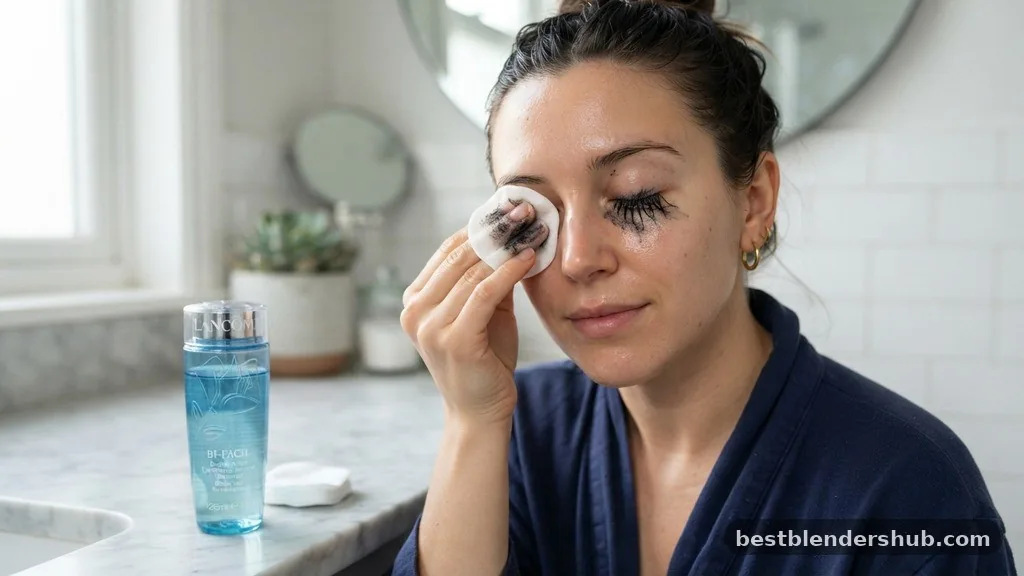
A biphasic makeup remover is arguably the gold standard for anyone who wears long-wear eye makeup. These products are easily identified by their two distinct layers: a water-based phase and an oil-based phase.
When you shake the bottle, these two components temporarily mix, allowing you to dispense a formula that offers the best of both worlds. The oil phase works to break down the stubborn, waterproof waxes, while the water phase helps to remove the oily residue and refresh the skin, leaving the eye area feeling clean rather than greasy.
To use a biphasic remover correctly, you must ensure it is thoroughly combined before application. Saturate a cotton pad with the mixture and hold it firmly against your closed eyelid for at least twenty to thirty seconds. This “soak time” is crucial because it allows the solvent to penetrate the layers of mascara.
Once the product has softened the formula, you can gently swipe downward. Avoid any harsh horizontal scrubbing, as this is the primary culprit behind lash breakage. If you notice any stubborn bits remaining at the lash line, simply fold the cotton pad and use the corner to gently clear the remaining pigment, moving in the direction of the hair growth to maintain the integrity of your lashes.
Utilizing Oil-Based Cleansers and Balms
For those who prefer a more streamlined routine, an oil-based cleanser or a cleansing balm can be highly effective. These products are designed to be applied to dry skin and massaged directly over the eyes.
As you work the balm or oil into your lashes, the heat from your fingertips helps melt the stubborn waxes. This is often referred to as the oil cleansing method, and it is widely considered one of the gentlest ways to remove makeup because it eliminates the need for cotton pads, which can sometimes tug on the skin.
Cleansing balms are particularly popular because they have a solid, buttery texture that turns into a silky oil upon contact with the skin. When using a balm, take a small amount and warm it between your palms before applying it to your closed lids. Massage in gentle, circular motions for about thirty seconds.
You will see the mascara begin to lift and mix with the oil. Once you have sufficiently loosened the product, add a splash of lukewarm water to emulsify the cleanser, turning it into a milky texture that is easy to rinse away. This method is excellent for maintaining overall eyelash health, as the oils used—often rich in fatty acids—can leave the lashes feeling conditioned rather than stripped of their natural moisture.
Micellar Water: The Gentle Alternative
While micellar water is often associated with light makeup removal, specific formulas are now designed to handle waterproof products. Micellar water consists of tiny oil molecules called micelles suspended in soft water.
These micelles act like magnets, drawing out dirt, oil, and makeup from the surface of the skin. If you choose this route, it is vital that you look for a version specifically labeled for “waterproof” makeup, as the standard versions often lack the extra oil content required to dissolve high-performance polymers.
When using micellar water, the technique remains similar to that of a biphasic remover: patience is key. Soak your cotton pad well and press it against your eye. Do not rush the process.
If you find that the mascara is still stubborn, you may need to repeat the process with a fresh pad. One of the biggest advantages of micellar water is that it usually does not require rinsing, making it a convenient option for late nights. However, for those with particularly sensitive skin, rinsing the eye area with water after using micellar water can help ensure that no surfactants remain on the skin, which could potentially cause dryness or irritation over time.
Natural Oils: Jojoba and Coconut Oil
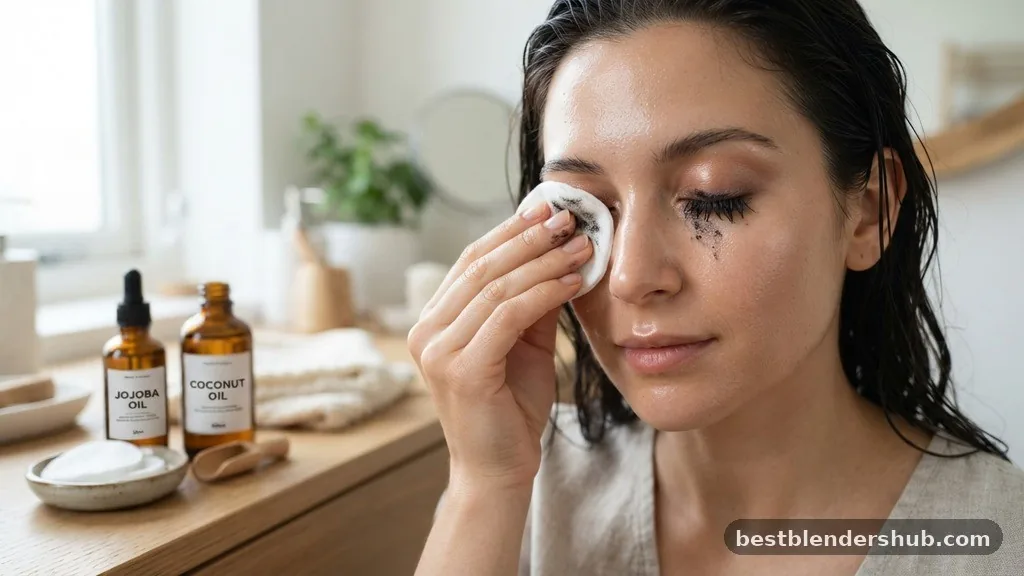
If you prefer to avoid synthetic ingredients, natural oils can be a fantastic way to break down waterproof formulas. Jojoba oil is a frequent favorite because it closely mimics the natural sebum produced by our skin, making it unlikely to clog pores or cause reactions. It is thin, light, and effective at softening even the most stubborn lash coatings.
Coconut oil is another popular option, prized for its ability to dissolve heavy waxes quickly. However, it is worth noting that coconut oil is comedogenic and can be quite heavy, so it should be rinsed off thoroughly to ensure it doesn’t leave a film that might cause blurry vision or breakouts around the orbital bone.
To use these oils, simply apply a few drops to your fingertips or a clean cotton pad. Gently press the oil onto your lashes and let it sit for a minute. The oils will naturally soften the waterproof resins, allowing the mascara to slide off with minimal effort.
While natural oils are excellent, be mindful of purity; ensure you are using high-quality, cold-pressed oils. After using an oil, follow up with a gentle, water-based cleanser to remove any excess, ensuring your eye area remains clean and balanced. This approach is not only effective but also provides a deep conditioning treatment for your lashes, potentially supporting long-term lash health.
Avoiding Common Mistakes That Damage Lashes
One of the most frequent mistakes people make when attempting to remove their eye makeup is using excessive pressure. The skin around the eyes is the thinnest on the entire body, and the lashes themselves are fragile. Aggressive rubbing or “scrubbing” is the fastest way to cause lashes to fall out prematurely.
If you find yourself having to scrub, it is a sign that your remover is not strong enough or that you haven’t allowed the product enough time to work. Always aim for a gentle, downward stroke that follows the natural growth pattern of the lashes.
Another common error is using the wrong tools. Using coarse, low-quality cotton pads can create friction and irritation. Instead, look for soft, high-quality cotton rounds or even reusable microfiber cloths, which are designed to lift makeup without needing harsh chemicals or excessive force.
Additionally, many people forget to clean the roots of the lashes, leading to a build-up of dried product. This residue can clog the hair follicles and contribute to irritation or even eye infections. Taking the extra thirty seconds to ensure the base of the lashes is clean is a fundamental part of a healthy makeup removal routine.
Addressing Eye Area Sensitivity
For those with sensitive eyes, the process of removing waterproof mascara can be particularly challenging. Ingredients like fragrances, alcohol, or harsh preservatives in standard removers can cause stinging, redness, or puffiness.
If you notice your eyes becoming irritated, switch to a fragrance-free, ophthalmologist-tested formula. These are specifically crafted to be pH-balanced and gentle on the delicate mucous membranes of the eye.
Additionally, consider the temperature of the water you use during your final rinse. Extremely hot water can strip the skin of natural oils and worsen sensitivity, while cold water may not effectively remove the last traces of your cleanser. Lukewarm water is the ideal middle ground.
If your eyes are prone to puffiness, keeping your makeup remover in a cool, dry place can provide a soothing effect upon application. Always be mindful of how your skin feels; if you notice any persistent burning or itching, discontinue the product immediately and look for a simpler, oil-based alternative that contains fewer additives.
The Importance of a Consistent Routine
A makeup removal routine is not just about aesthetics; it is about hygiene and the long-term health of your eyelids. Going to sleep with mascara still on your lashes is a recipe for disaster. As you sleep, the dried mascara can flake off and get into your eyes, causing irritation, or the weight of the product can lead to breakage.
Furthermore, leaving product on your skin can contribute to clogged pores and breakouts along the lash line. Establishing a consistent, non-negotiable nighttime habit is the most effective way to prevent these issues.
Consider your makeup removal as the first step of your skincare routine, rather than an afterthought. By making it a priority, you ensure that your skin is perfectly prepped for your serums and moisturizers. If you are tired, keep your preferred remover and some soft cotton pads on your nightstand.
There is no excuse for skipping this step, even on your most exhausted evenings. Over time, your lashes will thank you for the extra care, appearing healthier and more resilient, and your eye area will remain free from the inflammation caused by neglected, residual product.
Frequently Asked Questions About Waterproof Mascara Removal
One of the most common questions is whether Vaseline is a good choice for removing waterproof mascara. While it is certainly effective at breaking down stubborn waxes, it is also highly occlusive, meaning it can trap bacteria and cause milia (small white bumps) if not removed properly. If you do use it, ensure you cleanse the area thoroughly afterward.
Another frequent query concerns removing mascara without dedicated removers. While it is possible to use natural oils like almond or jojoba, stay away from household cleaners like soap or shampoo, which are far too harsh for the eye area and can disrupt the natural pH balance of your skin.
Many users also wonder how to tell if they are being too rough. A simple rule of thumb is to look at your cotton pad; if you see tiny, dark lashes on the pad after every removal, you are likely using too much pressure or your remover isn’t working effectively enough to dissolve the bond.
Finally, for those who struggle with “panda eyes” or residual smudges the next morning, it is almost always a sign that you aren’t spending enough time on the initial soak. By letting the cleanser sit on the lashes for a full thirty to sixty seconds, you allow the chemistry to do the hard work, meaning you can simply wipe away the pigment without any lingering residue.
Ensuring Long-Term Lash Health
Maintaining lash health goes beyond just the act of removal. After you have successfully cleared your mascara, consider applying a lash conditioner or a light swipe of castor oil to the lashes. These treatments can help nourish the follicles and provide a protective barrier.
Furthermore, be mindful of the tools you use in your daily routine. Eyelash curlers, while great for aesthetics, can contribute to breakage if used on lashes that still have dried mascara on them. Always ensure your lashes are clean and free of any product before curling them.
Remember that waterproof formulas should generally be reserved for special occasions or particularly humid days, rather than daily wear. If you find that your lashes are becoming brittle or thin, consider switching to a tubing mascara for your everyday look. Tubing mascaras create small, polymer “tubes” around each lash that slide off easily with just warm water and gentle pressure, eliminating the need for oil-based removers or vigorous rubbing.
By rotating your products and being intentional about your removal technique, you can enjoy the benefits of long-lasting makeup without compromising the health and beauty of your natural lashes. The goal is to create a sustainable cycle where your beauty routine supports, rather than detracts from, your natural features. Consistent, gentle care is the secret to long, healthy lashes that stand the test of time.

Jamesmathew is an expert Amazon affiliate writer, helping readers discover top products, smart deals, and practical buying guides through honest reviews and insightful content.