

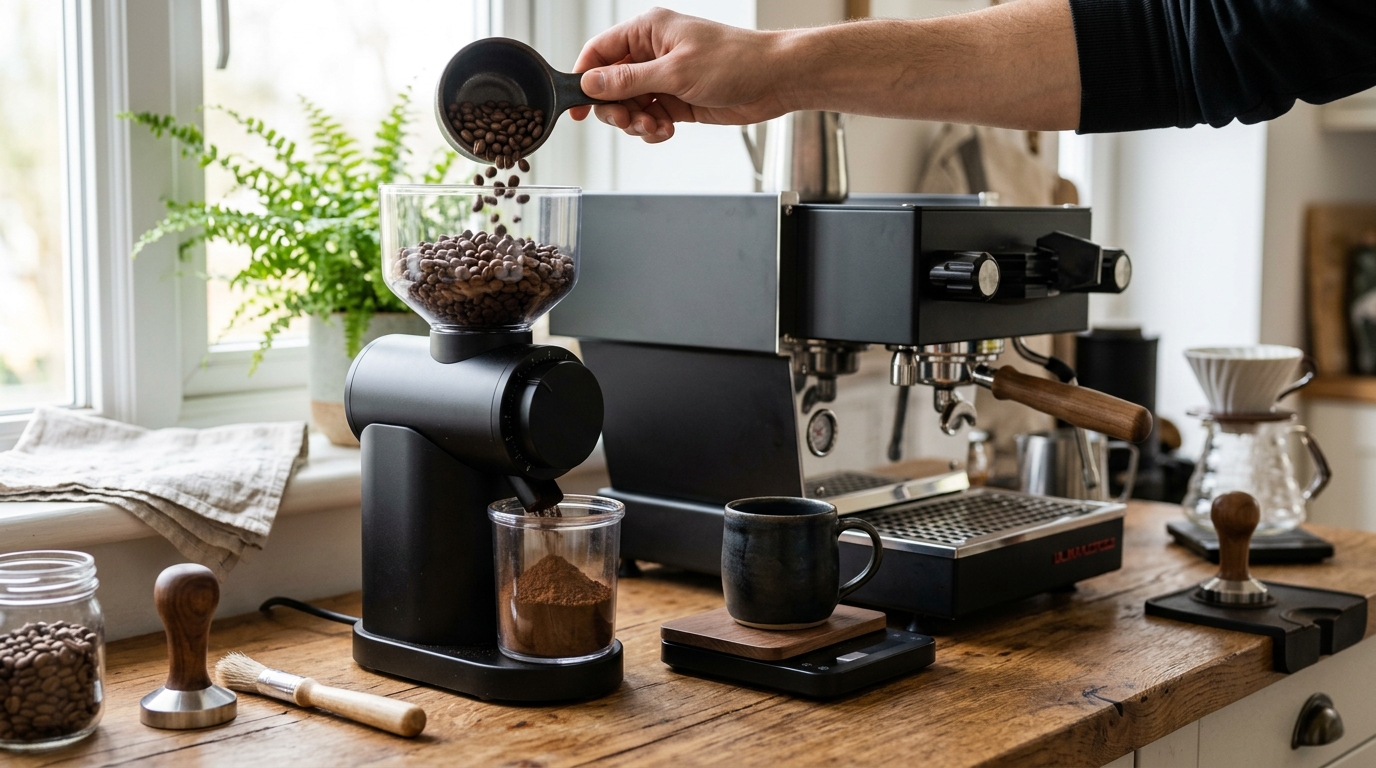
If you’re standing there wondering krups coffee grinder how to use without turning your coffee beans into either powder or chunky pebbles, you’re honestly not the only one. You unpack it, look at the lid, maybe press a button once or twice, and then pause because somehow grinding coffee feels like it should be easier than it looks. The funny thing is, it mostly is, but a couple small habits make a surprisinly big difference in how your coffee tastes.
A Krups coffee grinder is designed to be simple enough for beginners while still giving decent results for everyday brewing. Whether you’re making drip coffee, French press, pour-over, or even experimenting with different brewing styles, learning how to use the grinder correctly helps you get more flavor from the same beans.
Freshly ground coffee begins losing its aroma within minutes due to oxidation. According to the Specialty Coffee Association, grinding immediately before brewing is one of the easiest ways to improve coffee quality at home. That tiny step, honestly, changes more than people expect.
In this guide, you’ll learn exactly how to use a Krups coffee grinder, avoid common mistakes, adjust grind sizes, clean it properly, and make every cup taste noticeably better.
Understanding Your Krups Coffee Grinder
Most Krups coffee grinders sold for home use are blade grinders. Instead of crushing beans between burrs, they use a fast-spinning stainless steel blade.
Here’s what you’ll typically find:
| Part | Purpose |
|---|---|
| Lid | Safety lock that allows operation only when secured |
| Stainless steel blade | Chops coffee beans into smaller particles |
| Grinding chamber | Holds the beans during grinding |
| Power button | Starts the grinding process |
| Cord storage (some models) | Keeps countertops neat |
One thing people don’t always notice is that blade grinders don’t automatically produce perfectly uniform grounds. Instead, the longer you grind, the finer everything becomes. That’s why timing matters more than settings.
Before You Grind Coffee
Before plugging anything in, take a minute to check a few things.
- Make sure the grinder is completely dry.
- Remove any leftover coffee from previous use.
- Inspect the blade for trapped grounds.
- Place the grinder on a flat, stable surface.
- Use fresh whole coffee beans.
Moisture is sort of the hidden enemy here. Even a little water inside the grinding chamber can cause coffee particles to stick everywhere.
Krups Coffee Grinder How to Use Step by Step
Using the grinder isn’t difficult, although the first time always feels slightly awkward.
Step 1: Measure Your Coffee Beans
Start by measuring whole beans rather than filling the grinder randomly.
A basic guide:
| Cups of Coffee | Whole Beans |
|---|---|
| 2 cups | 20 grams |
| 4 cups | 40 grams |
| 6 cups | 60 grams |
| 8 cups | 80 grams |
Many Krups grinders hold around 85 grams, though capacity varies slightly by model.
Adding too many beans can reduce grinding consistency because the blade has less room to circulate.
Step 2: Add the Beans
Pour the beans directly into the grinding chamber.
Try not to exceed the maximum fill line if your model includes one. Overloading doesn’t save time—it usually makes the grind less even.
Step 3: Secure the Lid
The grinder won’t operate unless the lid is properly locked.
This safety feature prevents accidental contact with the spinning blade.
If your grinder refuses to start, the lid is often the first thing worth checking.
Step 4: Press and Hold the Button
This is where timing becomes important.
General grinding times:
| Brewing Method | Approximate Grind Time |
|---|---|
| French Press | 8–10 seconds |
| Drip Coffee | 12–15 seconds |
| Pour Over | 10–14 seconds |
| AeroPress | 12–18 seconds |
| Espresso (not ideal with blade grinder) | 18–25 seconds |
Rather than holding the button continuously, many coffee enthusiasts recommend using short pulses.
Pulse for about two seconds.
Stop.
Shake the grinder gently.
Pulse again.
That little rhythm helps the grounds mix around instead of sitting in one place.
Watch the Coffee Instead of the Clock
People often ask exactly how many seconds they should grind.
Honestly, the beans don’t own a stopwatch.
Instead, listen to the sound.
At first, the grinder sounds loud and crunchy. As the particles become smaller, the sound softens. Eventually it becomes smoother, almost quieter in a strange way.
Looking through the clear lid also helps. If the grounds appear evenly sized, you’re probably done.
Choosing the Right Grind Size
Different brewing methods need different particle sizes.
| Brew Method | Grind Size |
|---|---|
| Cold Brew | Extra coarse |
| French Press | Coarse |
| Chemex | Medium-coarse |
| Drip Coffee | Medium |
| Pour Over | Medium-fine |
| AeroPress | Medium-fine |
| Moka Pot | Fine |
| Espresso | Very fine |
Blade grinders can approximate these sizes, although burr grinders remain more precise for espresso.
Coffee expert James Hoffmann once noted:
“Grind consistency affects extraction as much as grind size.”
That explains why evenly ground coffee often tastes sweeter and more balanced.
Common Mistakes People Make
Nearly everyone does at least one of these during their first few uses.
Grinding Too Long
Long grinding creates excessive heat.
Heat can begin changing coffee aromas before brewing even starts.
Filling the Grinder Too Full
Beans need room to move.
Packing the chamber completely full often leaves large chunks hiding underneath finer grounds.
Grinding Spices Without Cleaning
Many people use Krups grinders for spices.
Cinnamon, pepper, cloves, cumin—they’re all fine.
But unless you clean thoroughly afterward, tomorrow’s coffee may have an unexpected personality.
Not always the good kind either.
Using Old Coffee Beans
Fresh grinding cannot rescue stale beans.
Coffee beans usually taste their best within about two to six weeks after roasting when stored correctly.
Tips for Better Grinding Results
A few small habits can noticeably improve consistency.
- Grind only what you’ll brew immediately.
- Shake the grinder gently halfway through.
- Pulse instead of continuous grinding.
- Store beans in an airtight container.
- Avoid refrigerating coffee beans.
- Clean the grinder weekly.
Those tiny adjustments sort of stack together into much better coffee.
How to Clean a Krups Coffee Grinder
Cleaning doesn’t take long.
Unplug the grinder before doing anything.
Remove loose coffee grounds by turning the grinder upside down.
Wipe the chamber with a dry microfiber cloth.
For stubborn oils:
- Add one tablespoon of uncooked white rice.
- Grind for about 15 seconds.
- Discard the rice powder.
- Wipe clean again.
Some people also use grinder cleaning tablets designed specifically for coffee equipment.
Avoid immersing the grinder in water.
Never pour water directly into the grinding chamber.
That mistake happens more than you’d think.
Can You Grind Other Things?
Technically yes.
Many Krups grinders handle:
- Black pepper
- Cinnamon sticks
- Dried herbs
- Cardamom
- Coriander seeds
- Flaxseed
However, manufacturers generally recommend dedicating one grinder to coffee if possible.
Coffee absorbs odors surprisingly fast, and spices are rather stubborn guests.
How Long Does a Krups Coffee Grinder Last?
With normal home use, many Krups grinders remain functional for five to ten years.
Longevity depends on:
- Cleaning frequency
- Usage habits
- Avoiding overload
- Keeping moisture away
- Motor care
Running the grinder continuously for extended periods creates unnecessary stress on the motor.
Short bursts are generally healthier for the machine.
Troubleshooting Common Problems
Sometimes things simply don’t work like they’re supposed too.
Grinder Won’t Start
Possible reasons include:
- Lid not locked
- Loose power connection
- Overheated motor
- Internal safety protection activated
If the motor overheats, unplug it and let it cool for around 20 minutes.
Uneven Grounds
Usually caused by:
- Too many beans
- Continuous grinding
- Lack of shaking during grinding
Pulsing typically improves consistency.
Burning Smell
A slight smell during early uses can happen as manufacturing residues disappear.
Persistent burning odors, though, may indicate motor problems or excessive overheating.
Stop using the grinder until it’s inspected if the smell continues.
Is a Krups Blade Grinder Good Enough?
For everyday coffee drinkers, yes.
Independent product reviews from publications such as Wirecutter and Serious Eats consistently note that blade grinders are affordable and convenient, though burr grinders deliver more consistent particle sizes for specialty brewing.
If your goal is making enjoyable drip coffee every morning without spending hundreds of dollars, a Krups grinder does the job rather nicely.
Many people actually stick with theirs for years before considering an upgrade.
Final Thoughts
Learning krups coffee grinder how to use really comes down to timing, patience, and paying attention rather than chasing exact numbers. Once you stop trying to grind everything in one long blast and instead use short pulses, you’ll probably notice the difference almost straight away. Fresh beans, the right grind size, and a clean grinder quietly work together in ways that don’t look dramatic but absolutely show up in the cup. It isn’t about making perfect coffee every single morning. It’s more about making coffee that tastes better than yesterday, which, honestly, is a pretty nice place to start.
Is a Krups coffee grinder suitable for espresso?
Most Krups blade grinders can produce fine grounds, but they struggle with consistent espresso grinding. Burr grinders generally provide much better extraction for espresso machines.
How long should I grind coffee in a Krups grinder?
Most coffee requires between 8 and 18 seconds depending on brewing method. Using short pulses instead of continuous grinding usually creates more even coffee grounds.
Can I wash the inside of my Krups coffee grinder?
No. Never immerse the grinder or pour water inside. Wipe the chamber with a dry cloth and use rice or grinder cleaner for oils.
Why are my coffee grounds uneven?
Uneven grounds usually happen from overfilling or grinding continuously. Smaller batches and gentle pulsing help the beans circulate more evenly during grinding.
How often should I clean my Krups coffee grinder?
Clean away loose grounds after every use and perform a deeper cleaning about once each week to remove coffee oils and maintain fresh flavor.

Jamesmathew is an expert Amazon affiliate writer, helping readers discover top products, smart deals, and practical buying guides through honest reviews and insightful content.