

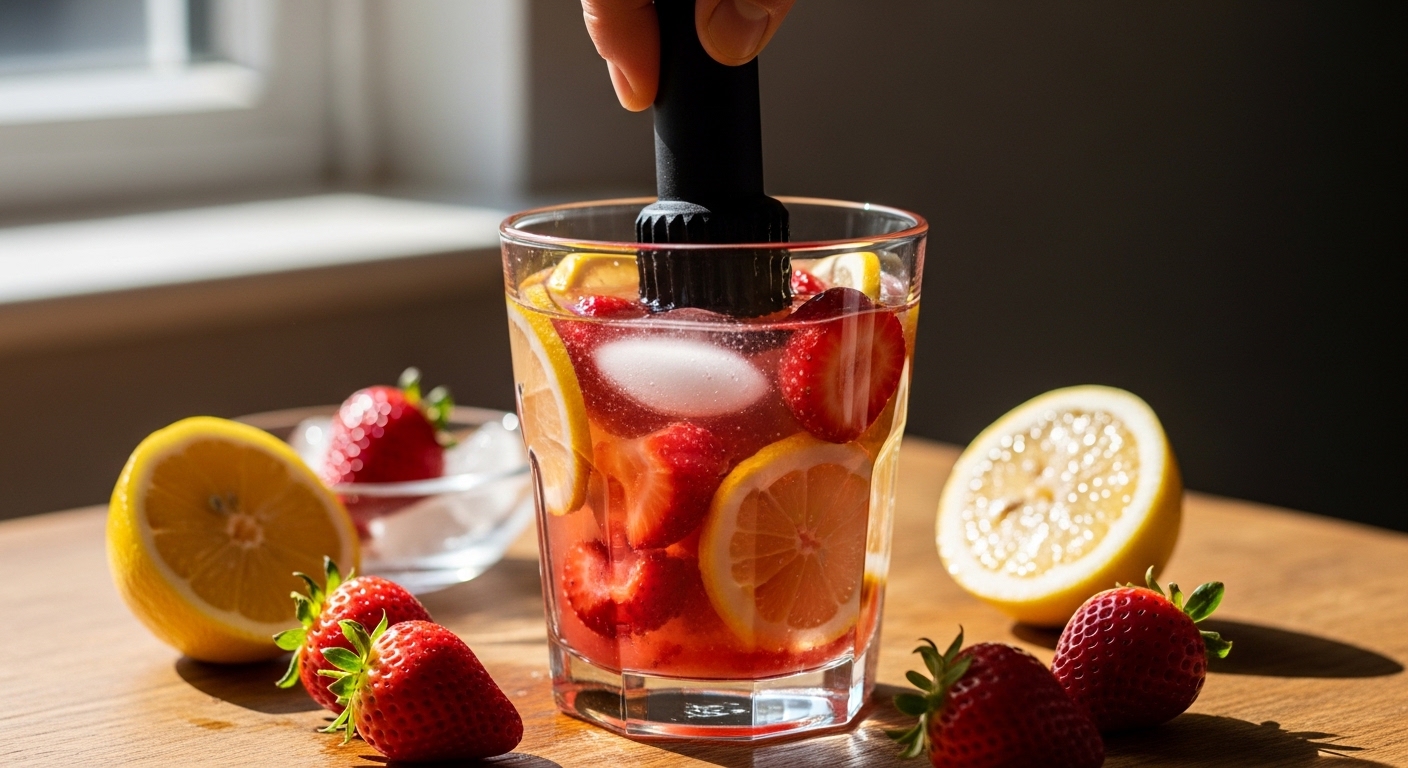
how to make strawberry lemonade without a blender is kinda the thing you start searching when you already halfway into it, like you’ve got strawberries on the counter, lemons rolling around, and then boom—you realize your blender is either broken or just nowhere to be found. It happens more often than people admit, honestly a bit annoying but also strangely fixable with stuff already in your kitchen. You don’t really need fancy equipment, just a little patience and some old-school mashing vibes.
You’ll probably feel like it should be harder than it actually is, but nope, it’s one of those recipes where simple tools kinda win the day. And yeah, it tastes just as fresh, sometimes even better because you control the texture more closely.
Why you might want strawberry lemonade without a blender
There’s a weird charm in making drinks the “manual way,” even if it sounds slightly outdated. Maybe your blender gave up mid-summer heatwave, or you’re somewhere like a dorm or small kitchen with barely any appliances. Or maybe you just don’t want extra washing up, which is honestly the most relatable reason.
Another thing is texture control. When you don’t blend strawberries fully into a purée, you get this rustic, pulpy lemonade that feels more homemade. Some people actually prefer it that way, though they don’t always say it out loud.
Also, lemons and strawberries are both super forgiving ingredients. According to the USDA FoodData Central database, strawberries contain about 58.8 mg of vitamin C per 100 grams, which is almost a full daily boost in a small serving. That’s kinda wild when you think about it, because it makes your drink not just tasty but also a bit functional.
Ingredients for strawberry lemonade without a blender
You don’t need anything fancy here, just basic kitchen stuff. The trick is balance more than complexity.
Core ingredients list
- Fresh strawberries (about 10–12 medium ones)
- 3–4 fresh lemons
- 4–6 tablespoons sugar or honey (adjust to taste)
- 4 cups cold water
- Ice cubes (optional but honestly recommended)
- Pinch of salt (weird but it lifts flavor slightly)
Ingredient breakdown table
| Ingredient | Purpose | Notes |
|---|---|---|
| Strawberries | Flavor + sweetness | Ripe ones mash easier |
| Lemons | Sour base | Fresh juice works best |
| Sugar/Honey | Balancing acidity | Honey gives deeper taste |
| Water | Dilution | Cold or chilled preferred |
| Salt | Flavor enhancer | Tiny pinch only |
It looks simple, but don’t underestimate how much difference ripe fruit makes. Slightly overripe strawberries are actually better here, even if they look a bit soft and awkward.
Step-by-step method to make strawberry lemonade without a blender
This is where it gets kinda hands-on, but not in a difficult way.
Step 1: Prep the strawberries
Wash them properly first, then remove the green tops. Now comes the slightly messy part—you mash them. You can use:
- A fork (most common)
- A potato masher
- The back of a spoon
You’re not trying to make a smoothie-level puree, just breaking them down enough to release juice. Leave a few chunks if you like texture.
Step 2: Extract lemon juice
Roll lemons on the counter first, it helps release juice. Then cut and squeeze. If you’ve got a strainer, use it to catch seeds, otherwise just be careful. Fresh lemon juice is non-negotiable here, bottled stuff tastes kinda flat.
Step 3: Combine and dissolve
In a large jug, mix mashed strawberries, lemon juice, and sugar. Stir it well until sugar dissolves. This might take a minute or two, don’t rush it too much or you’ll get grainy bits later.
Step 4: Add water
Pour in cold water slowly while stirring. Taste it at this stage. You might need more sugar or lemon depending on your preference. Some people like it super tart, others prefer sweeter tones.
Step 5: Chill and strain (optional)
If you want smoother lemonade, strain it through a sieve. If not, just leave it rustic. Chill in fridge for 30–60 minutes so flavors settle.
Tips for making better strawberry lemonade without a blender
There are small tricks that make a big difference, even if nobody tells you.
- Use room-temperature strawberries before mashing, they break easier
- Don’t skip the salt pinch, it subtly reduces bitterness
- Let the mixture rest before serving, flavors “marry” a bit
- Adjust sweetness after chilling, not before
- Use glass containers if possible, they keep flavor cleaner
One thing I noticed personally (bit subjective but still true for many) is that overly cold water right away can mute the strawberry aroma a little, so chilling after mixing is better than using ice immediately.
Variations you can try
Once you know the base method, you can play around with it a lot.
Mint strawberry lemonade
Add crushed mint leaves while mixing. It gives a cooling effect, kinda refreshing in hot weather.
Sparkling version
Replace half the water with soda water. It turns into a fizzy homemade soda-style drink.
Honey-based version
Swap sugar for honey. It makes the drink slightly heavier but richer in flavor.
Ginger twist
Add a tiny bit of grated ginger. It creates a spicy edge that feels more “adult” in taste, if that makes sense.
Nutritional overview (what’s actually in your glass)
Strawberry lemonade isn’t just sugar water with fruit vibes. It actually carries some real nutritional value.
According to the USDA, lemons provide about 30–40 mg of vitamin C per fruit depending on size, while strawberries are even richer. Vitamin C supports immune function and helps with iron absorption.
A general breakdown per serving (approximate homemade version):
| Component | Benefit |
|---|---|
| Vitamin C | Immune support |
| Natural sugars | Quick energy |
| Antioxidants | Cell protection (from strawberries) |
| Hydration | Water content keeps you refreshed |
Harvard T.H. Chan School of Public Health notes, “Fruits are rich in vitamins, minerals, and fiber that support overall health.” That’s especially relevant here because even though this is a drink, it still carries some fruit-based nutrition.
Still, don’t forget sugar content—homemade lemonade can easily go high if you’re not careful with sweeteners.
Common mistakes people make
This is where things usually go slightly wrong, not dramatically but enough to notice.
- Using underripe strawberries (they taste sour and dull)
- Over-sugaring before tasting
- Skipping stirring after adding water
- Not straining when smooth texture is wanted
- Using old lemons with weak juice
One funny thing is people sometimes expect it to taste like store-bought lemonade, but homemade versions always have a slightly uneven flavor profile. That’s not a flaw, more like character honestly.
Serving ideas and storage
Serve it cold, obviously, but there are small ways to elevate it without much effort.
- Add ice cubes made from strawberry juice (nice touch)
- Garnish with lemon slices or strawberry halves
- Serve in mason jars for that rustic feel
- Pair with light snacks like biscuits or salty crackers
For storage, keep it in the fridge for up to 2 days. After that, the strawberries start losing brightness and the drink tastes a bit muted. Shake or stir before serving again because separation is normal.
If you’re planning ahead for a party, you can prep the strawberry mash and lemon juice separately, then combine with water just before serving. That keeps flavor fresher, slightly more professional even if you’re just at home.
Final thoughts
Making strawberry lemonade without a blender feels like one of those things you think will be complicated until you actually try it. Then it turns into a kind of relaxed kitchen moment where you realize tools don’t matter as much as technique and patience.
It’s not perfectly smooth, it’s not overly processed, and yeah sometimes it looks a bit uneven in color—but that’s kinda the charm. And once you get used to it, you might even prefer it over blended versions, weirdly enough.

Jamesmathew is an expert Amazon affiliate writer, helping readers discover top products, smart deals, and practical buying guides through honest reviews and insightful content.